Pakistan
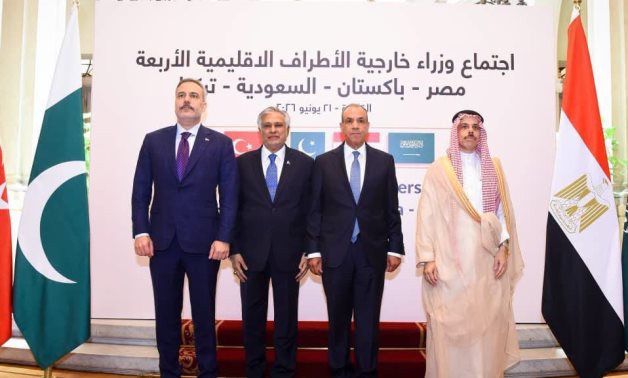
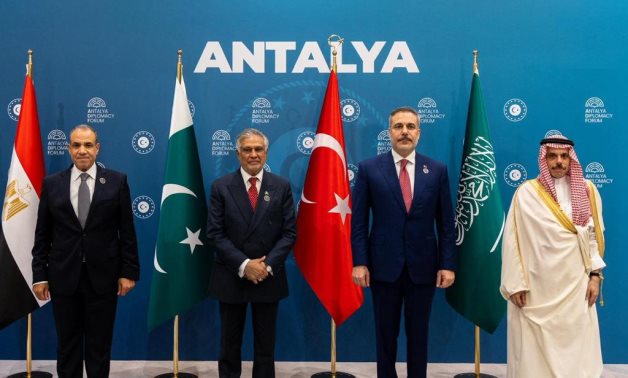
The regional Quartet comprising Egypt, Saudi Arabia, Pakistan, and Turkey stands as a collaborative consultative platform dedicated to enhancing Middle East security and lowering escalations, Egyptian Foreign Minister Badr Abdelatty said.
They stressed that these efforts should take into account the concerns of countries in the region, particularly regarding the security and stability of the Gulf Arab states and Arab Mashriq, with a view to strengthening collective security and promoting long-term regional stability.
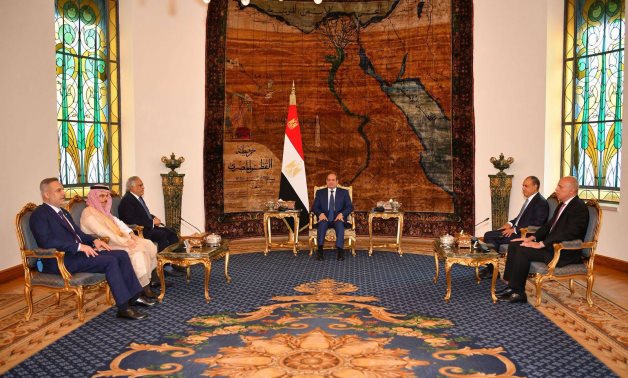
President Abdel Fattah El-Sisi made the remarks during a meeting with the foreign ministers of these countries, who met in Cairo for the fourth meeting of the quadrilateral grouping to discuss regional crises, according to the Presidency.
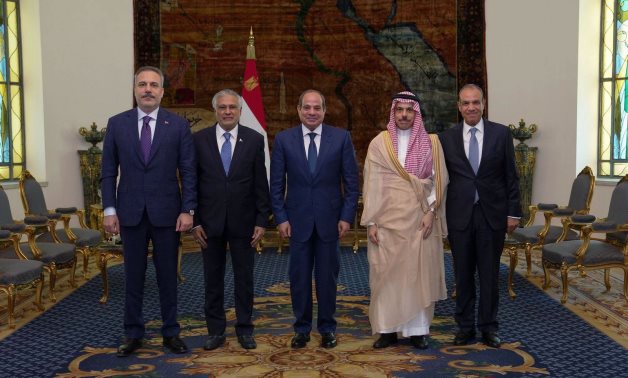
President Abdel Fattah El-Sisi said that Egypt would continue working with Saudi Arabia, Pakistan, Türkiye and other Arab and regional states to support implementation of the US-Iran memorandum of understanding (MoU).
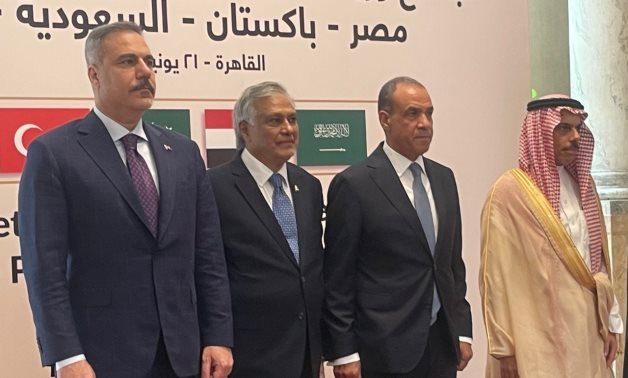
The quadrilateral meeting is being held in Cairo, coincidencing with a round of diplomatic talks and quadrilateral negotiations (involving the United States, Iran, Qatar, and Pakistan) in Switzerland’s Bürgenstock to discuss the mechanism of implementing the MoU.
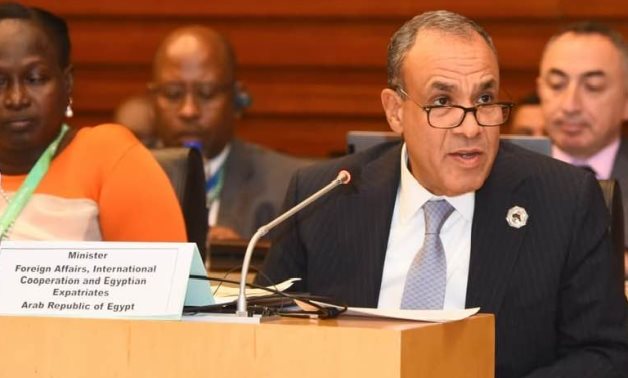
An extended meeting between the four foreign ministers will follow, according to a statement released by the Egyptian Foreign Ministry on Friday.
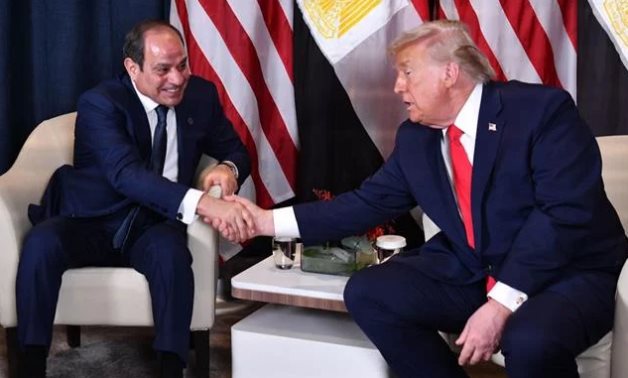
Minister Abdelatty stressed the importance of the step in easing regional tensions and preventing further escalation.
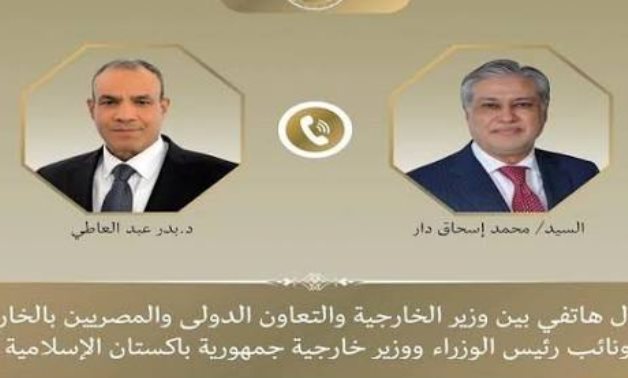
Foreign Minister Badr Abdelatty discussed the latest developments in the US-Iran talks with Pakistani Foreign Minister Ishaq Dar and Iranian Foreign Minister Abbas Araghchi via phone on Friday.
The talks centered on the ongoing crisis regarding Iran. Minister Abdelatty welcomed US President Donald Trump’s decision to cancel planned military strikes against Iran, expressing hope that all parties would seize this opening to resolve outstanding disputes through peaceful dialogue.
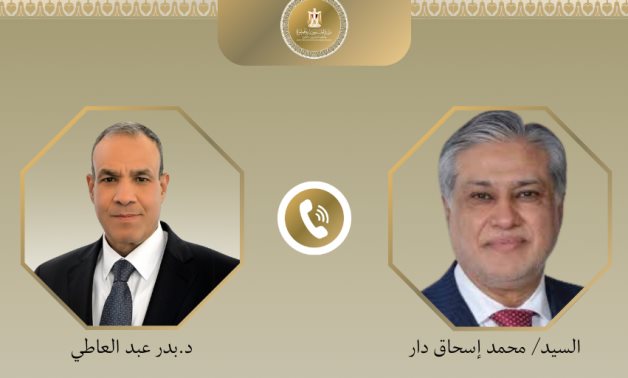
Minister of Foreign Affairs Badr Abdelatty received a Monday phone call from his Pakistani counterpart Ishaq Dar and Deputy Prime Minister to discuss regional stability and ongoing negotiations between the U.S. and Iran.
Minister of Foreign Affairs Badr Abdelatty discussed regional de-escalation and bilateral ties with his Pakistani counterpart Mohammad Ishaq Dar during a Sunday phone call.
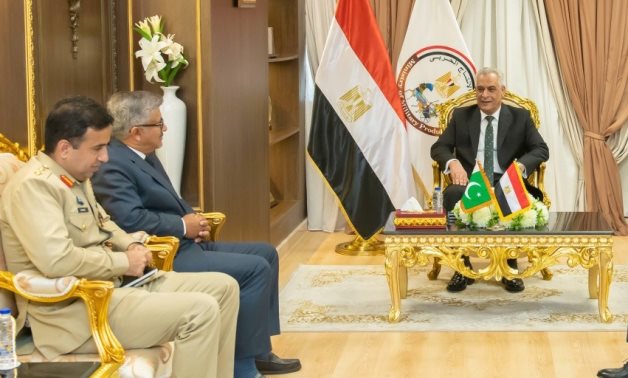
The meeting included discussions on several areas of mutual interest, particularly opportunities for exchanging expertise, transferring technology, and strengthening industrial partnerships between Egyptian military production companies and Pakistani firms operating in the defense industries sector.
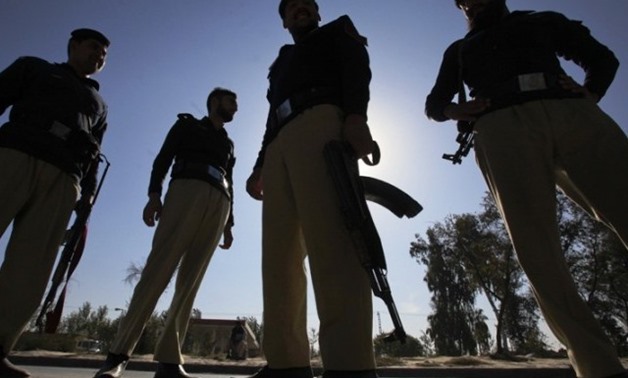
Egypt condemned a terrorist attack targeting Pakistani police personnel in the city of Bannu, Khyber Pakhtunkhwa province, which left several dead and injured.
Egypt’s Foreign Minister Badr Abdelatty held separate phone calls on Monday with the foreign ministers of Saudi Arabia, Qatar, Bahrain, Pakistan, Iran, and Turkey to discuss efforts to halt regional escalation and support negotiations.
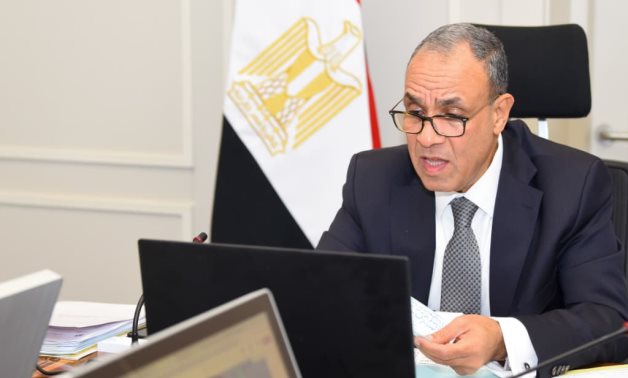
Egypt’s Minister of Foreign Affairs, Badr Abdelatty, held a series of telephone calls with regional and international counterparts as part of ongoing coordination efforts to contain rising tensions in the region and support diplomatic solutions.
Minister of Foreign Affairs Badr Abdelatty held phone calls on Monday with his counterparts in Oman, Pakistan, and Turkey to discuss regional developments and efforts to contain escalating tensions.
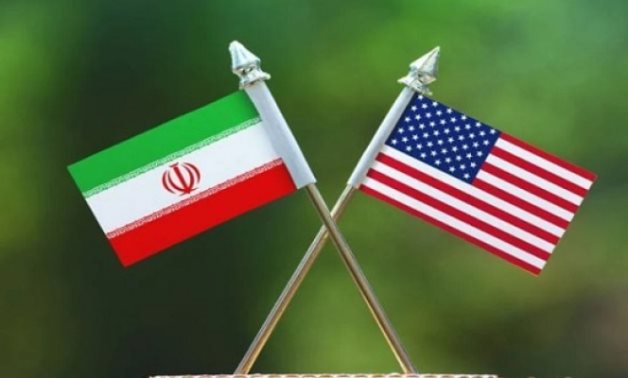
Iranian Foreign Ministry spokesman Esmail Baghaei stated on Monday that while Tehran has submitted a 10-point proposal to Pakistan, there are clear indications that the United States lacks the seriousness required to pursue a diplomatic track.
During a phone call on Sunday between Egyptian Foreign Minister Badr Abdelatty and Pakistan’s Deputy Prime Minister and Foreign Minister Mohammad Ishaq Dar, both sides stressed that negotiation and dialogue remain the only viable path to resolving the ongoing crisis.
The ministers also exchanged assessments of the war’s significant economic repercussions on the global economy. Discussions covered mitigating impacts on international shipping, supply chains, food and energy security, and oil prices, as well as strategies to address these challenges.
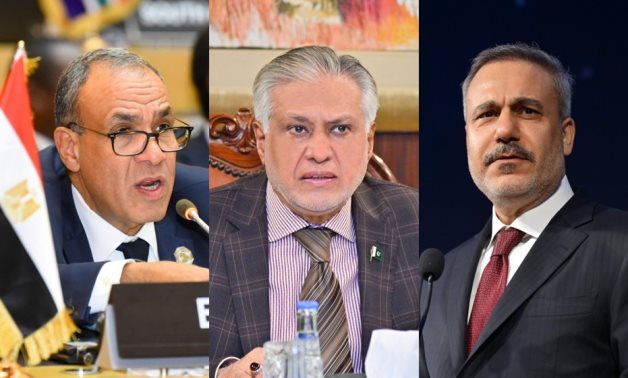
Foreign Minister Badr Abdelatty discussed the issue in separate phone calls with his Turkish counterpart, Hakan Fidan, and Pakistan’s Foreign Minister Mohammad Ishaq Dar, whose country is mediating the talks.