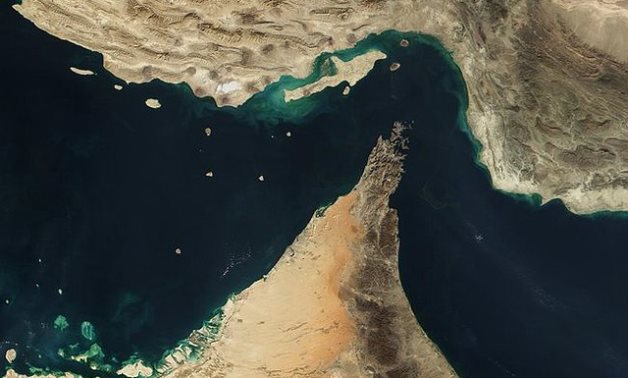
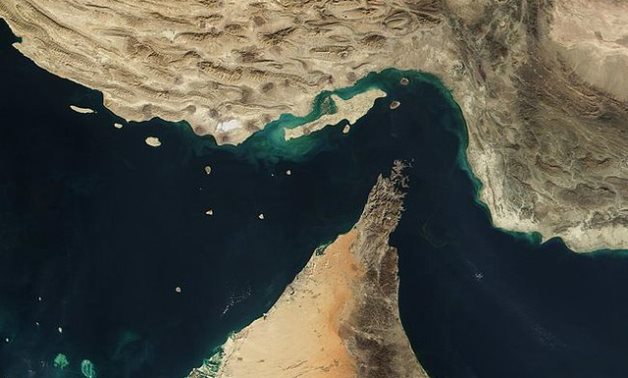
Strait of Hormuz
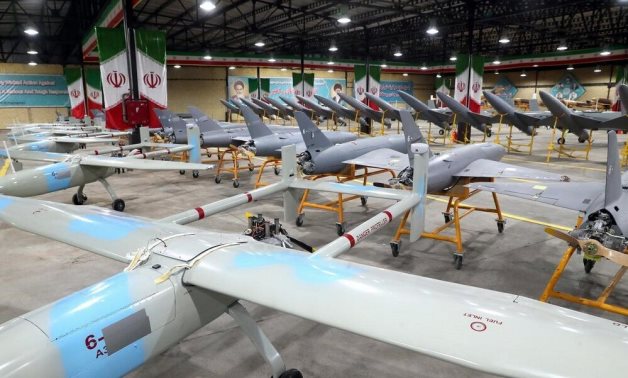
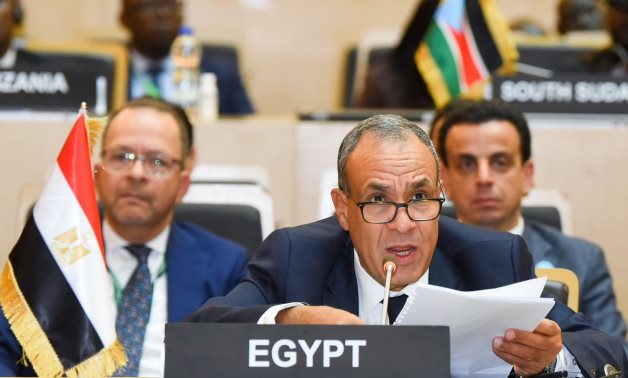
Egypt condemned the Iranian attacks on Kuwait, Bahrain and Jordan, all of which host significant American military forces, calling them a “grave escalation.”
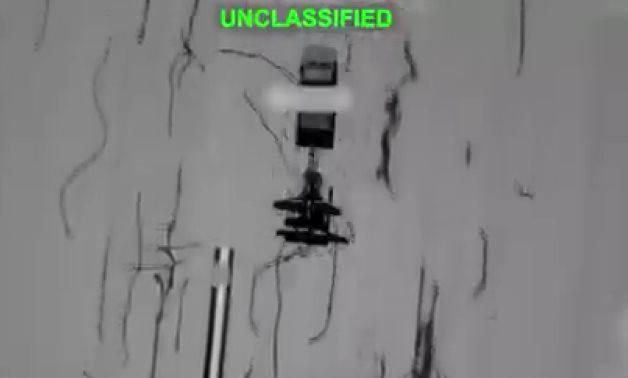
The Iranian attacks have prompted Bahrain and Kuwait to activate their air defenses as a fifth day of renewed hostilities further strained a preliminary Washington-Tehran agreement aimed at ending the war.

Omani Foreign Minister Badr bin Hamad Al Busaidi has revealed that complex discussions are currently underway to formulate a long-term arrangement guaranteeing freedom of navigation through the Strait of Hormuz.
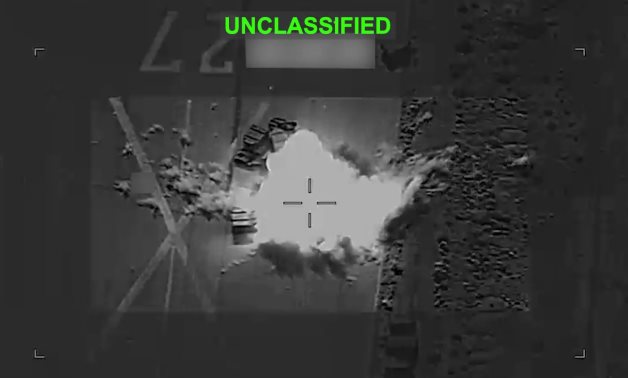
Iran suspended this rail service early on Thursday, according to Iranian state television, after US strikes reportedly targeted railway infrastructure in a new round of military operations against the Middle Eastern country.
Egypt strongly condemned Iran's targeting of a Saudi tanker as it transited the Strait of Hormuz, describing the incident as a violation of international law and a threat to the security and safety of international navigation.
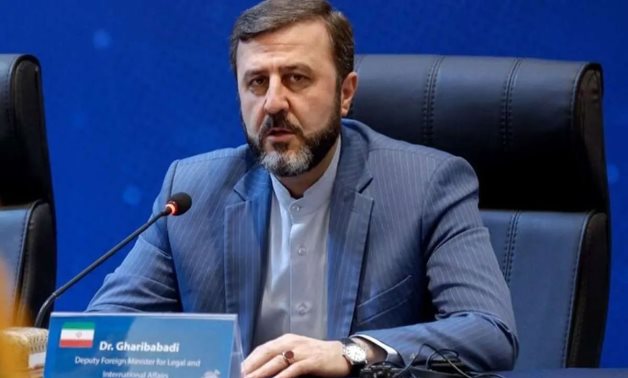
Kazem Gharibabadi, Iran's deputy foreign minister for legal and international affairs, said security in the Strait of Hormuz should remain the responsibility of the coastal states.
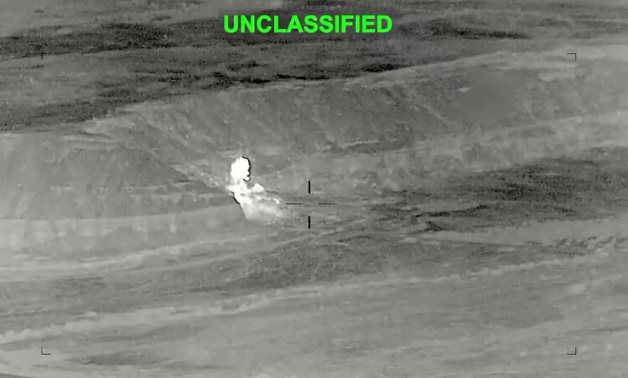
Bahrain and Kuwait, two Gulf countries which host major American military facilities, announced intercepting hostile projectiles overnight, shortly after the United States hit several Iranian targets in response to an attack on a tanker in the Strait of Hormuz.
President Donald Trump warned on Sunday that Iran "will no longer exist" if the United States is forced to resume military action, after a fresh round of hostilities tested a fragile ceasefire between the two countries.
The Khatam Al-Anbiya command described the move as an initial response to what it called breaches of commitments under the ceasefire with regard to Lebanon.
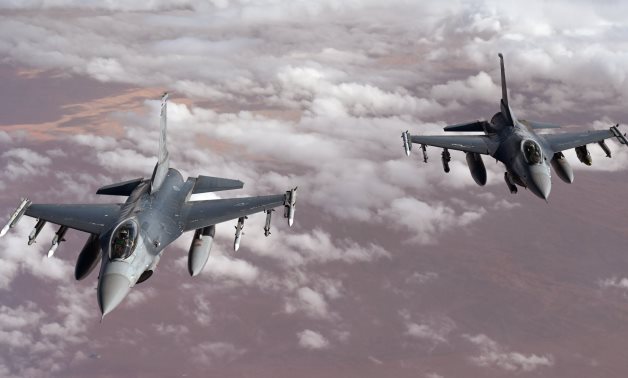
The incident strains the fragile US-Iran ceasefire that has largely curbed hostilities started by the US and Israel against the Persian nation on February 28.
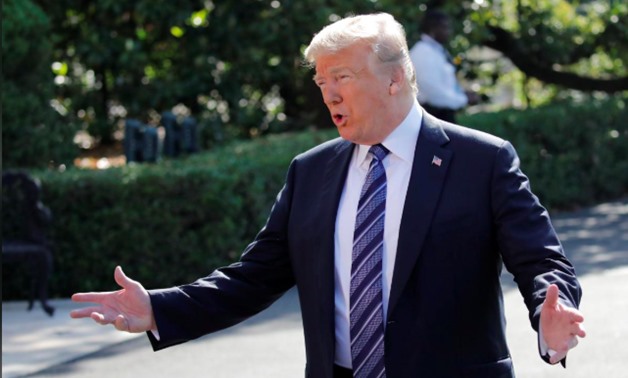
U.S. President Donald Trump said ongoing negotiations with Iran have made significant progress, emphasizing that the core of any potential agreement is ensuring that Tehran does not acquire a nuclear weapon.
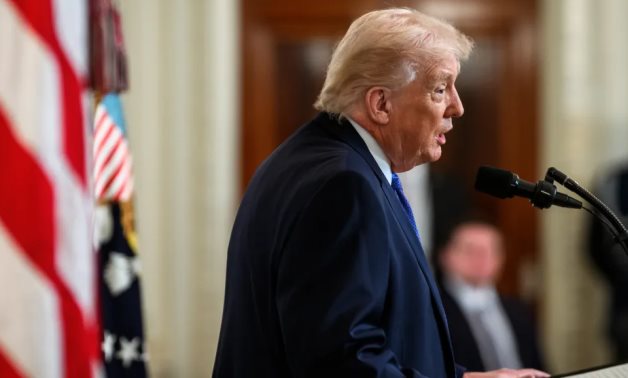
A US administration official said Trump is seeking stronger provisions on Iran's nuclear program, including how and when the US gets the material, before approving the proposed deal.
US President Donald Trump said on Friday that ceasefire negotiations between Washington and Tehran are still ongoing, despite the recent exchange of fire between the two sides.
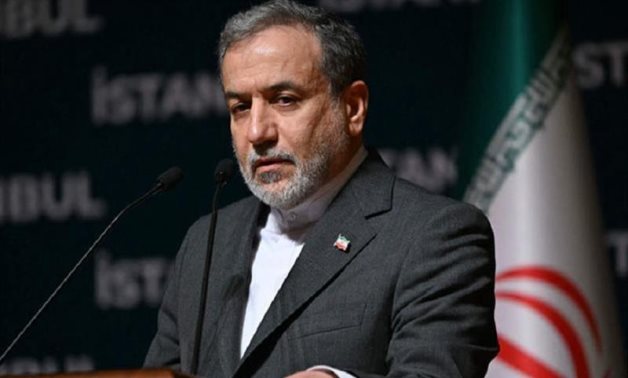
Iranian Foreign Minister Abbas Araqchi stated that navigation in the Strait of Hormuz will only return to normal if the war ends permanently, along with the lifting of what he described as the naval blockade and sanctions imposed on his country.
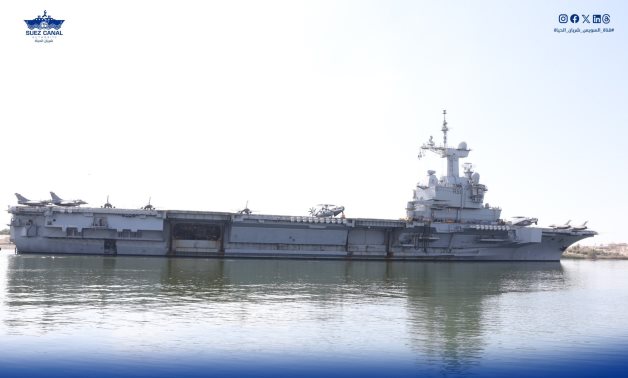
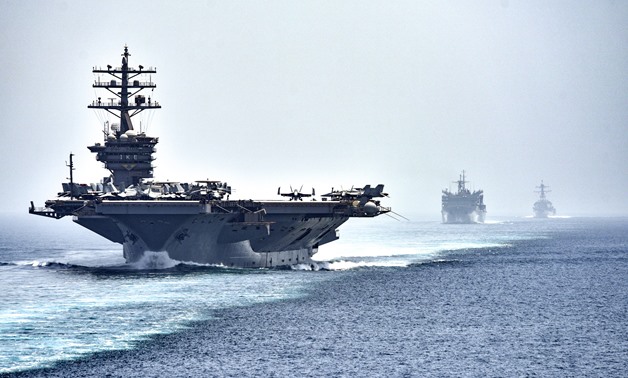
The carrier is heading to the Red Sea and the Gulf of Aden as part of a multinational initiative aimed at restoring navigation in the Strait of Hormuz, according to a statement by the French Ministry of the Armed Forces.
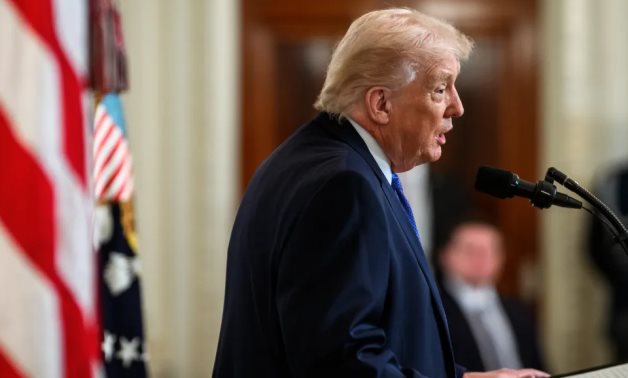
Meanwhile, Trump suggested that a deal would lead to reopening the Strait of Hormuz to all shipping.
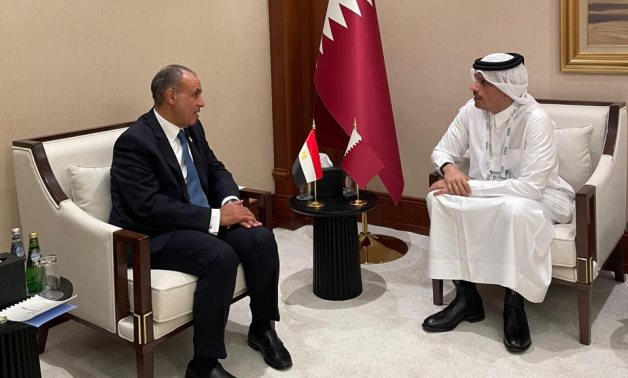
Foreign Minister Badr Abdelatty made the remarks during a phone call on Wednesday with Qatar’s Prime Minister and Foreign Minister Sheikh Mohammed bin Abdulrahman bin Jassim Al-Thani.
He said the operation will be suspended “for a short period of time” to see “whether or not the Agreement can be finalized and signed” with Iran.
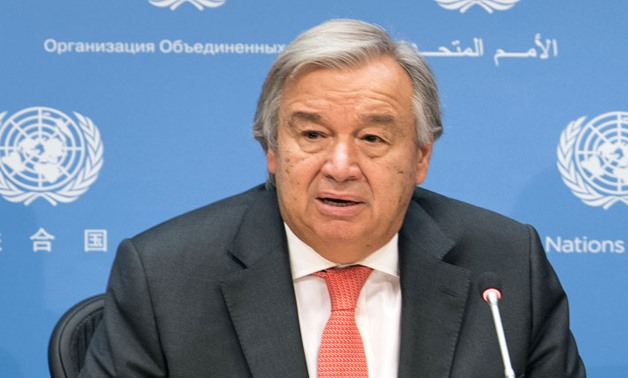
UN Secretary-General António Guterres has expressed deep concern regarding recent restrictions on the freedom of navigation in the Strait of Hormuz, highlighting the potential for severe disruptions to the flow of oil, gas, and other vital commodities essential to global trade.
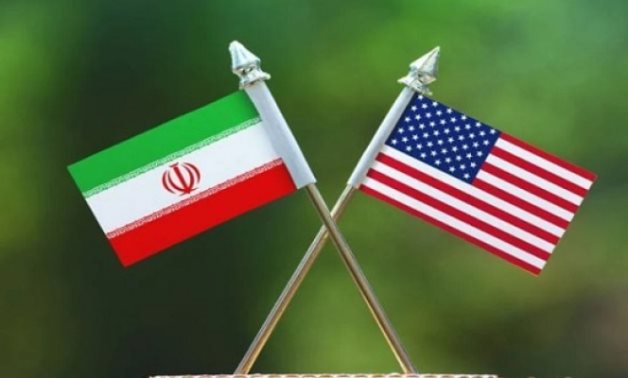
Iran has presented a new proposal to the United States through Pakistani intermediaries in an attempt to revive diplomatic understandings between the two countries, Axios reported, citing U.S. official sources.