Regional War
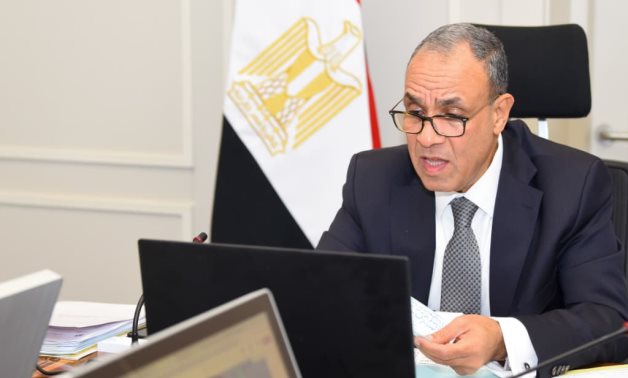
Egypt’s Minister of Foreign Affairs, Badr Abdelatty, held a series of telephone calls with regional and international counterparts as part of ongoing coordination efforts to contain rising tensions in the region and support diplomatic solutions.

The Kuwait Army announced on Friday that two locations at the northern land border posts of Kuwait were targeted in a cowardly attack by two explosive-laden drones, guided by fiber optic cables, launched from the Republic of Iraq.
The ministers also exchanged assessments of the war’s significant economic repercussions on the global economy. Discussions covered mitigating impacts on international shipping, supply chains, food and energy security, and oil prices, as well as strategies to address these challenges.

Deputy Minister of Foreign Affairs for International Cooperation and Egyptians Abroad Nabil Habash met with Egyptian Community in Iraq, as part of the efforts to monitor the conditions of Egyptian communities in Gulf States amid the ongoing regional war.
In a statement late on Saturday, the Ministry of Electricity and Renewable Energy said the hikes “are limited to higher consumption brackets, which include more affluent groups.”
“What is happening is not only in Egypt. The entire world has been under immense pressure regarding energy, fuel, and the economy in recent times,” the report stated.
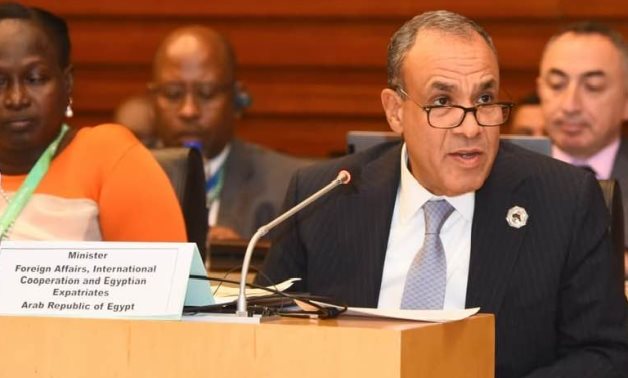
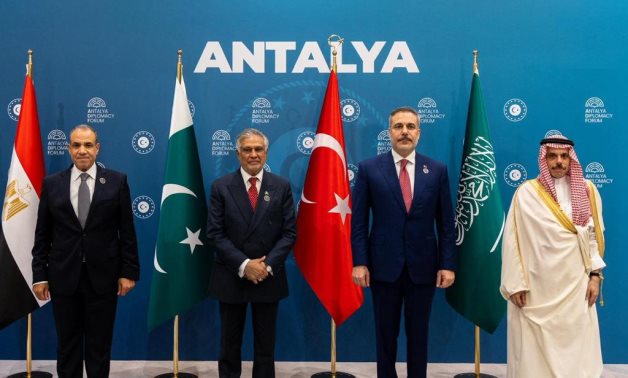
Minister Abdelatty reviewed the outcomes of the Islamabad meetings within the framework of the Egyptian-Saudi-Turkish-Pakistani quadrilateral initiative aimed at halting the escalation and preventing the conflict from spreading. He also discussed the details of the mediation efforts undertaken by Egypt, in cooperation with Turkey and Pakistan, to launch direct negotiations between Iran and the United States. These efforts aim to contain the current military conflict, reduce tensions, prioritize diplomacy, and promote dialogue as the only way to prevent the region from descending into widespread chaos.
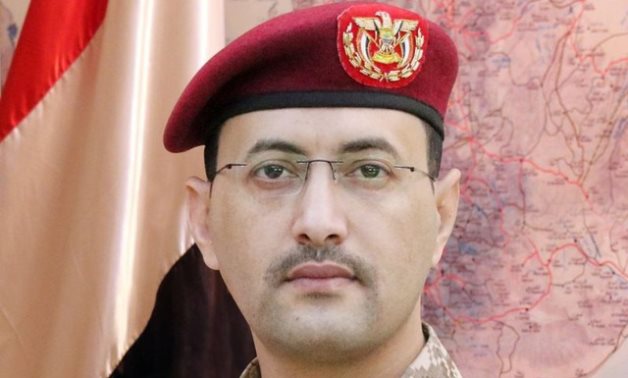
“We affirm that our military operations target the Israeli and American enemy to thwart the Zionist scheme and do not target any Muslim people,” he added.

On water security, Abdelatty reiterated Egypt’s appreciation for the message sent by President Donald Trump to President Abdel Fattah El-Sisi and his efforts on this issue. He emphasized that the Nile River is the lifeline of the Egyptian people, who already face severe water scarcity, making water security an existential issue for Egypt.

The visit is expected to include discussions on ways to de-escalate tensions, prioritize the diplomatic track, and coordinate Arab efforts, reflecting the shared destiny and intertwined interests that unite Egypt and Jordan, the statement said.
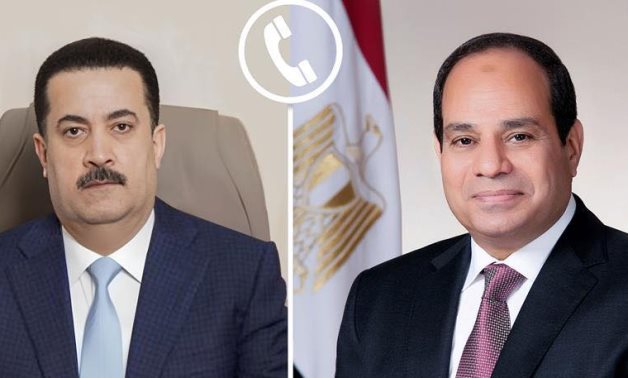
President El-Sisi and the Iraqi Prime Minister also discussed ways to strengthen joint Arab coordination to ensure the protection of Arab nations' security, the preservation of their sovereignty, and the confrontation of various challenges.

During phone calls on Sunday with Qatar’s Amir Sheikh Tamim bin Hamad Al Thani and UAE President Sheikh Mohamed bin Zayed Al Nahyan, El-Sisi reaffirmed Egypt’s condemnation of Iranian attacks on Gulf states.
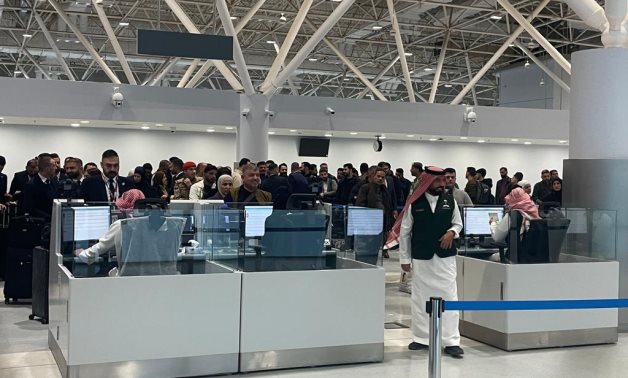
The Ministry added that the crisis cell, in coordination with relevant government agencies in Saudi Arabia and Egypt as well as the Iraqi diplomatic missions abroad, helped to bring those citizens home via the Arar border crossing between Iraq and Saudi Arabia.
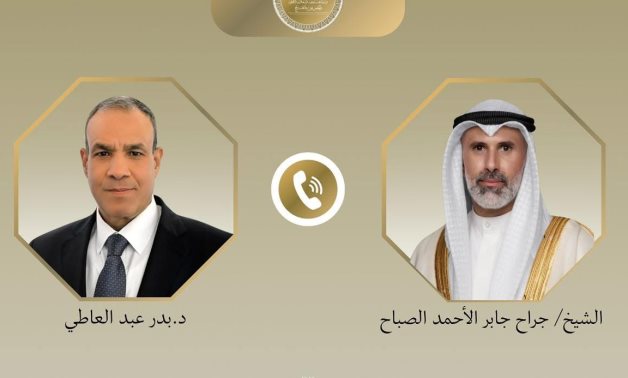
Minister Abdelatty affirmed Egypt's full support and solidarity with Kuwait in confronting the current regional challenges and the unacceptable attacks targeting the Gulf states. He emphasized Egypt's unequivocal condemnation of any attacks targeting the security and stability of the Arab Gulf states.

The Ministry coordinated with agricultural quarantine authorities in the UAE, Qatar, Kuwait, and Bahrain. The Central Administration for Agricultural Quarantine indicated growing demand from some Arab markets for several Egyptian agricultural crops, including peppers, lettuce, and lemons.
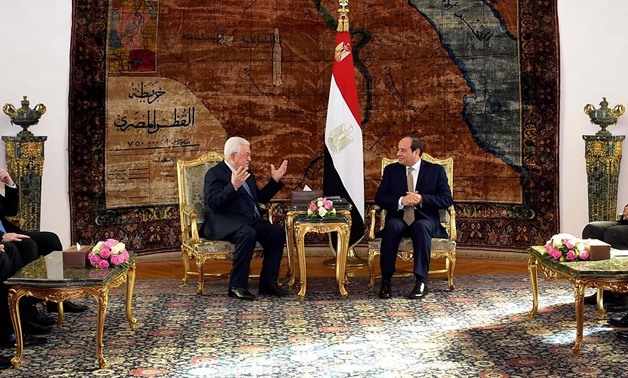
President Sisi and Abbas also warned of the potential repercussions of war on the region, especially its humanitarian impact on the Gaza Strip, as well as the associated economic consequences.
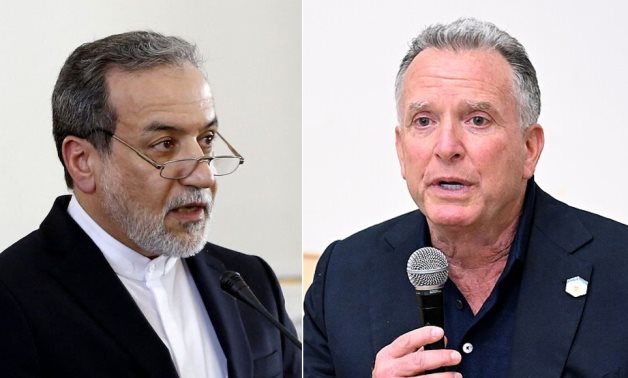
Foreign Minister Badr Abdelatty made the remarks during recent talks with the foreign ministers of Qatar, Oman and Iran as well as US Special Envoy for the Middle East Steve Witkoff.

