US Iran Deal
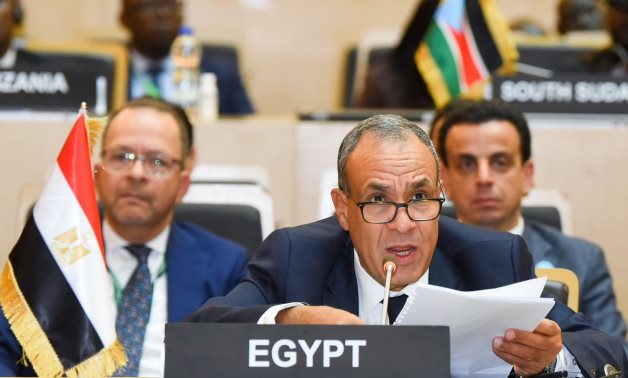
Abdelatty underscored the importance of redirecting international efforts to the Palestinian cause in a way that would help complete the full implementation of the first phase of the US president's peace plan and pave the way for moving to the second phase.
Bahrain and Kuwait, two Gulf countries which host major American military facilities, announced intercepting hostile projectiles overnight, shortly after the United States hit several Iranian targets in response to an attack on a tanker in the Strait of Hormuz.
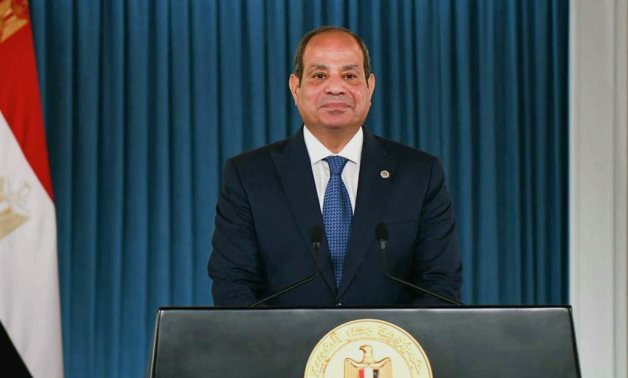
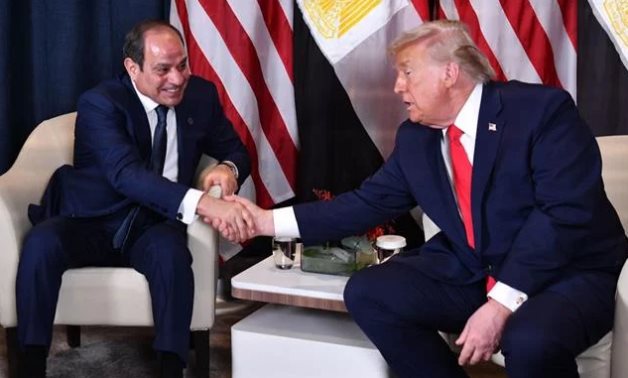
The Egyptian Presidency underscored the “critical importance” of the agreement signed by Trump and Pezeshkian in reducing tensions, preventing further escalation and restoring security and stability across the Middle East.
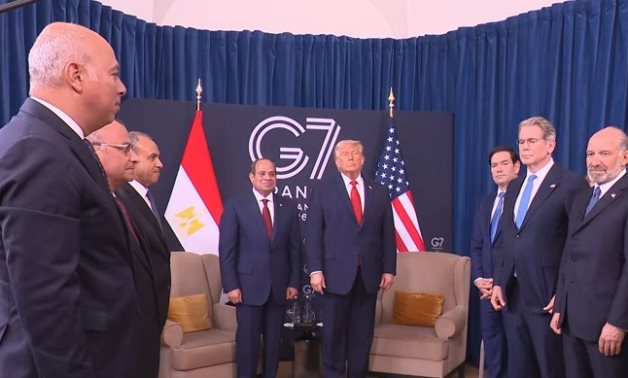
The remarks came during talks between the two leaders on the sidelines of the Group of Seven (G7) Summit in the French city of Évian, where discussions also touched on broader regional developments.
The fund consists entirely of private-sector funds and spans various investment fields, with more than half of the financing already committed, according to the source.
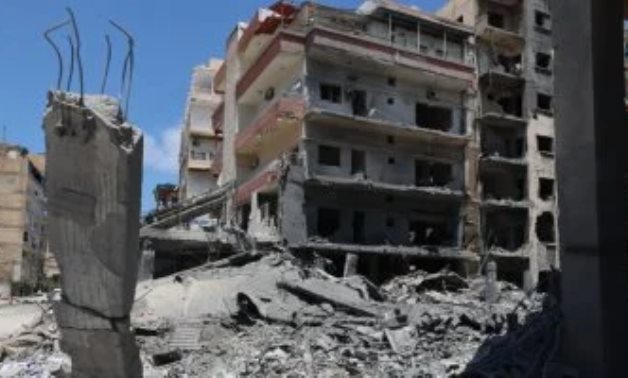
The strike came as the United States and Iran move closer to an agreement to extend a ceasefire that is reportedly expected to include Lebanon and pave the way for ending the war.
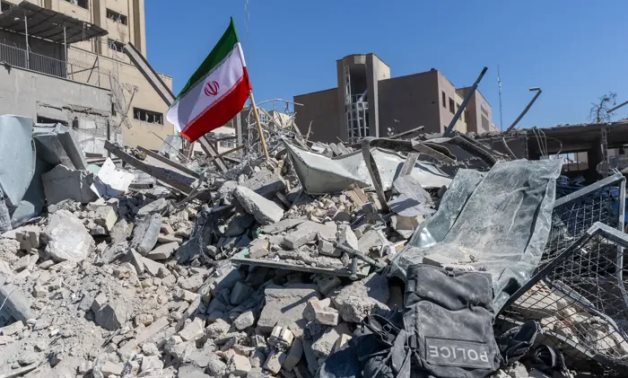
Iran did not confirm the day of the signing and Iranian foreign ministry spokesman Esmaeil Baghaei was quoted by state media as saying it will be “in the coming days” but “not tomorrow.”
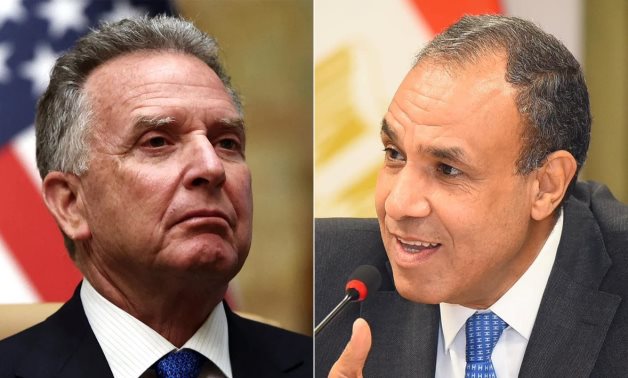
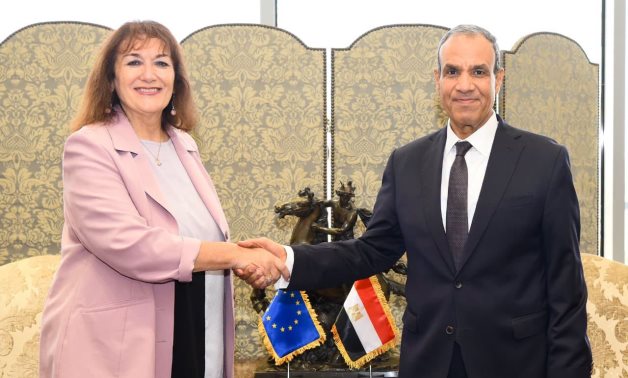
During a phone call on Saturday with US special envoy for the Middle East Steve Witkoff, Foreign Minister Badr Abdelatty stressed Egypt’s commitment to working with regional partners to help secure a final deal that addresses the concerns of all parties.
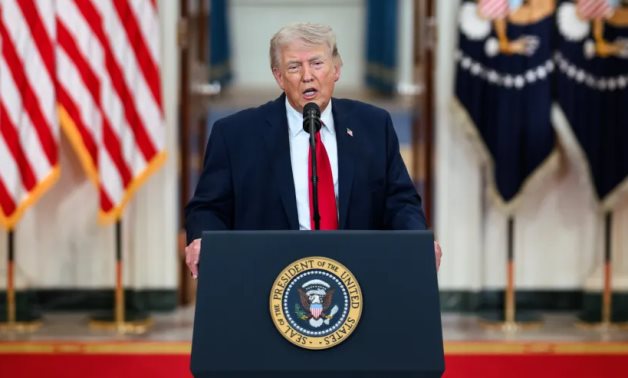
Trump described the agreement as establishing “A WALL TO NO NUCLEAR WEAPON,” claiming that Iran will not seek to acquire nuclear weapons through purchase, development, or any other means.
Foreign Minister Badr Abdelatty discussed the latest developments in the US-Iran talks with Pakistani Foreign Minister Ishaq Dar and Iranian Foreign Minister Abbas Araghchi via phone on Friday.
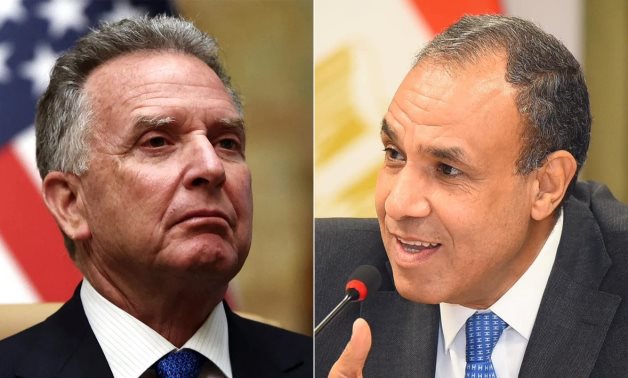
He underscored the importance of adhering to diplomatic efforts and prioritizing dialogue to safeguard the security and stability of regional states and their peoples.
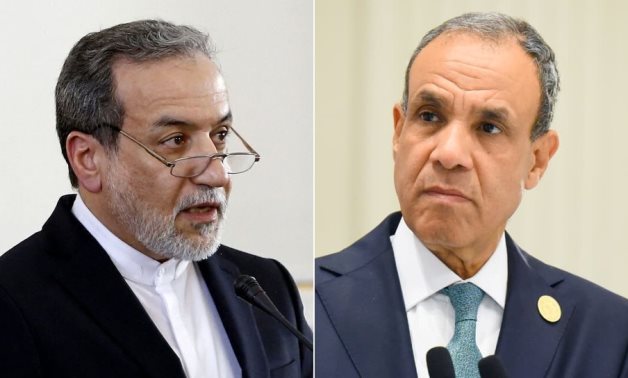
Egyptian Foreign Minister Badr Abdelatty, in a phone call with Iranian Foreign Minister Abbas Araghchi on Saturday, stressed the need to continue diplomatic efforts to secure a breakthrough in the talks.
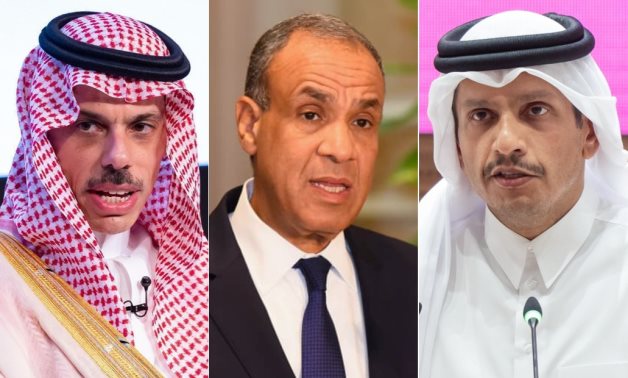
Foreign Minister Badr Abdelatty made the call during separate phone conversations with Qatari Prime Minister and Foreign Minister Mohammed bin Abdulrahman Al Thani and Saudi Foreign Minister Faisal bin Farhan Al Saud.
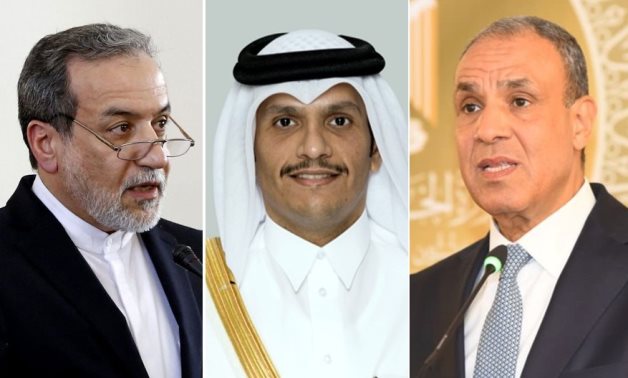
The foreign ministers consulted on the path of US-Iran negotiations and efforts to de-escalate regional tensions.
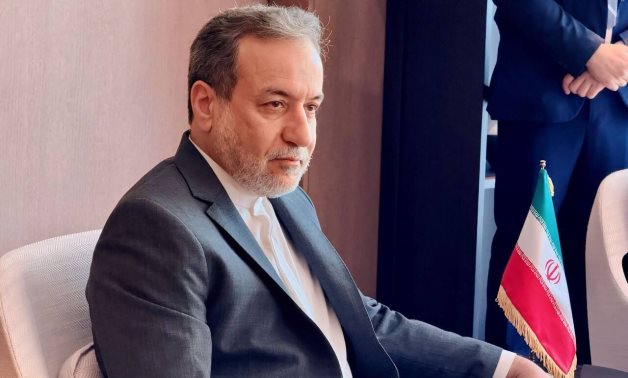
The planned visit comes while US President Donald Trump said he had canceled a scheduled trip by his envoys, Steve Witkoff and Jared Kushner, to Islamabad for talks with Iran.
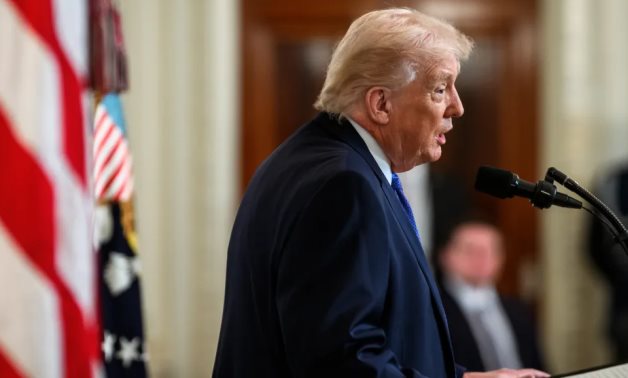
Trump said Washington is offering a “very fair and reasonable deal” as his representatives will be heading to the Pakistani capital, Islamabad, tomorrow evening, for negotiations.
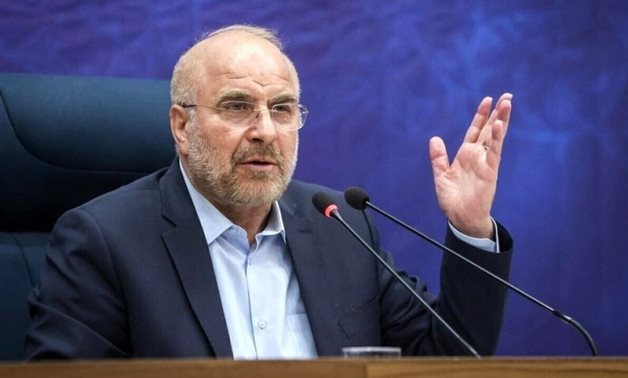
Ghalibaf said the negotiations had advanced but key gaps persist, noting that “several fundamental issues” remain unresolved.
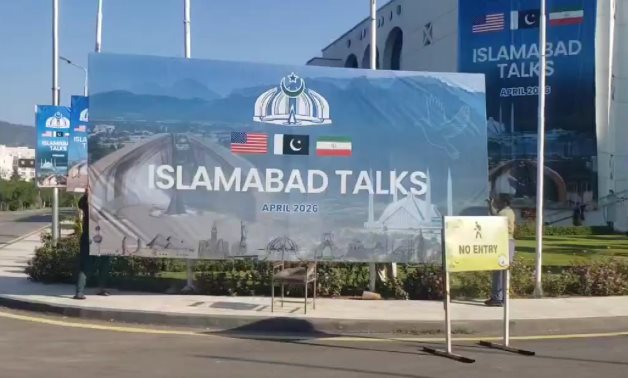
The two sides, with mediation from Pakistan, Egypt and Türkiye, have been working to narrow remaining differences in an effort to reach a deal before a ceasefire expires on 21 April.

Observations include the movement of air munitions and the completion of an air exercise.