US Iran Talks
Egypt condemned the Iranian attacks on Kuwait, Bahrain and Jordan, all of which host significant American military forces, calling them a “grave escalation.”
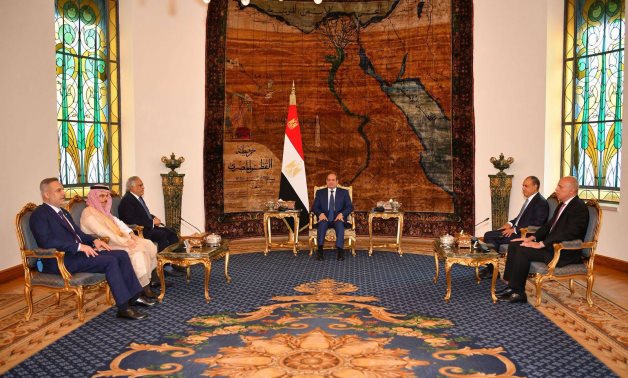
President Abdel Fattah El-Sisi made the remarks during a meeting with the foreign ministers of these countries, who met in Cairo for the fourth meeting of the quadrilateral grouping to discuss regional crises, according to the Presidency.
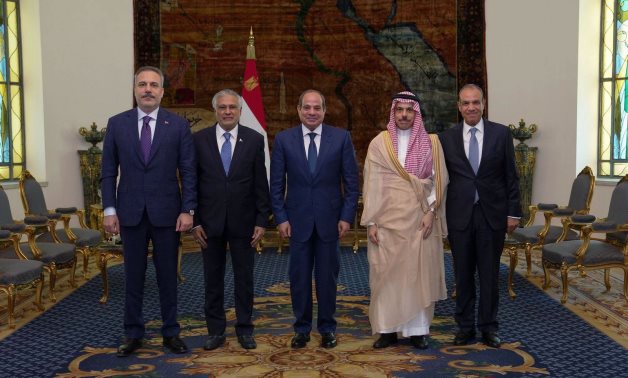
President Abdel Fattah El-Sisi said that Egypt would continue working with Saudi Arabia, Pakistan, Türkiye and other Arab and regional states to support implementation of the US-Iran memorandum of understanding (MoU).
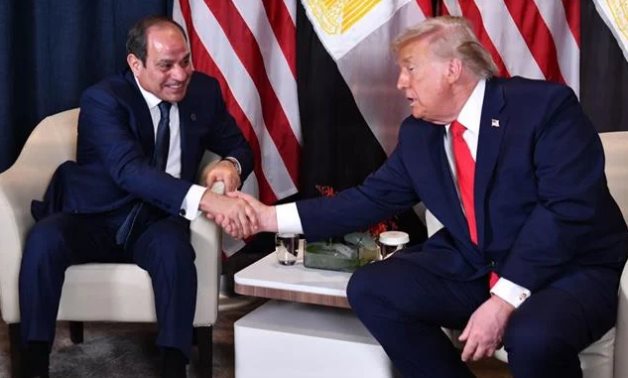
Trump is set to hold calls with Egypt’s President Abdel Fattah El-Sisi as well as the leaders of Saudi Arabia, Qatar, the UAE, Turkey and Pakistan, according to the official.
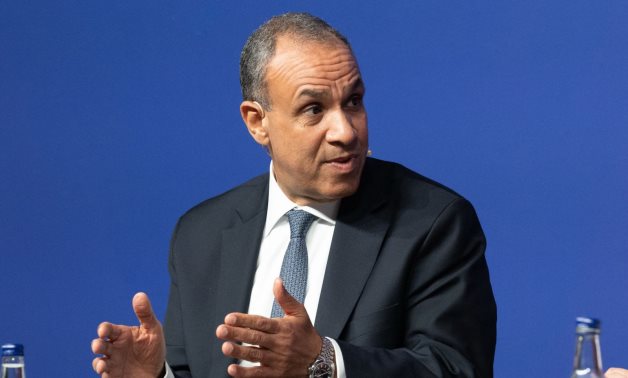
Abdelatty said “confidence-building measures” based on non-aggression would need to be taken.
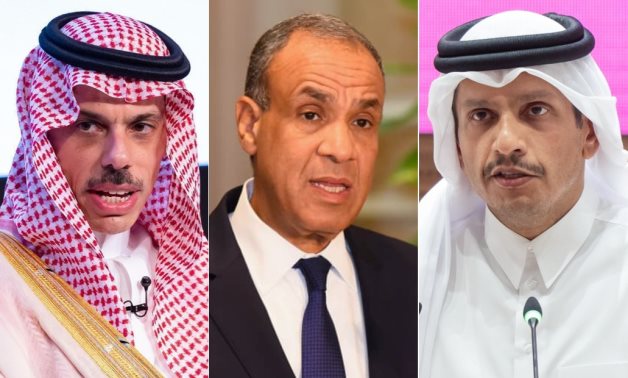
Foreign Minister Badr Abdelatty made the call during separate phone conversations with Qatari Prime Minister and Foreign Minister Mohammed bin Abdulrahman Al Thani and Saudi Foreign Minister Faisal bin Farhan Al Saud.
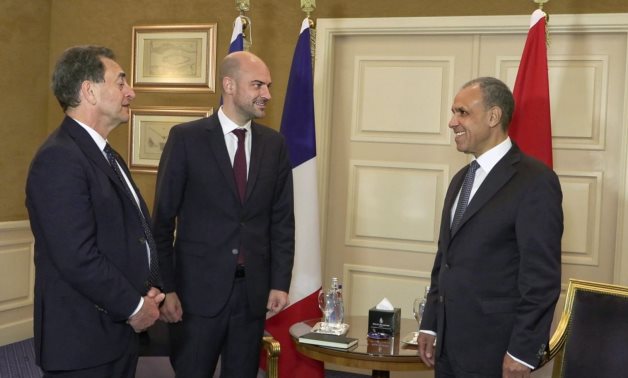
The foreign ministers reviewed developments in the negotiation track between Washington and Tehran as part of discussions on regional issues and ways to de-escalate tensions in the region.
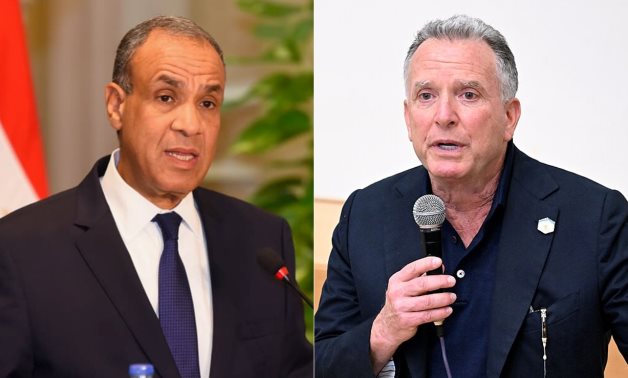
The foreign minister affirmed the need for reaching a political settlement away from the specter of war.
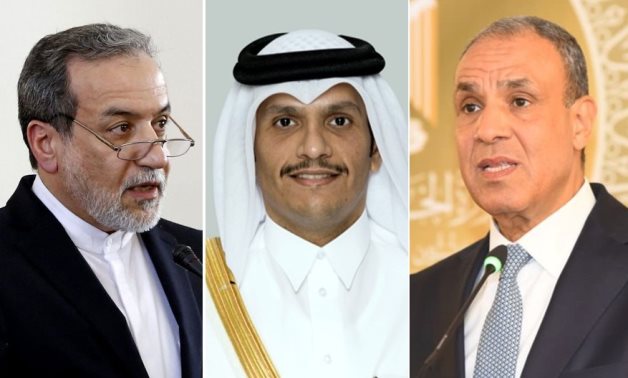
The foreign ministers consulted on the path of US-Iran negotiations and efforts to de-escalate regional tensions.
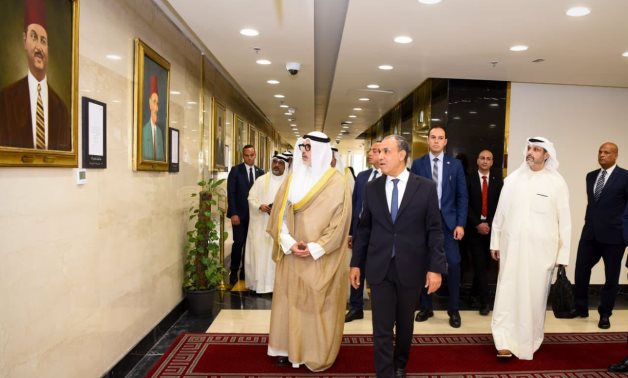
Foreign Minister Badr Abdelatty and his Kuwaiti counterpart, Sheikh Jarrah Jaber Al-Ahmad Al-Sabah, reviewed developments in the US-Iran talks and efforts aimed at halting escalation and ending the war.
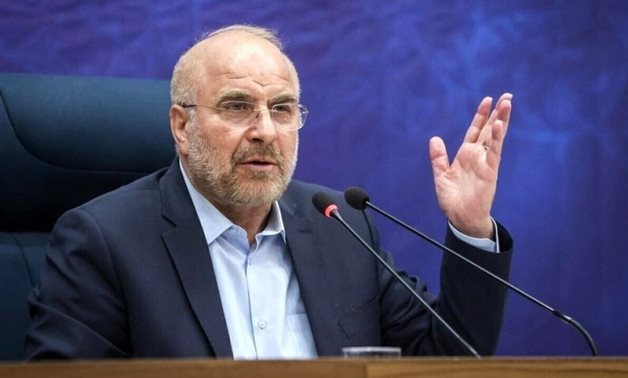
Ghalibaf said the negotiations had advanced but key gaps persist, noting that “several fundamental issues” remain unresolved.
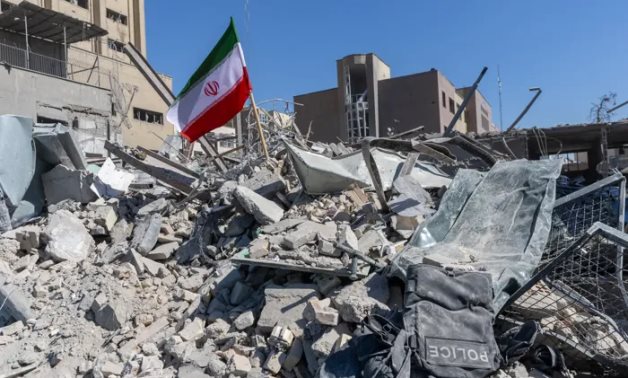
The report comes as US President Donald Trump said there are “no sticking points at all” in the ongoing talks with Iran, while signs of persistent escalation continue to emerge.
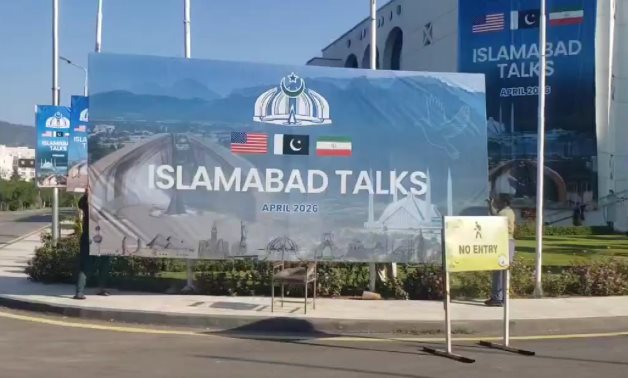
The two sides, with mediation from Pakistan, Egypt and Türkiye, have been working to narrow remaining differences in an effort to reach a deal before a ceasefire expires on 21 April.
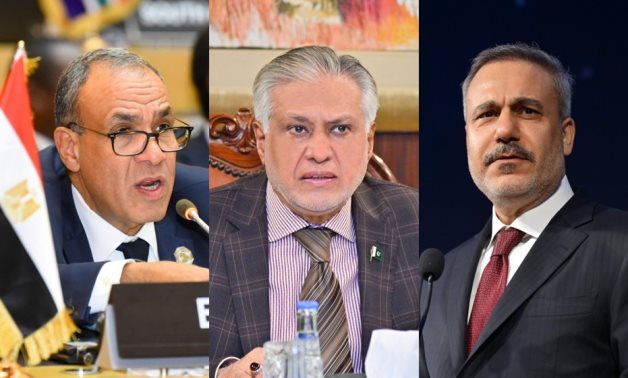
Foreign Minister Badr Abdelatty discussed the issue in separate phone calls with his Turkish counterpart, Hakan Fidan, and Pakistan’s Foreign Minister Mohammad Ishaq Dar, whose country is mediating the talks.

US Vice President JD Vance, who led the American delegation during the talks, said “substantive discussions” had taken place, but Iran ultimately chose “not to accept our terms.”
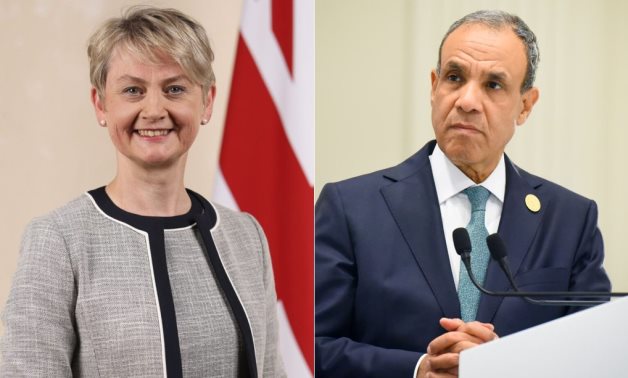
In a phone call with UK Foreign Secretary Yvette Cooper, Foreign Minister Badr Abdelatty stressed the importance of building on the ceasefire announcement between Washington and Tehran to reinforce de-escalation efforts.
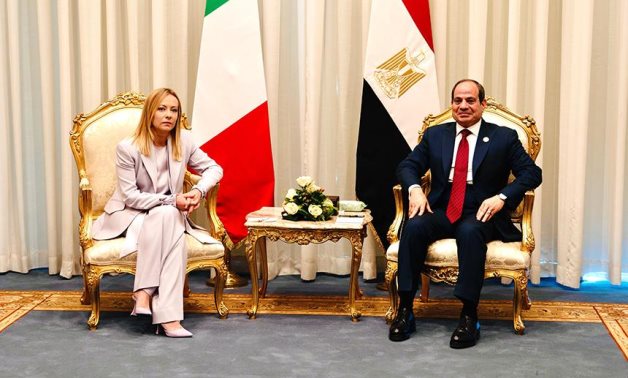
During a phone conversation with El-Sisi on Friday, Meloni said Hezbollah had made the wrong choices, while the Israeli response had exceeded the bounds of legitimate self-defense, a statement by the Presidency said.
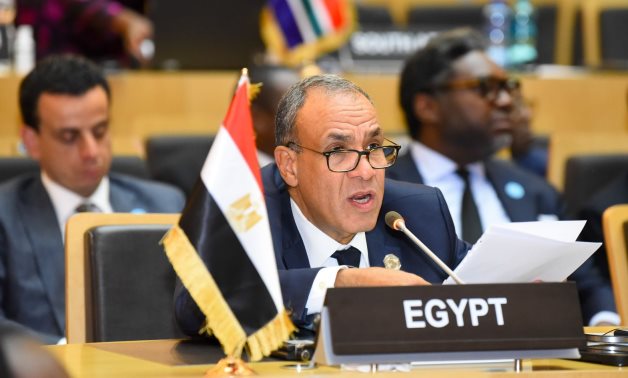
Abdelatty highlighted Egypt’s sustained efforts to de-escalate tensions in coordination with regional partners, urging building on the ceasefire announcement as a key step toward advancing calm.
Despite the pause in hostilities, deep mistrust and unresolved flashpoints continue to cast uncertainty over the negotiations.
The warning comes a day after Trump announced a two-week, mutual ceasefire to pave the way for negotiations on a war-ending deal, contingent on Iran reopening the Strait of Hormuz, through which a fifth of the world’s oil flows.