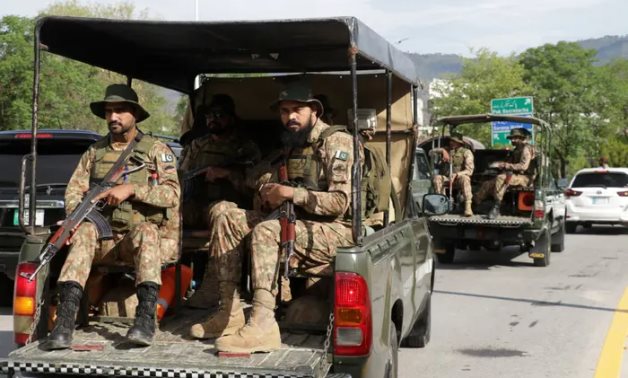
Security personnel have been deployed across Islamabad ahead of anticipated US-Iran talks. Press photo




ISLAMABAD – 10 April 2026: Mediator Pakistan is expected to host negotiations between the United States and Iran in Islamabad on Saturday, in a bid to end a war that has intensified instability across the Middle East and rattled the global economy.
The meetings follow a fragile two-week ceasefire brokered earlier this week after more than five weeks of hostilities triggered by US and Israeli strikes on Iran on February 28.
Despite the pause in hostilities, deep mistrust and unresolved flashpoints continue to cast uncertainty over the negotiations.
A senior US delegation led by Vice President JD Vance is expected to arrive in the Pakistani capital, joined by key figures including US Special Middle East Convoy Steve Witkoff and US President Donald Trump’s son-in-law Jared Kushner.
Iran’s delegation, expected to arrive late Friday, is likely to be led by Parliament Speaker Mohammad Bagher Qalibaf and include Foreign Minister Abbas Araghchi, according to Pakistani sources.
Caution, Pressure and Threats
Before departure, Vance stressed that engagement would depend on what he described as Iran’s willingness to act in “good faith” but warned that if they “try to play us” the US will not be “that receptive.”
Iran, meanwhile, is approaching the talks with its own set of demands and reservations.
A statement from Iran’s military command, Khatam al-Anbiya, said Tehran would not back down against what it described as “aggressors” who attacked the country.
The command added that Iran is entering a “new phase” in managing the Strait of Hormuz and “will maintain the initiative of control over this strait.”
“The armed forces of the Islamic Republic of Iran remain, as they were during the third imposed war and the 40 nights of unequal confrontation, at full readiness, with their hands on the trigger,” they added.
Iran’s Deputy Foreign Minister Majid Takht Ravanchi said on Friday, during a meeting with accredited foreign ambassadors in Tehran, that the negotiations would be based on a 10-point plan proposed by Iran.
According to Iranian reports, the plan includes sanctions relief, an end to the US military presence in the Middle East, and the release of frozen Iranian assets, conditions likely to be refused by the US.
Early Divisions on Lebanon, Hormuz
At the center of the dispute is the Strait of Hormuz, a critical artery for global oil shipments.
Washington has pushed for its immediate reopening, while Tehran has framed control over the waterway as a sovereign right and a key point in any settlement.
The ceasefire was tied to conditions set out by Trump, who said it would depend on Iran agreeing to the “complete, immediate, and safe” reopening of the strait.
However, Iran has moved to close the strait in response to ongoing Israeli strikes in Lebanon, escalating since the US-Iran ceasefire took effect, further complicating the path to negotiations.
Iran and Pakistan have said the situation in Lebanon is an integral part of the truce agreed on Wednesday, while the United States and Israel maintain that it falls outside the scope of the agreement, exposing early divisions over its interpretation.
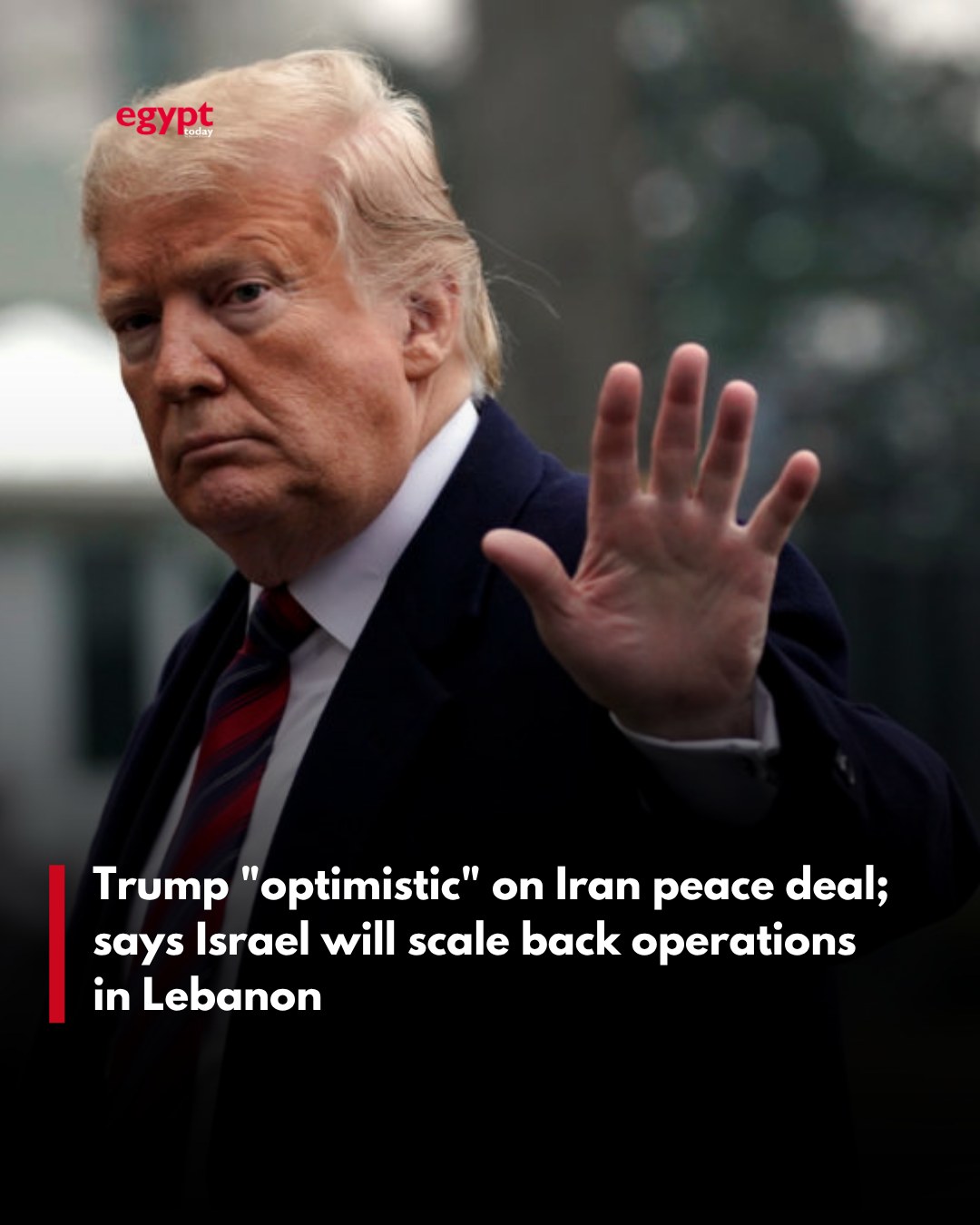
Trump sharply criticized Tehran’s actions, accusing it of failing to uphold its commitments with regard to reopening the strait.
He said on Thursday that Iran is “doing a very poor job, dishonorable some would say, of allowing Oil to go through the Strait of Hormuz.”
“That is not the agreement we have!”
Ahead of the talks, Trump signaled a hardline stance, saying the Iranians “don’t seem to realize they have no cards, other than short-term extortion of the world by using international waterways.”
“The only reason they are alive today is to negotiate!”

Be Social




Comments
Leave a Comment