
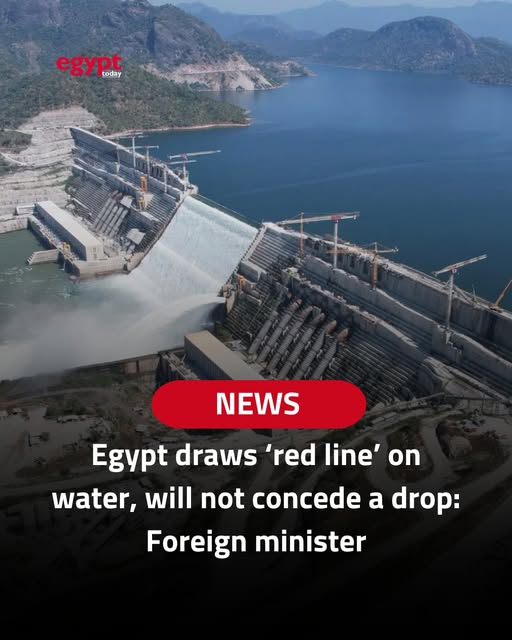
FILE - Grand Ethiopian Renaissance Dam (GERD) - Ethiopian gov't




CAIRO – 26 February 2026: Egypt and Sudan on Thursday reaffirmed their rejection of any unilateral measures in the Eastern Nile Basin that could harm their water interests, urging Ethiopia to abandon such actions.
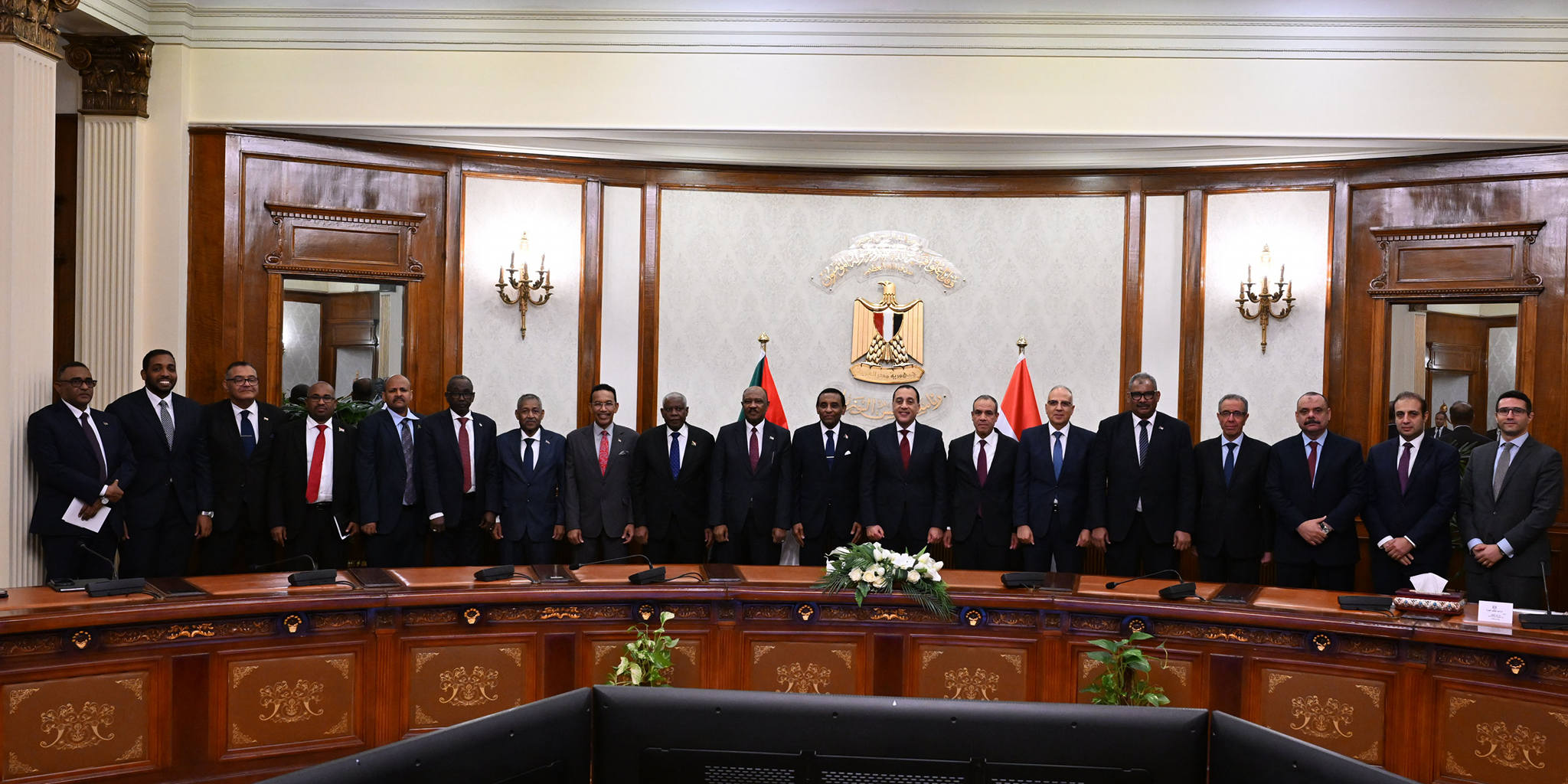
The appeal came during talks in Cairo between Egyptian Prime Minister Mostafa Madbouly and Sudan’s transitional Prime Minister Kamil Idris, where the two sides reviewed the latest developments related to the Nile file.
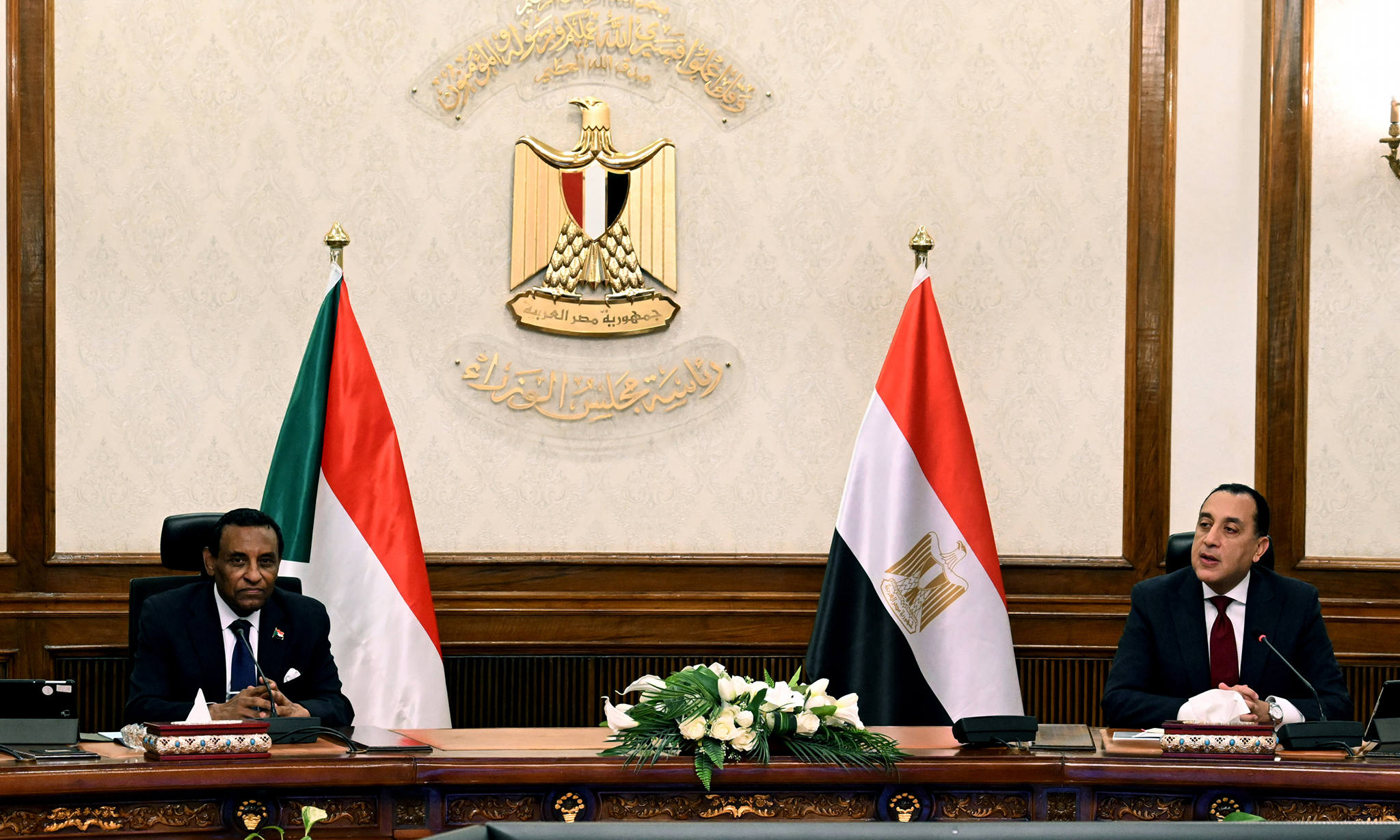
The prime ministers called on Ethiopia to abandon its unilateral approach and to adhere to international law governing shared waterways.
They specifically urged Ethiopia to comply with established principles of prior notification, consultation, avoidance of significant harm and consensus, stressing that the Nile should remain a source of cooperation and shared prosperity for all riparian states.
Both downstream countries of the Nile stressed the need to protect their water security and preserve their full water rights and uses in line with the 1959 agreement and international law.
They also agreed to fully coordinate positions in regional and international forums dealing with Nile issues, emphasizing Egyptian and Sudanese water security as one indivisible whole.
The two sides reiterated their categorical rejection of any unilateral measures in the Eastern Nile Basin that could harm the water interests of downstream countries or threaten their water security.
They warned that such actions violate international law and constitute a persistent source of regional instability.
‘Egypt to Respond If Harmed’
Their remarks comes while Egypt and Sudan have persistently objected to Ethiopia’s unilateral measures on its Grand Ethiopian Renaissance Dam (GERD), a mega dam capable of holding up to 74 billion cubic meters of water.
The two downstream countries have raised concerns that unilateral and uncoordinated filling and operation of GERD could affect their water security and interests, particularly during periods of drought or flooding.
Egypt, which relies on the Nile for 98% of its renewable water resources, has warned that it will not accept any infringement on, or relinquishment of, a single drop of its Nile water share.
Egypt’s Foreign Minister Badr Abdelatty stated in December that any damage to Egypt resulting from the Ethiopian dam project would be met with a response under international law, in line with the country’s right to self-defense.
Legally-Binding Agreement
The two downstream countries have long affirmed that they are not against development in Ethiopia but called for a binding legal agreement governing the operation and filling of the dam to secure their water interests.
However, the upstream country has persistently rejected this demand, bringing the curtain down on more than a decade of talks.
The Ethiopian dam built over the Blue Nile was officially inaugurated in September despite Egypt and Sudan concerns, causing the dispute between the three countries to soar.
‘Man-Made Flood’
In October, Egypt accused Ethiopia of creating a “man-made flood” that put the lives and resources of populations in the two downstream countries at risk, citing “hasty and uncoordinated filling” of the recently inaugurated dam.
President Abdel Fattah El-Sisi told African officials in December that Egypt’s sole demand is that its rights to Nile water rights are not affected and that a legally binding agreement is reached regarding the dam.

Be Social




Comments
Leave a Comment