GERD
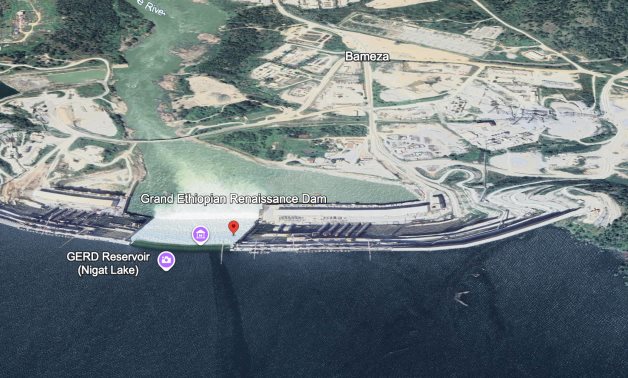
It noted that these indicators are still insufficient to accurately assess this year's flood season, adding that a clearer picture is expected after the first ten days of August, when a significant portion of the Blue Nile's seasonal flow, arriving during the second half of July and early August, will have reached downstream areas. The committee pointed out that the Blue Nile's discharge during the final ten days of July typically accounts for around half of the month's total flow.
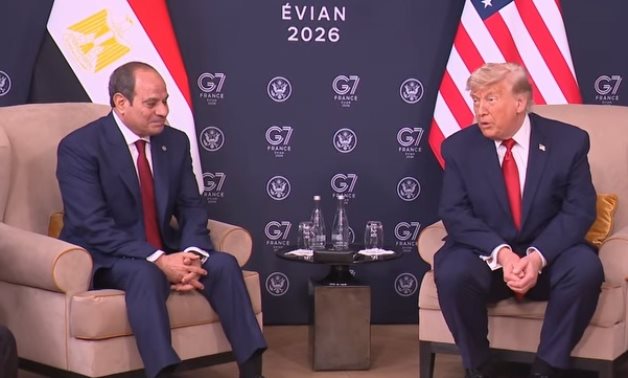
US President Donald Trump said on Wednesday he will revisit the dispute over the Grand Ethiopian Renaissance Dam (GERD), saying the project is causing "tremendous problems for Egypt."
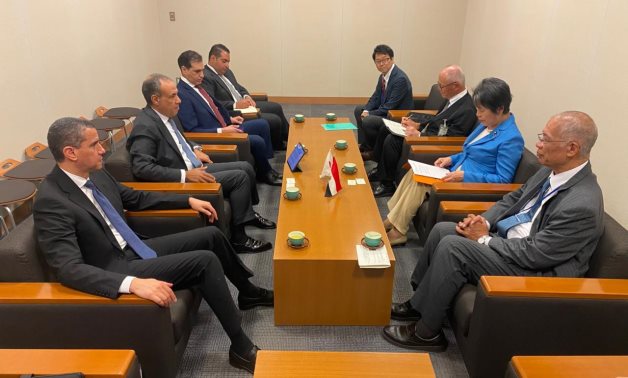
Egyptian Foreign Minister Badr Abdelatty met Yoko Kamikawa, Special Envoy of the Japanese Prime Minister to the 2026 United Nations Water Conference on Wednesday, Abdelatty reviewed Egypt’s acute water scarcity challenges, the ministry said in a statement.
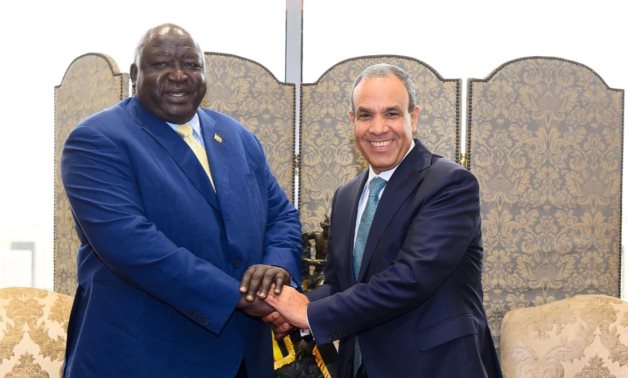
Egypt underscored the importance of cooperation and integration among Nile Basin countries to achieve mutual benefit.

Egypt and Sudan on Thursday reaffirmed their rejection of any unilateral measures in the Eastern Nile Basin that could harm their water interests, urging Ethiopia to abandon such actions.

Foreign Minister Badr Abdelatty made the remarks during a meeting with US Deputy Secretary of State Christopher Landau, who is visiting Egypt on an African tour that includes Ethiopia and other countries.
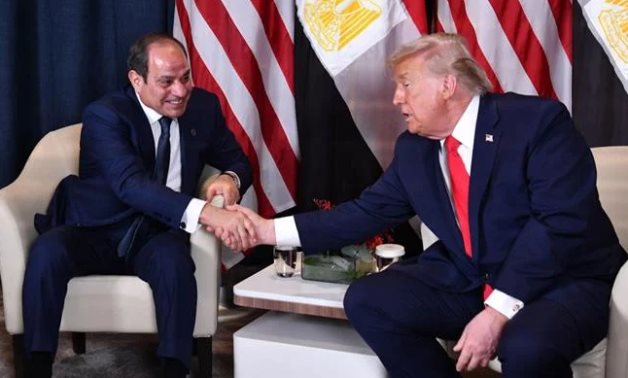
“We’re working on a dam that was built, which precludes the Nile River from getting water,” Trump said as he launched the Board of Peace, a global organization that he heads and that features world leaders as members, aimed at resolving conflicts.
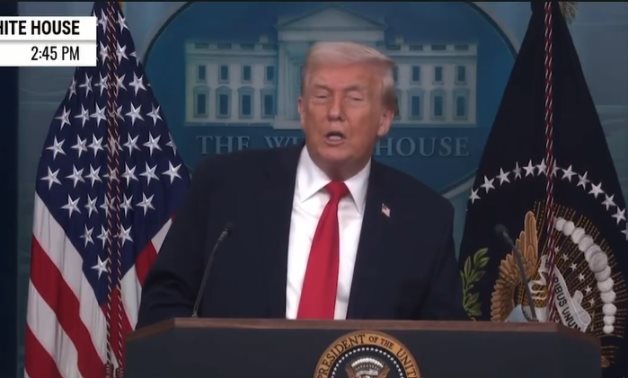
President Donald Trump on Tuesday said the United States was responsible for financing the Grand Ethiopian Renaissance Dam (GERD), calling the decision a "terrible thing" that threatens Egypt's water security.
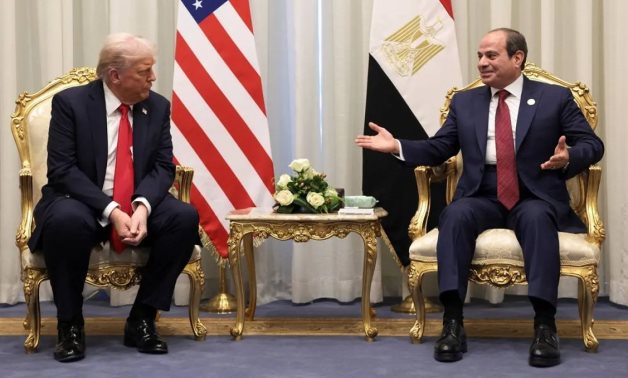
President El-Sisi thanks Trump for peace efforts, stresses Nile water security and cooperation with Nile Basin countries.
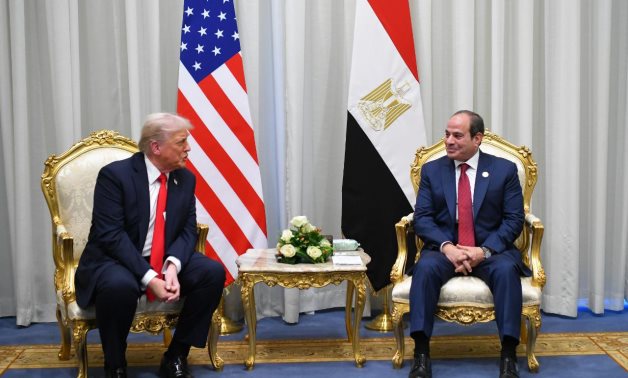
In the letter posted on his Truth account, Trump expressed his willingness to restart U.S. mediation between Egypt and Ethiopia to resolve the Nile water-sharing issue, emphasizing the river’s vital importance to Egypt. He stressed that no country should unilaterally control Nile resources and supports a fair, transparent agreement benefiting Egypt, Sudan, and Ethiopia.
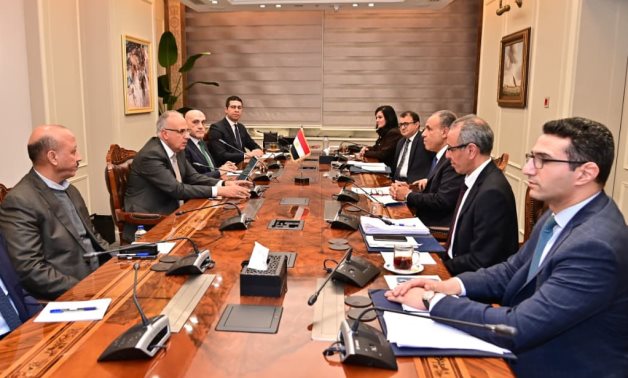
“Egypt continues to follow developments closely and will take all measures guaranteed under international law to protect the existential resources of its people,” the statement read.
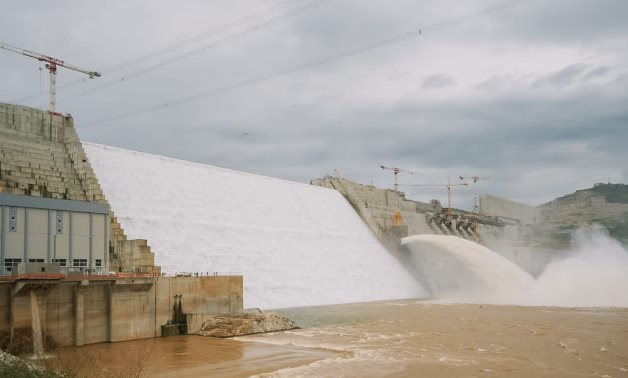
“The Egyptian state has set a number of red lines that cannot be tolerated or overlooked.”
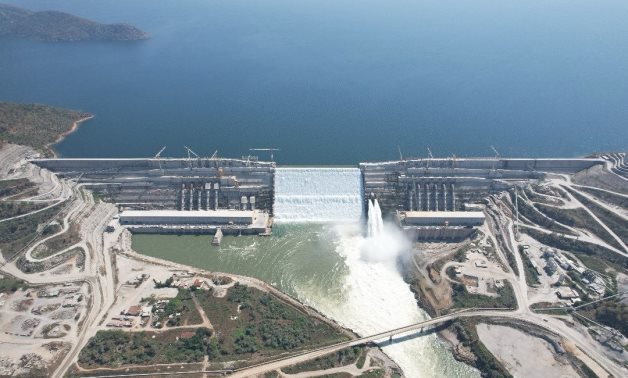
Abdelatty told a meeting of the Senate’s human rights committee that Egypt remains committed to pursuing all available legal and international channels to safeguard its water interests.
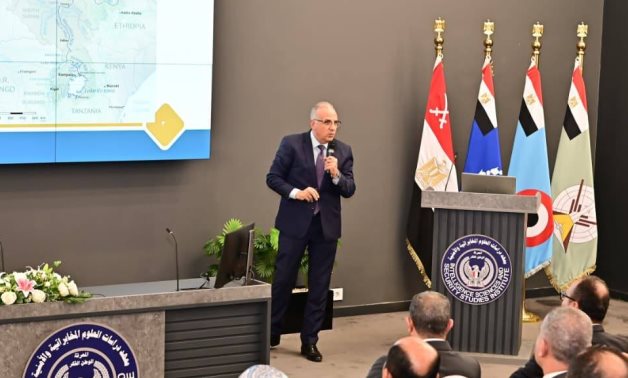
Speaking during a seminar on water security held as part of a training course for Egyptian military diplomatic personnel posted abroad, Hani Sewilam highlighted the country’s 98% reliance on the river for its renewable water resources.
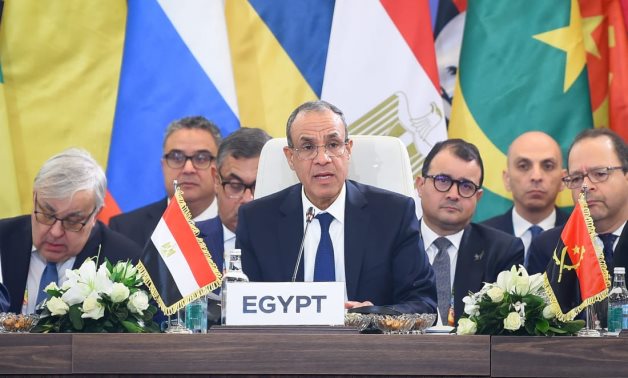
Abdelatty said Egypt places special importance on strengthening cooperation in the management of transboundary rivers in accordance with relevant rules of international law.
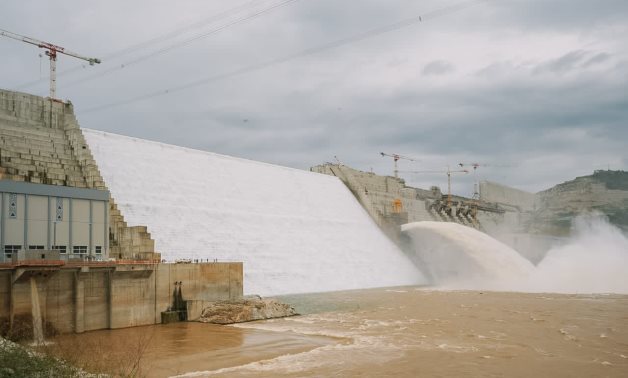
As the two leaders met in Cairo on Thursday, they underscored the importance of respecting international law to protect the shared interests of all Nile Basin countries.
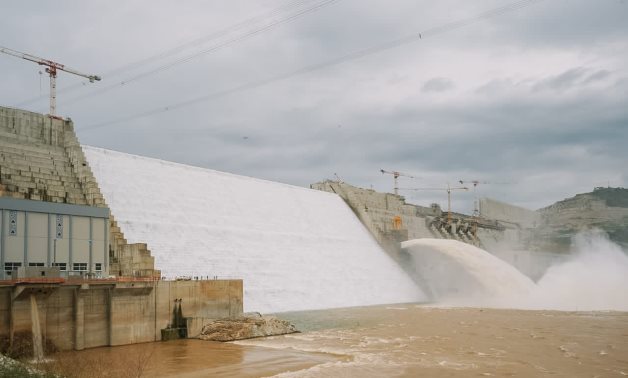
The foreig minister that the negotiating track had been exhausted and had “run into a dead end.”
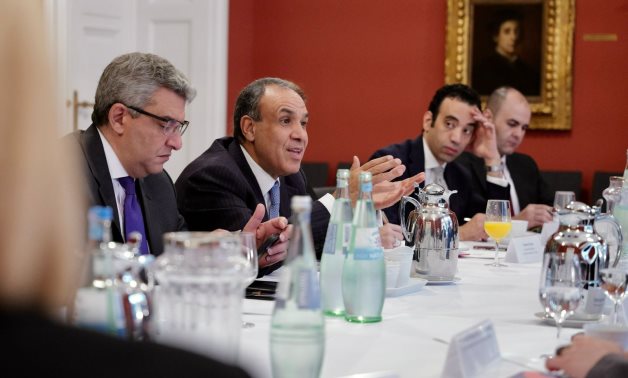
Abdelatty met with members of the German Bundestag’s foreign affairs committee in Berlin, reaffirming rejection of any unilateral actions in the Eastern Nile Basin.
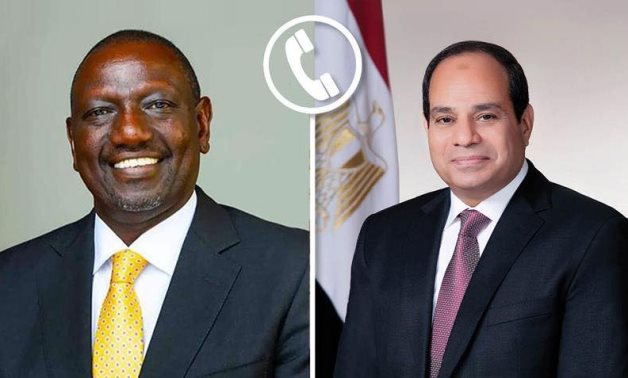
Ruto emphasized Kenya’s commitment to promoting cooperation and economic integration among Nile Basin countries, ensuring that the interests of any nation are not harmed.
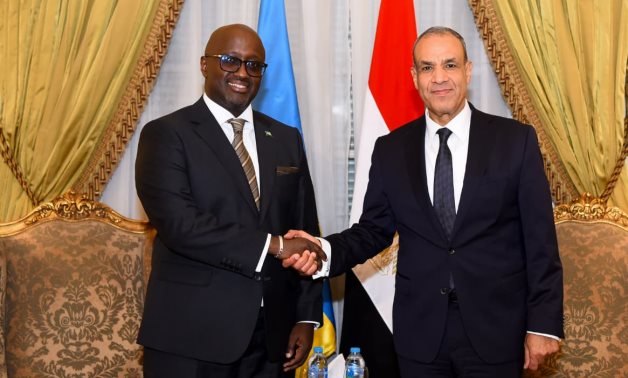
Abdelatty made the remarks in a meeting with his Rwandan counterpart, Olivier Nduhungirehe, on the sidelines of the grand inauguration of the Grand Egyptian Museum (GEM) on Saturday.