Wheat
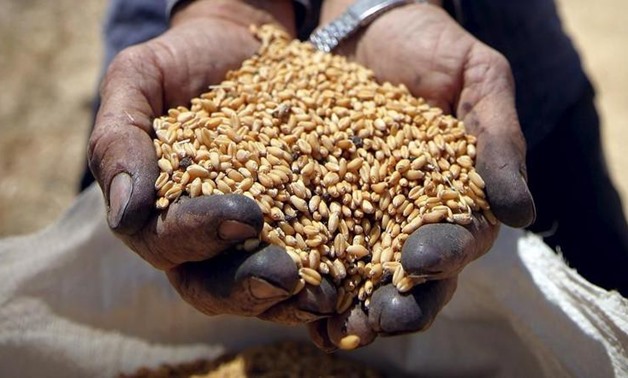
Egyptian Minister of Agriculture and Land Reclamation Alaa Farouk, announced that domestic wheat production this year has surpassed 10 million tons, marking a 6.5% increase compared to last year.
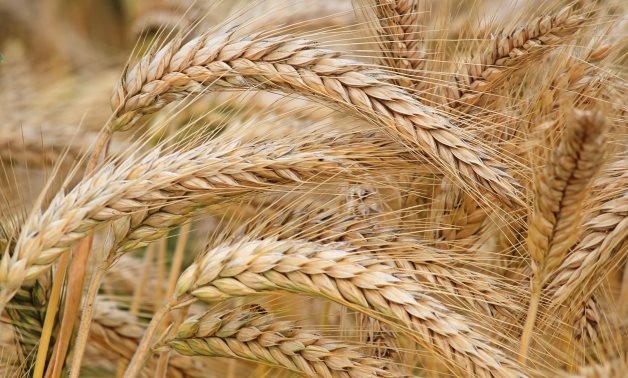
The state has fixed the procurement price at LE 2,500 per ardeb of local wheat, with farmer payments scheduled to be disbursed within 48 hours at maximum, in an effort to ensure rapid settlement and encourage delivery to state collection points.
As March draws to a close, farmers across Egypt are turning their attention to the vast expanses of yellow gold, as the Ministry of Agriculture and Land Reclamation prepares to launch the local wheat harvest.
Egyptian Minister of Agriculture and Land Reclamation, Alaa Farouk, announced the state's plan to increase domestic wheat production to between 4.7 million and 5 million tons, compared to 3.9 million tons in 2025.
He noted that local wheat production has reached around 3.5 million tons, alongside contracts to import approximately one million tons. The total stock is expected to rise to nearly 5 million tons with the start of the local wheat procurement season in mid-April, which will continue until mid-July 2026.
“This winter is exceptionally promising for wheat farmers and offers the potential for the highest expected yields, provided that all issued recommendations are carefully followed,” the head of the center said.
Egypt has successfully imported approximately 4.9 million tons of wheat, 4.2 million tons of yellow corn, and 2.2 million tons of soybeans, according to official data.
Egypt meets around 56% of its domestic wheat demand and aims to increase that to 65% in the coming phase, while maintaining a balanced approach to crop diversification and water resource management.

Kazakhstan is one of the largest producers and exporters of wheat in the world, as its grain production reached 26 million metric tons last year.
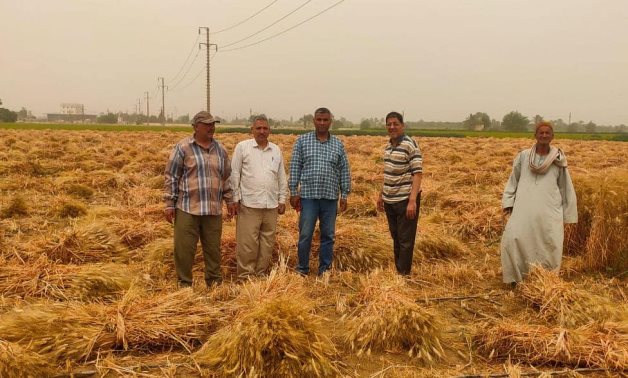
Egypt plans to cultivate 3.1 million feddans (acre) of wheat this season, with an increase in productivity of up to 25 ardab (150 kilograms) per acre, according to Minister of Agriculture and Land Reclamation Alaa Farouk on Sunday.
In contrast, June witnessed a decrease in wheat imports to $261 million, a 21.5 percent drop from June 2023's $332 million.
Egyptian wheat imports increased significantly in the first half of this year 2024, compared to the same period last year 2023, according to data from the Central Agency for Public Mobilization and Statistics.
This latest development underscores the port's ongoing commitment to facilitating international trade and ensuring the country's food security.
Furthermore, the document specifies that mills have also elevated the prices of flour supplied to local bread bakeries to LE 16,000 per ton, effective from the beginning of August, marking a 35 percent increase from the previous price of LE 11,800 per ton.
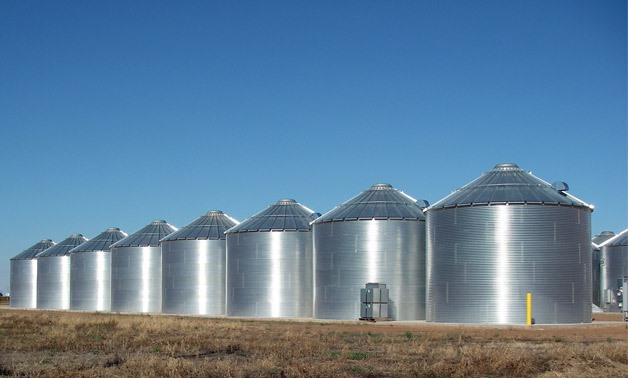
That is in tandem with setting a plan to connect them with railways and inland ports.

Maait addressed one of the key priorities outlined in the new budget, which sets aside LE 40.5 billion to support productive activities and enhance export capabilities.
In an effort to strengthen its position in the global grain market, the Egyptian Holding Company for Silos and Storage (EHCSS) has initiated discussions with the Russian government regarding the establishment of a grain center in Egypt's East Al-Tafria area in Port Said, Al-Moselhi added.
The Red Sea Ports Authority revealed that the Safaga Port in the Red Sea received a shipment of wheat on board the ship AAI EVOLUTION.
This goal is outlined in the economic development plan document for the current fiscal year 2023/2024, as presented by the Minister of Planning, Hala Al-Saeed.
This goal is outlined in the economic development plan document for the current fiscal year 2023/2024, as presented by the Minister of Planning, Hala Al-Saeed.