Sinai
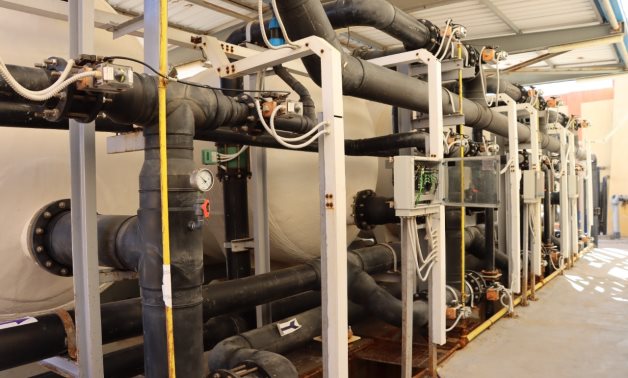
Sewilam highlighted Egypt’s growing water challenges, noting that the country depends on the Nile for more than 98 percent of its water resources while facing increasing demand and limited per capita water availability.
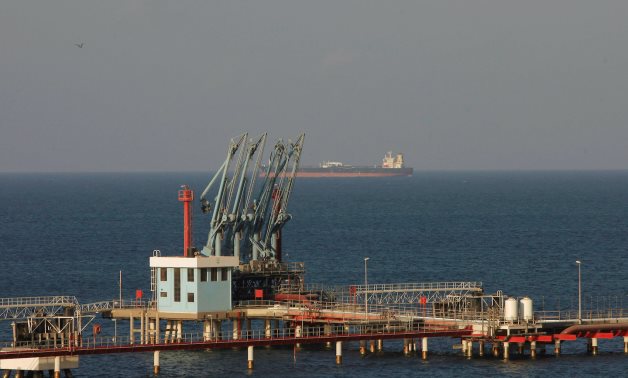
The increase has added more than 10,000 barrels per day above previous production levels and contributed over 2.8 million barrels in cumulative output since January 2025, according to the ministry.
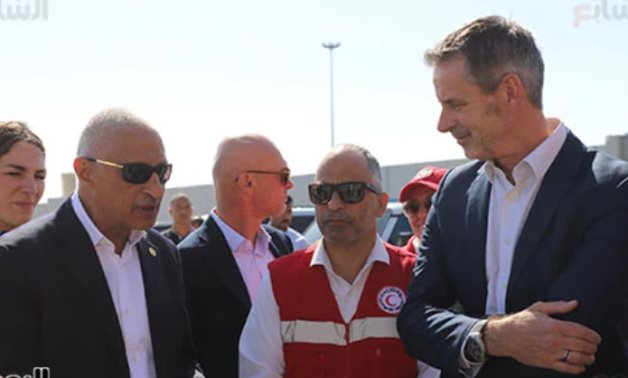
Major General Dr. Khaled Maghawer, Governor of North Sinai, accompanied the Belgian Ambassador to Egypt, Bart De Groof, and his diplomatic delegation on a field visit to the Rafah Crossing on Tuesday.
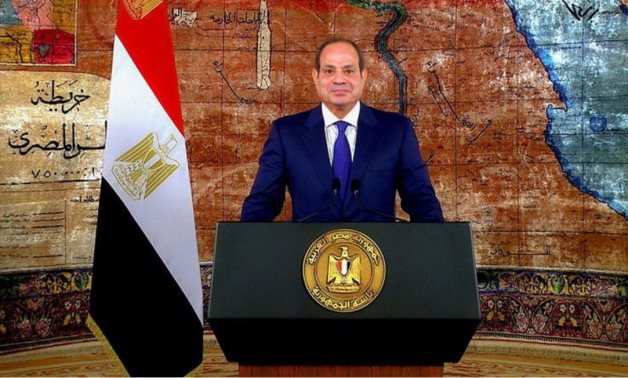
Marking Sinai Liberation, President Sisi made a televised speech saying: The liberation of Sinai is a pivotal moment in the nation's history.
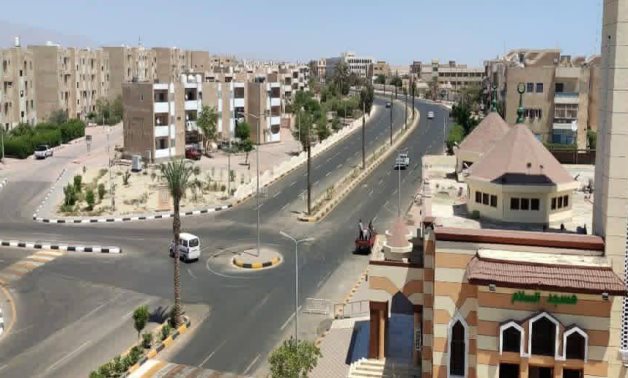
The Ministry emphasized that the Egyptian state places the development of Sinai at the forefront of its priorities through the implementation of integrated projects aimed at improving quality of life, creating job opportunities, enhancing social stability, and attracting investment.
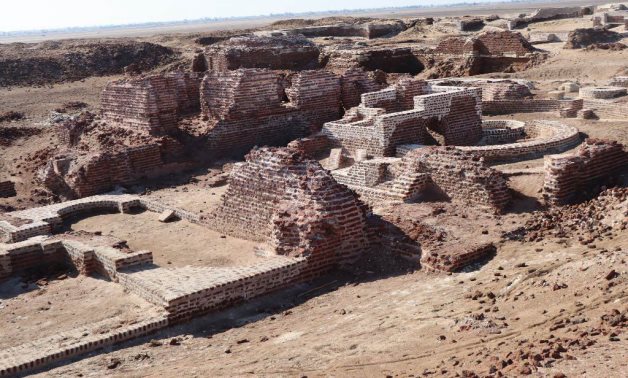
One of the most notable recent discoveries is the remains of a unique religious building dedicated to the local deity Pelousios at Tell el-Farma in North Sinai. This finding sheds light on the status of the ancient city of Pelusium and its pivotal role in the transmission and influence of religious ideas.
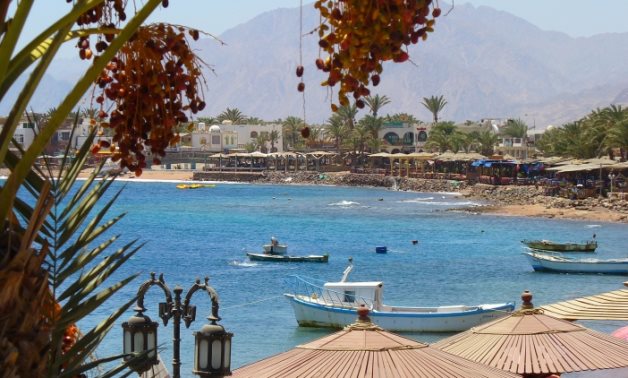
In alignment with the Egyptian state’s vision to foster human development and enhance national awareness, the Ministry of Culture is making rapid strides in the Sinai Peninsula.
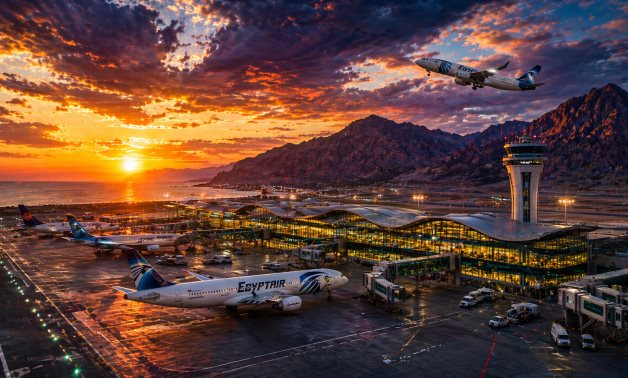
Sinai’s airports are being transformed into a powerful aviation network driving tourism, logistics, and growth.
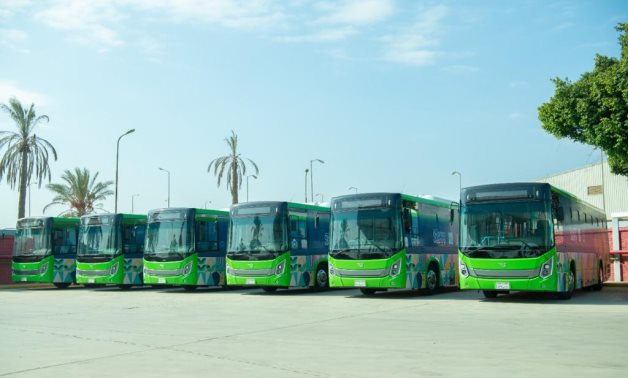
Following the directives of President Abdel Fattah El-Sisi, the Egyptian state is accelerating its national strategy for the development of the Sinai Peninsula. Sinai has emerged as an attractive destination for investment, a transition fueled by the implementation of several mega-projects.

Deep in the heart of the Sinai Peninsula lies a landscape of narrow canyons and ancient mysteries. The Taba Protectorate, spanning nearly 3,600 square kilometers, is Egypt’s premier destination for geological tourism, featuring the world-renowned Colored Canyon—a natural labyrinth of sandstone carved into swirling patterns of magenta, gold, and ochre.
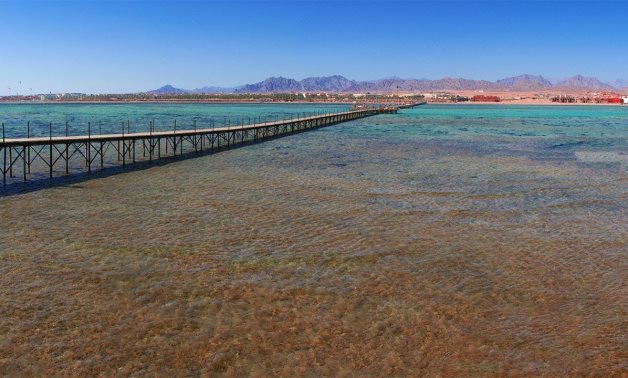
Just north of Sharm El-Sheikh, the Nabq Protectorate preserves a unique coastal forest that shouldn't technically exist this far north.The Shura (mangrove) groves of Nabq stretch for 4.5 kilometers along the coast, acting as a vital nursery for economic fish species and a sanctuary for the rare osprey and spoonbill.
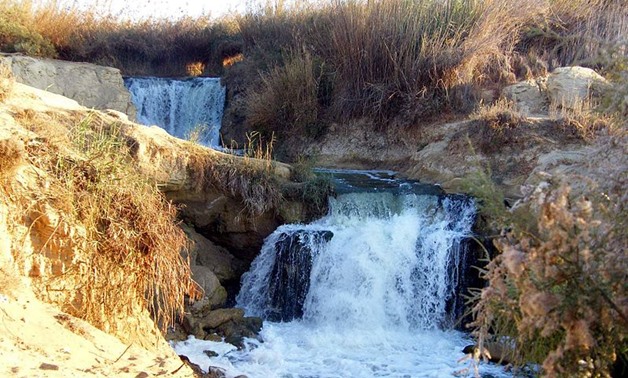
Tucked between the bustling towns of Dahab and Nuweiba, Abu Galum Protectorate offers a raw, unfiltered Sinai experience where high mountains crash directly into the deep blue of the Gulf of Aqaba.

Where the Gulf of Suez meets the Gulf of Aqaba, the desert drops into a kaleidoscopic world of 450-million-year-old coral reefs. Ras Mohammed National Park, Egypt’s first protected area established in 1983, remains one of the most productive natural systems on the planet, rivaling tropical rainforests in biological wealth.
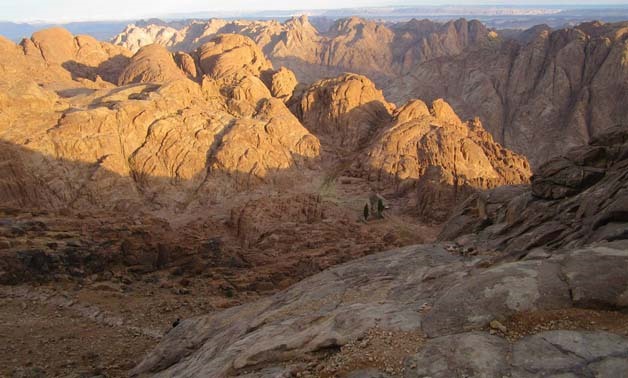
Standing atop the "roof of Egypt," visitors to the Saint Catherine Protectorate find themselves at the highest point in the country, where granite peaks reaching 2,641 meters offer a dramatic backdrop to centuries of human devotion.
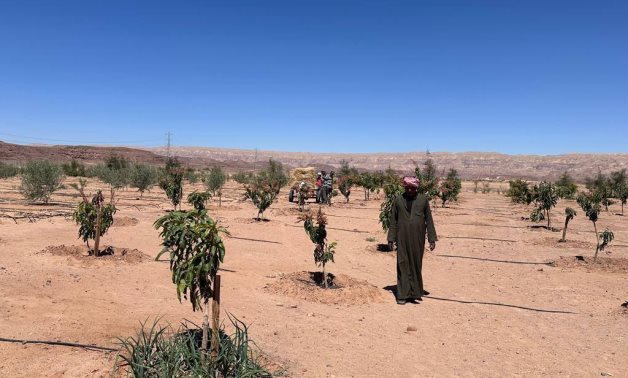
In cooperation with the FAO, a livelihoods enhancement project was implemented, including 100 field schools benefiting 1,200 farmers and women, along with the distribution of 50 tons of animal feed to support livestock breeders.
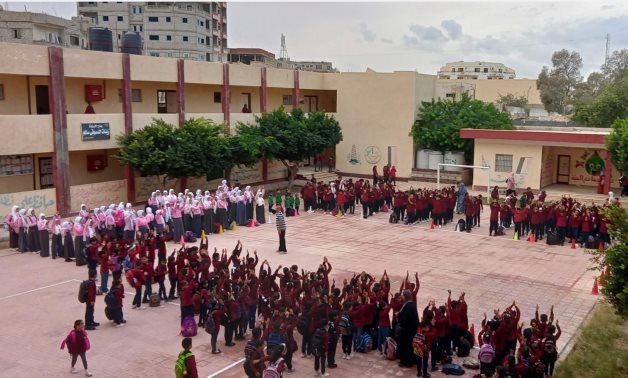
Among the different sectors that were tapped in amid the development process was the education sector, which is considered a strategic pillar in the state’s efforts to achieve development in Sinai.
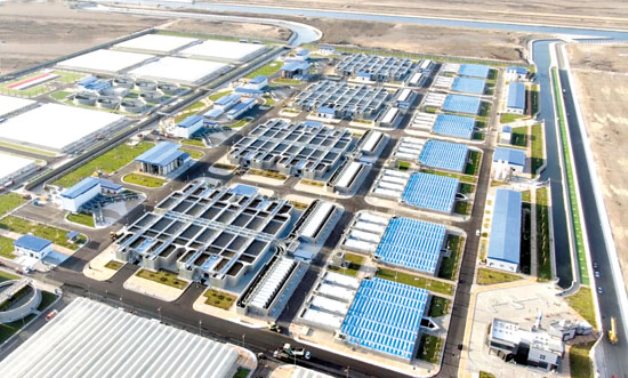
Sinai has always been a symbol of Egyptian pride and resilience. Just as it was once the stage for heroic liberation, today it stands as a beacon of development and enlightenment.

“Sinai—that sacred stretch of Egypt’s land—has long been a target for covetous eyes, yet throughout history it has stood as a symbol of resilience and sacrifice,” President Abdel Fattah El-Sisi said while marking the occasion last year.

Sinai’s return tells a story of war, diplomacy, and development that reshaped Egypt’s modern identity.
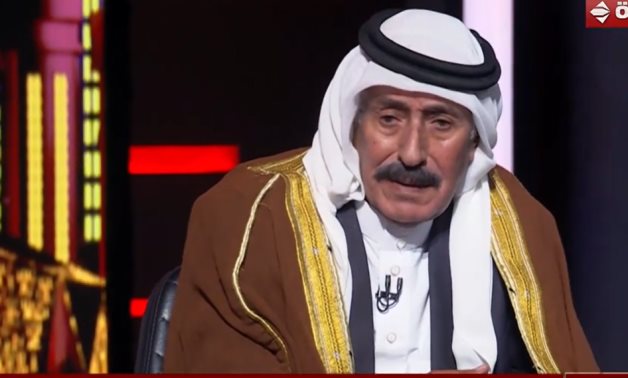
Sheikh Issa al-Kharrafin, head of the Sinai Tribes, stated on Wednesday that the Sinai is undergoing an unprecedented developmental and urban renaissance, fueled by a series of major national projects.