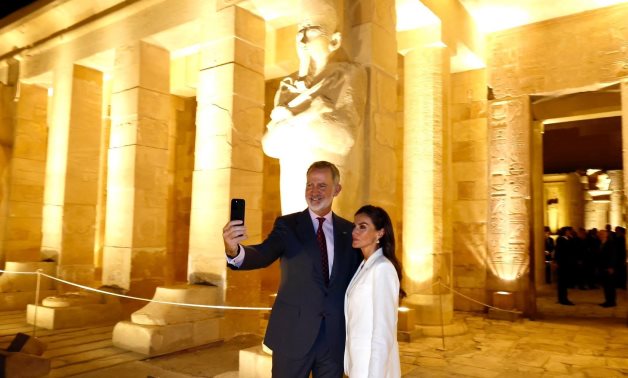
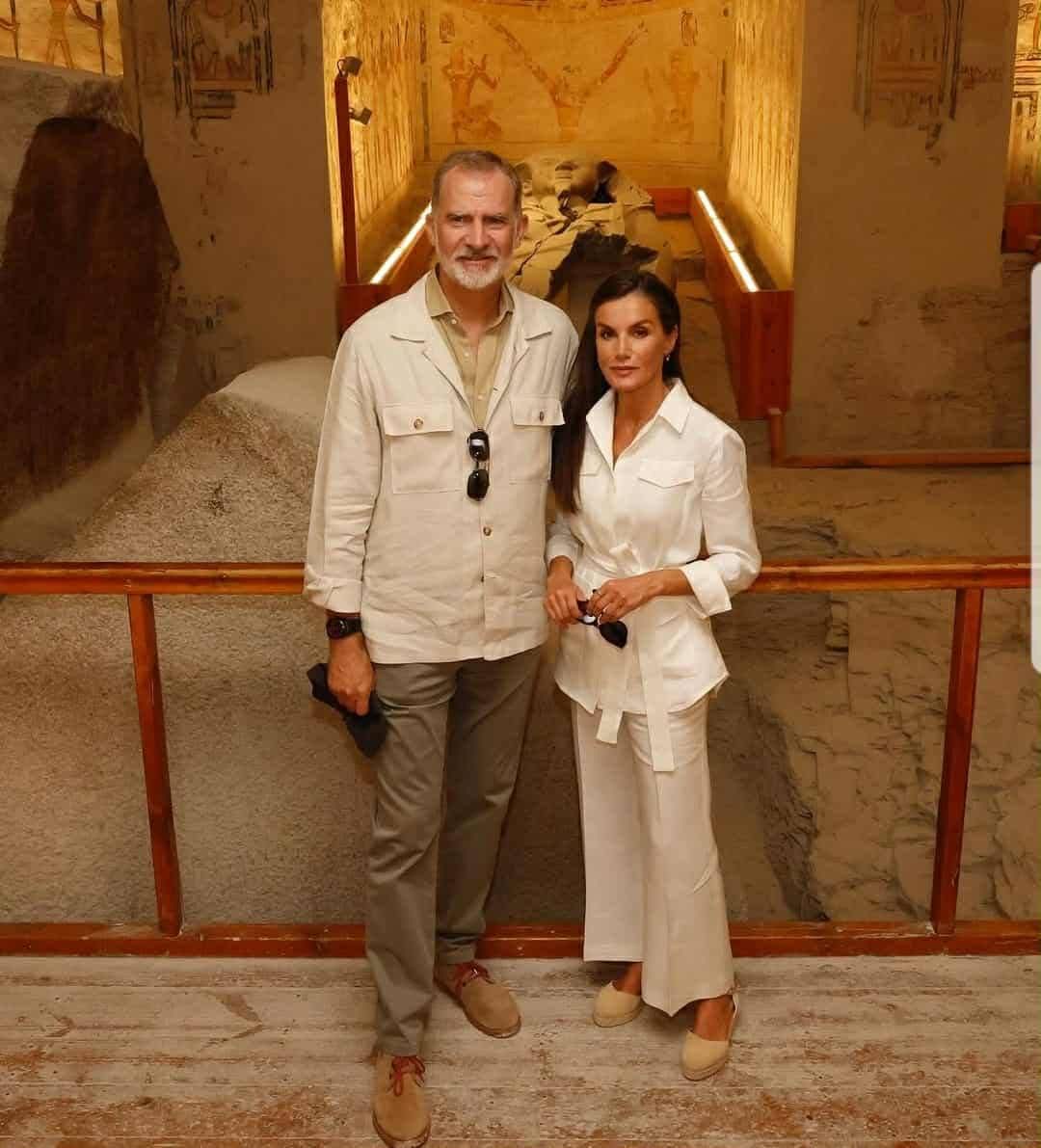
King Felipe and his queen, Letizia, took commemorative photos and even a selfie at the foot of Queen Hatshepsut’s temple




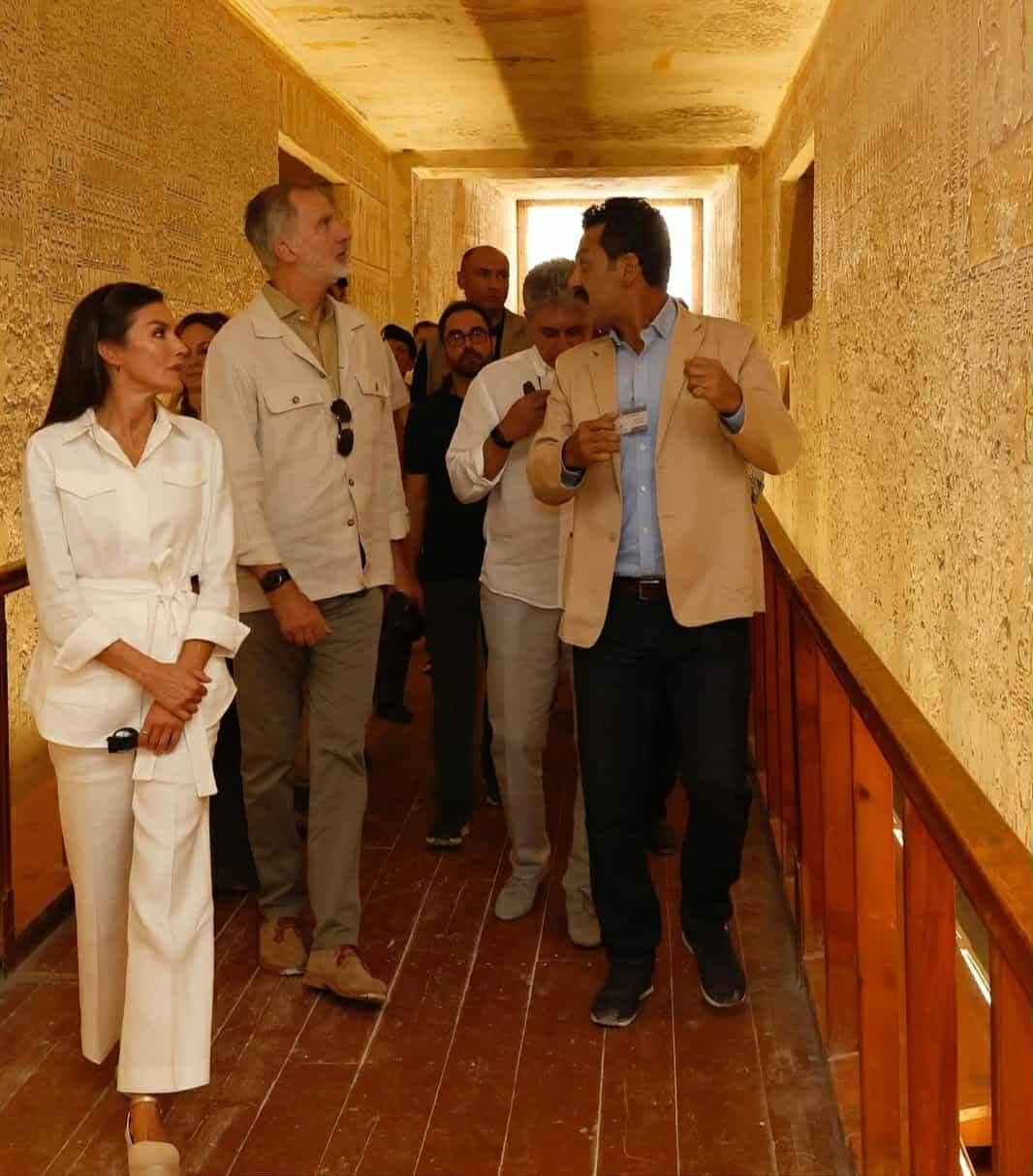
CAIRO – 19 September 2025: In a journey steeped in history and grandeur, King Felipe VI of Spain and Queen Letizia continued their exploration of Egypt’s timeless heritage on Friday, as they visited the legendary monuments of ancient Thebes in Luxor.
Their tour in Luxor is part of their historic trip to Egypt as the first by King Felipe and his spouse and the first by a Spanish monarch since 2008, when King Juan Carlos I and Queen Sofía they visited archaeological sites in Cairo.
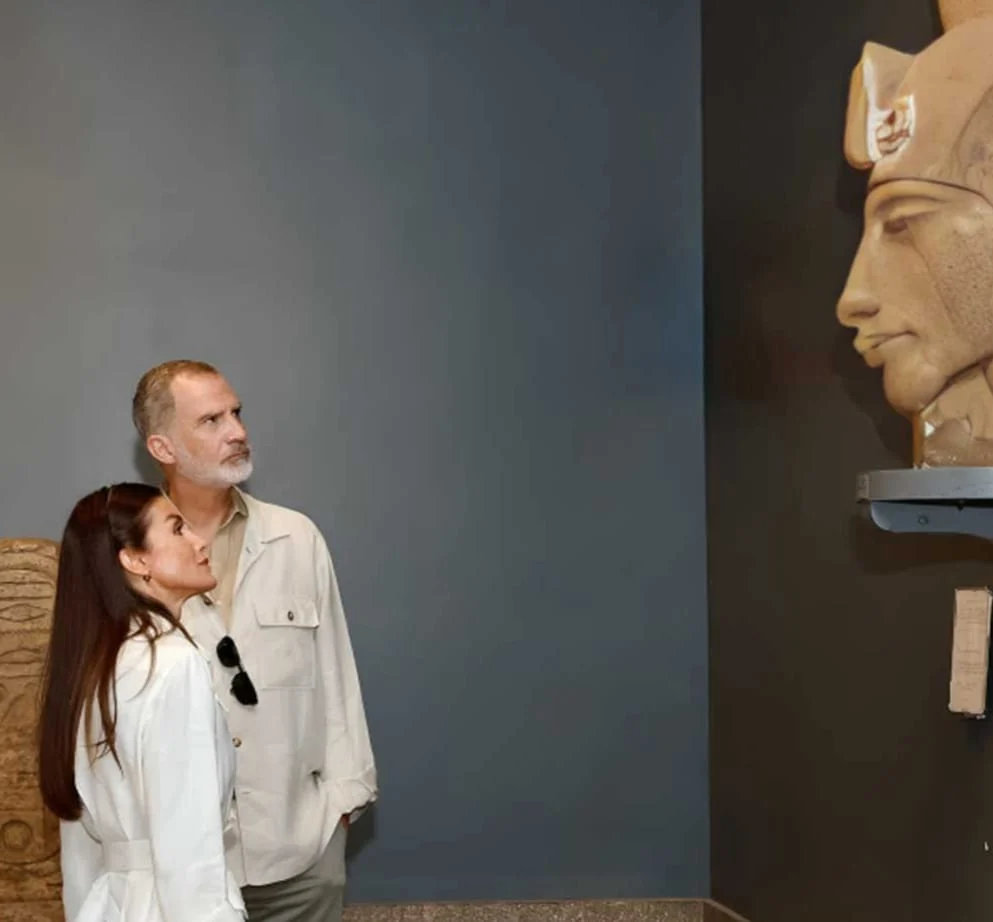
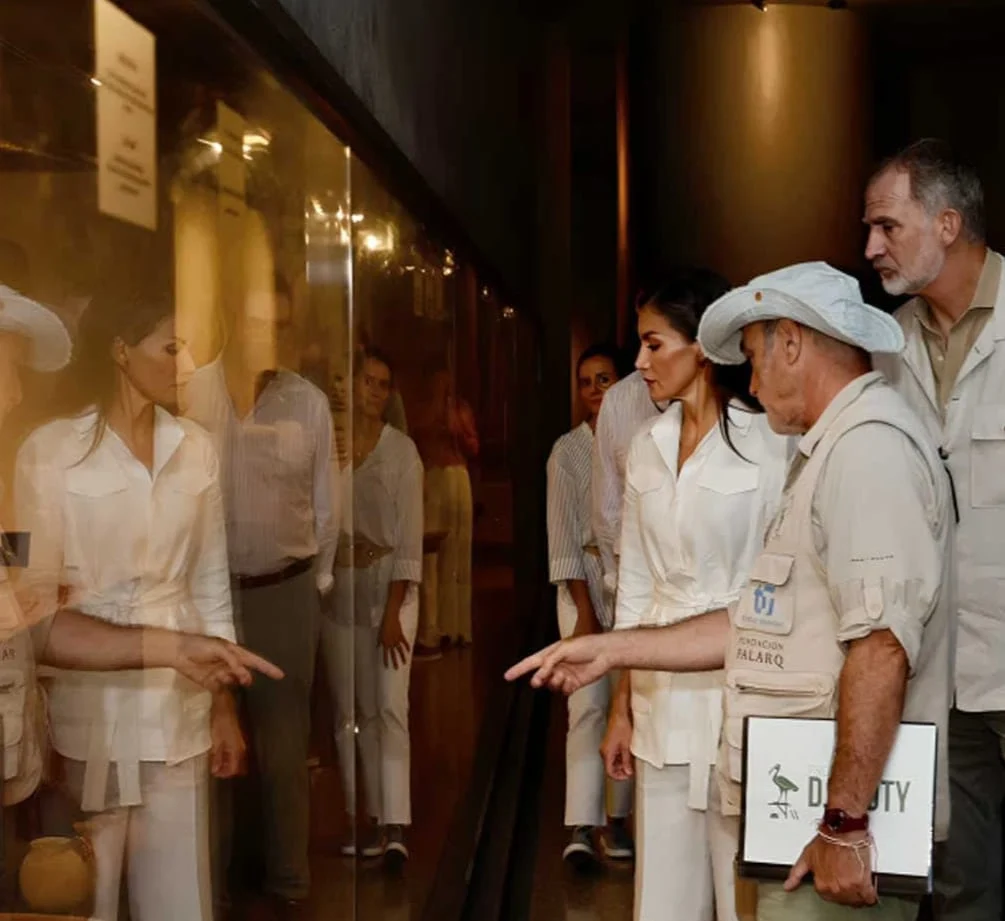
Their day began at the Luxor Museum, perched along the Nile Corniche, where the Spanish royals admired an exquisite collection of ancient artifacts, a curated narrative of Egypt’s enduring civilization, open to the world.
A highlight of the royal itinerary was the permanent exhibition showcasing the work of the Spanish archaeological mission in Luxor. Titled “Treasures of Vizier Amenhotep-Huy”, the exhibit chronicles over a decade of excavation and discovery in the ancient necropolis of Thebes, covering the period from 2009 to 2021.
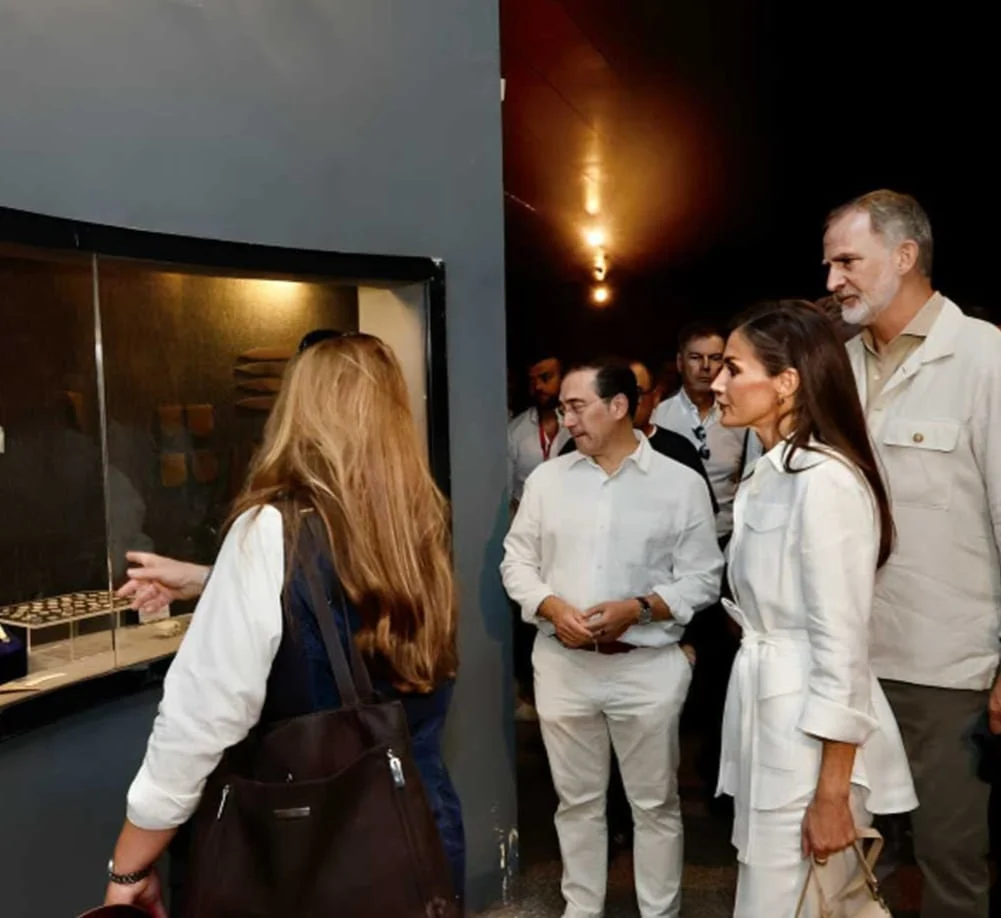
Featuring hundreds of artifacts, the display is a testament to the collaboration between Spanish and Egyptian archaeologist.
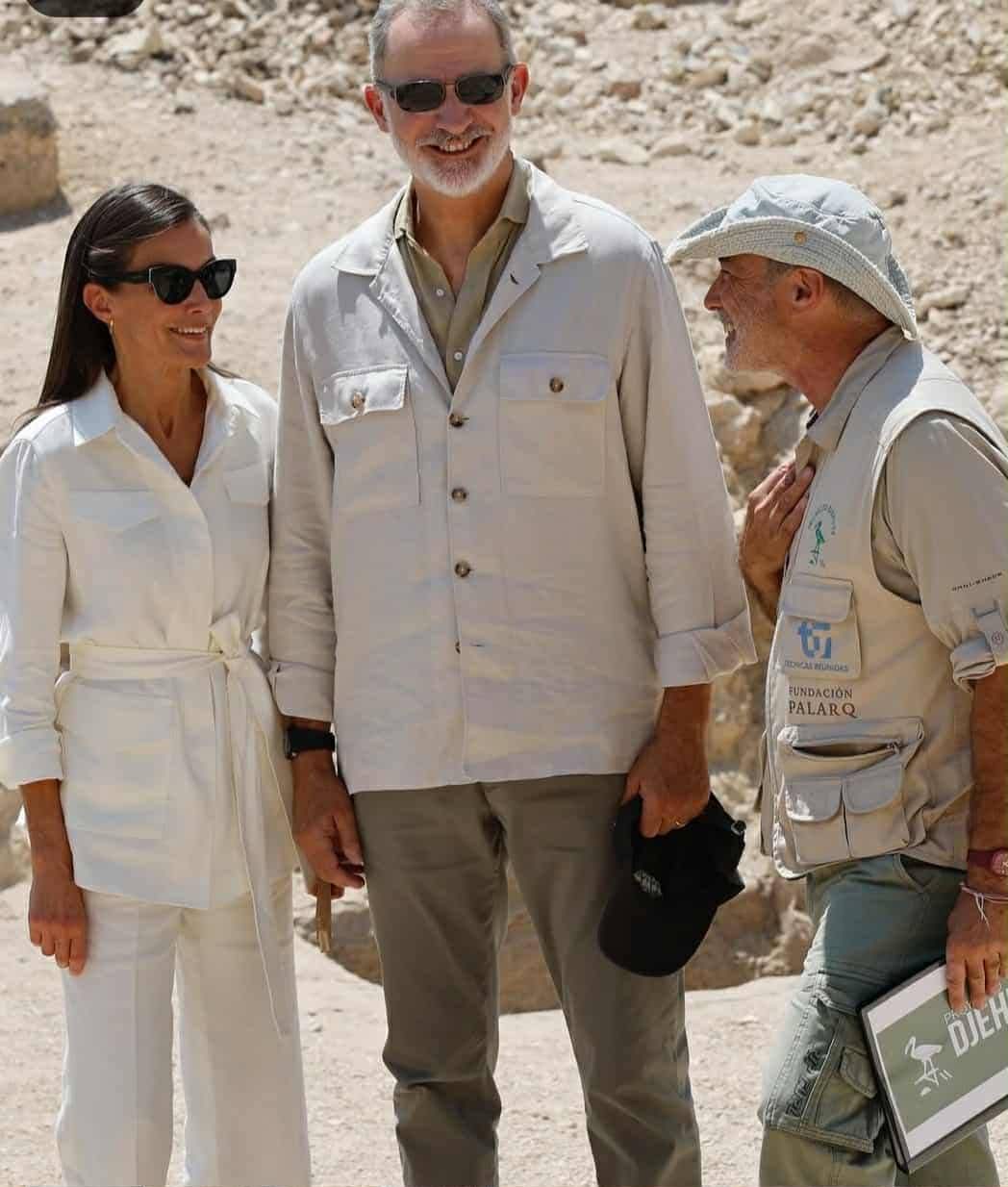
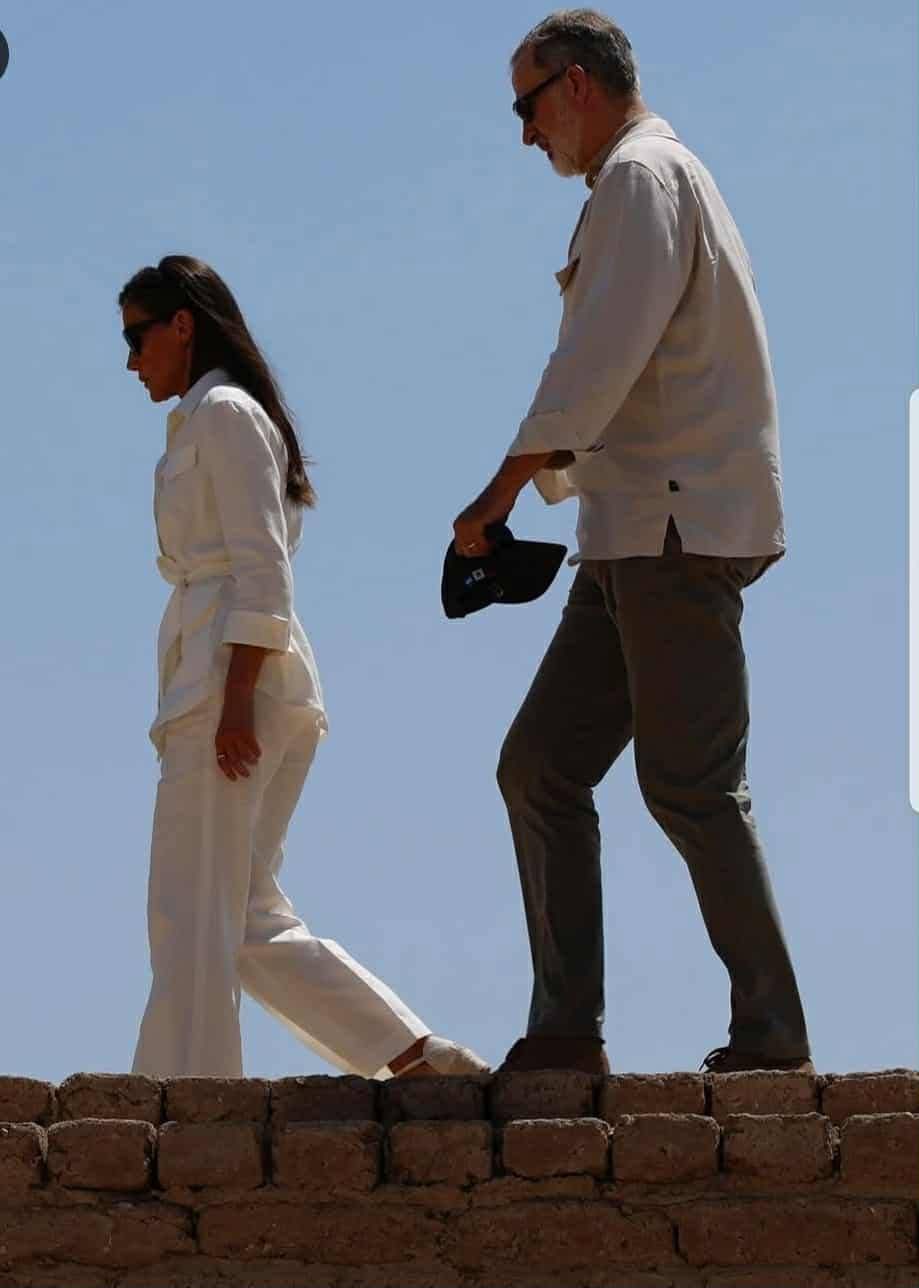
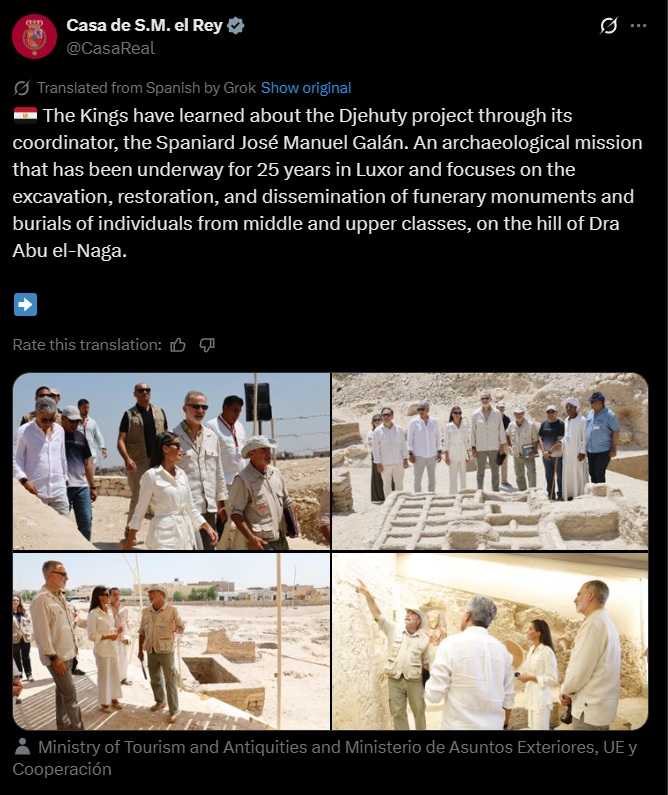
Continuing westward across the Nile, the royal couple visited two key excavation sites managed by the Spanish archaeological mission: the tombs at Dra' Abu el-Naga and another near the iconic Ramesseum temple.
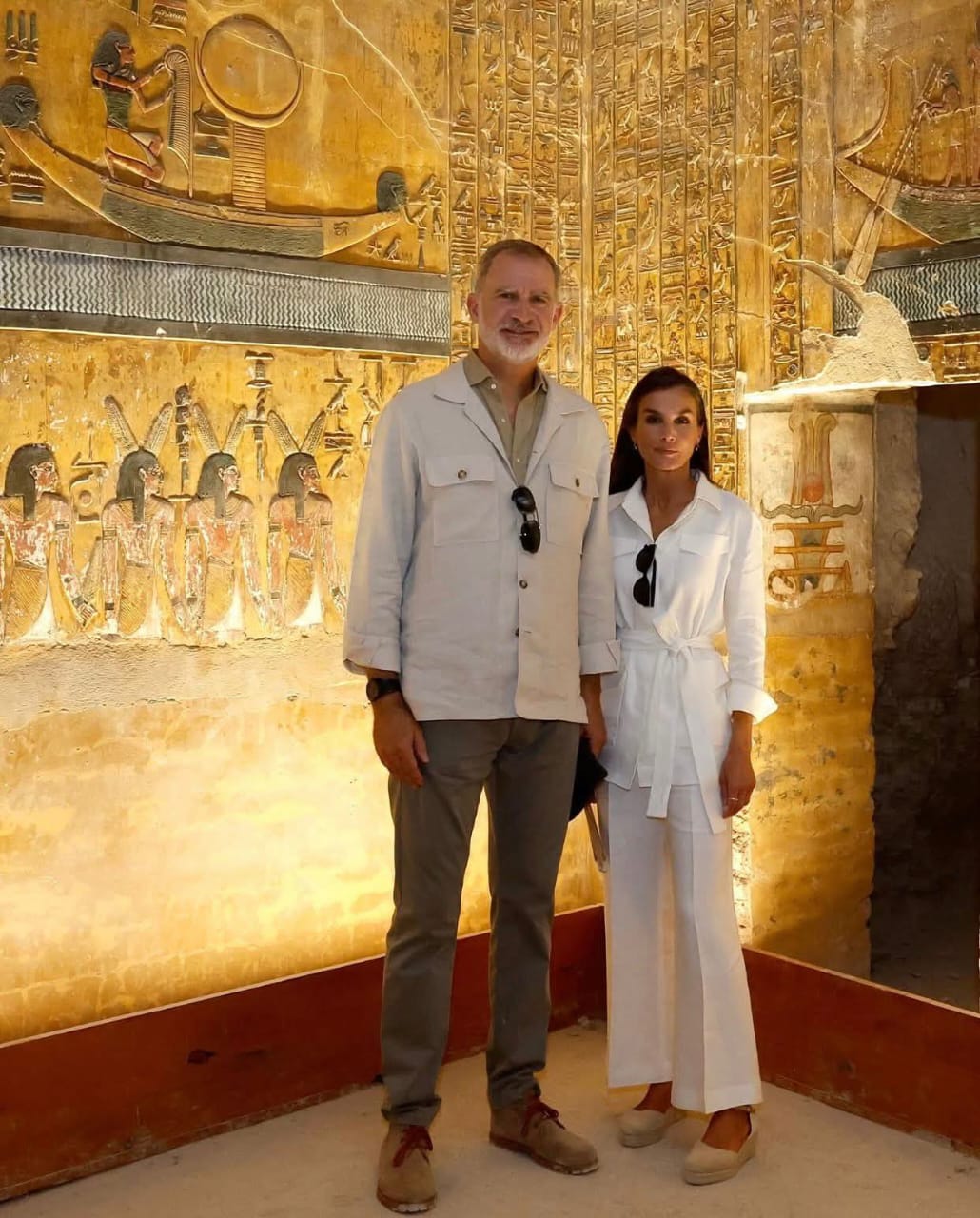
These sites are at the heart of collaborative Spanish-Egyptian efforts to rediscover and preserve Theban tombs and funerary landscapes.
Among the most notable achievements is the restoration and reopening of the tombs of Djehuty and Hery, unearthed by the joint mission of Egypt’s Supreme Council of Antiquities and the Spanish National Research Council since 2002.
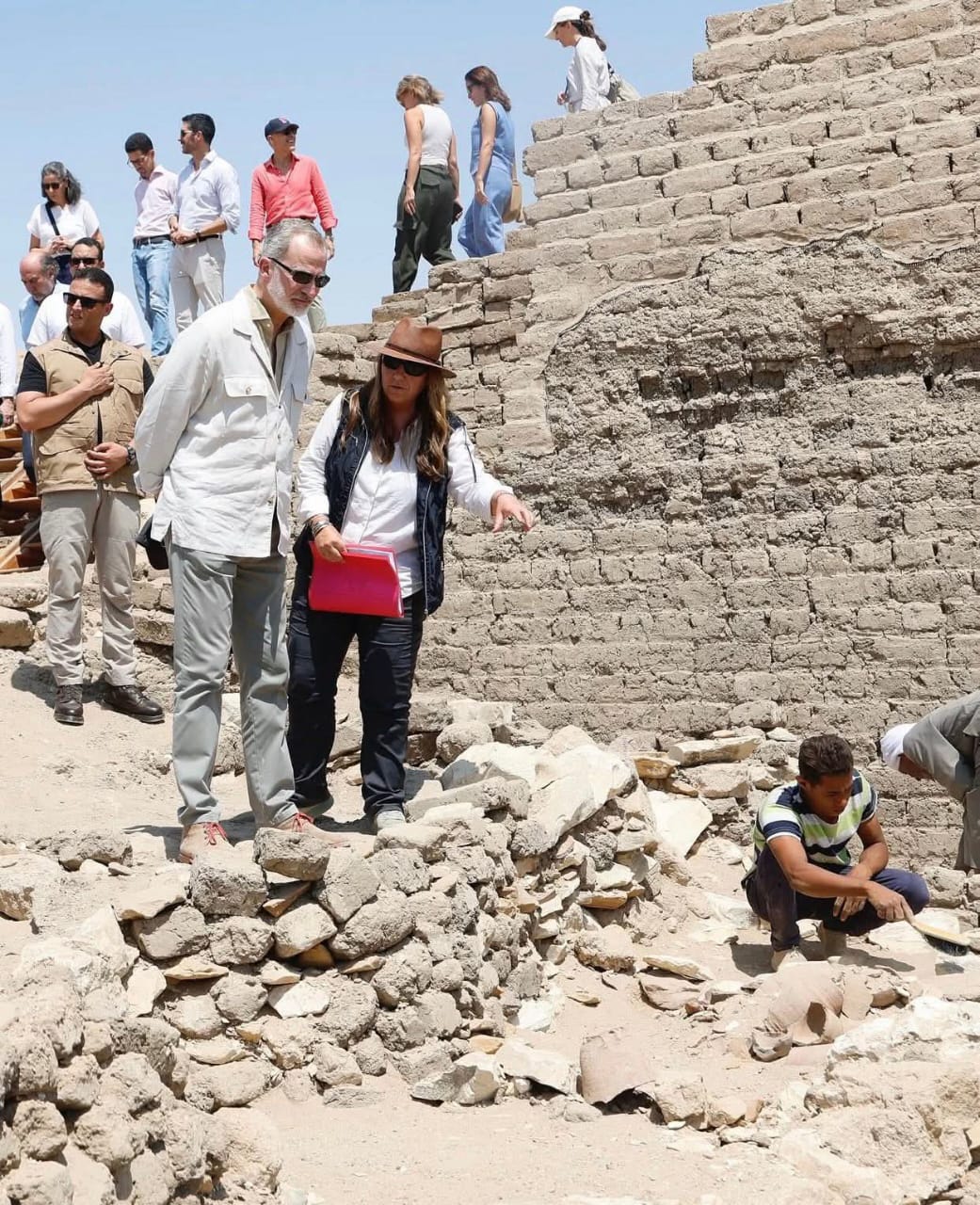
These efforts have brought to light an astonishing array of tombs, coffins, mummies, and even an ancient funerary garden, all deep in the sands of Luxor’s West Bank.
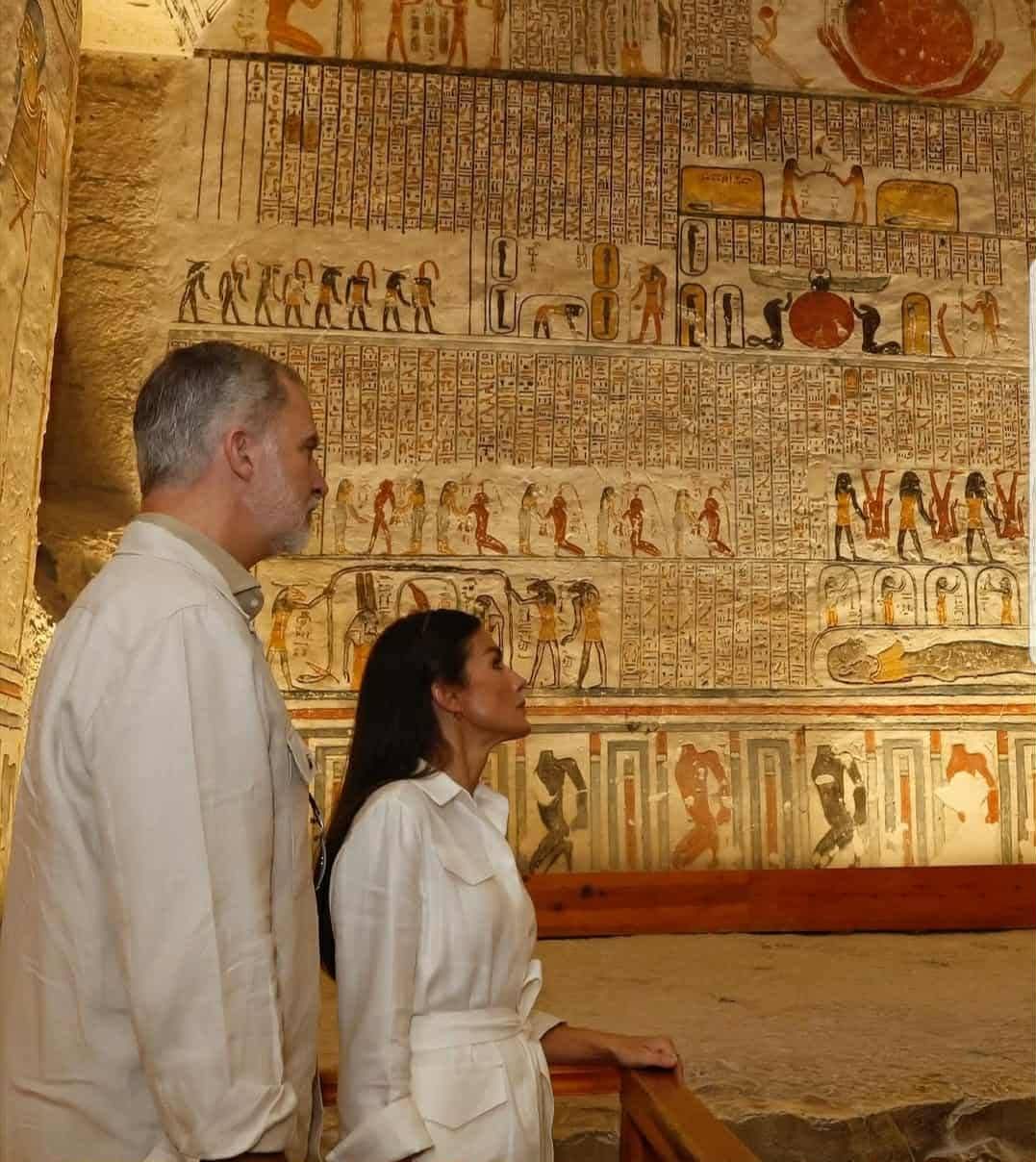
Illuminating Hatshepsut’s Temple
In the evening, beneath the shadow of the sacred cliffs of Deir el-Bahari, the Spanish monarchs arrived at Queen Hatshepsut’s Temple for a majestic finale.
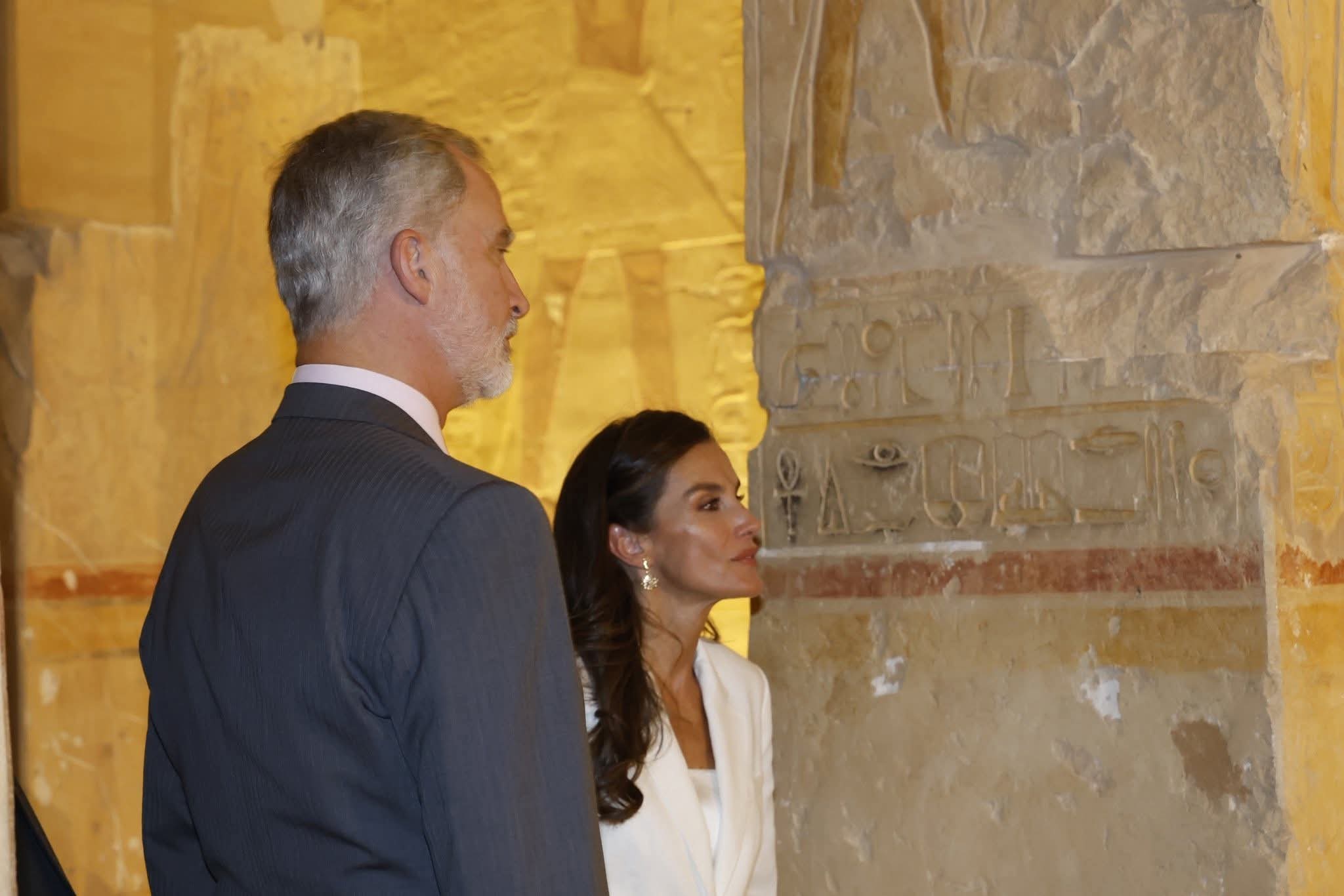
There, alongside Egypt’s Minister of Tourism and Antiquities Sherif Fathy, they inaugurated the new nighttime illumination project, casting the ancient colonnades in a dramatic golden glow, a revival of grandeur for one of Egypt’s most iconic temples.
This large-scale lighting initiative was carried out by a consortium of Spanish companies, including Tragsa and ISDEFE, as part of an ambitious plan to enhance and modernize Luxor’s archaeological sites.
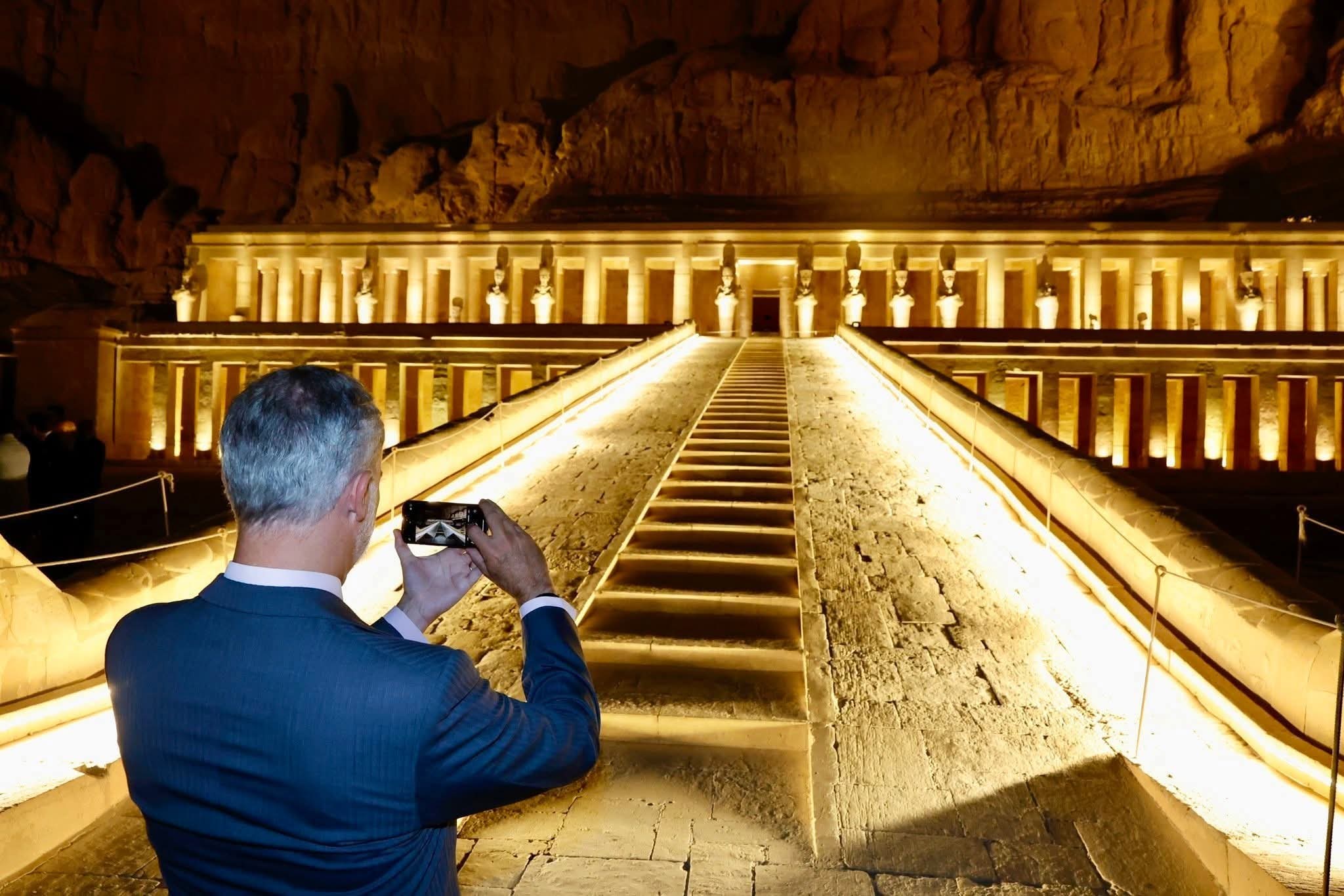
The project not only extends visiting hours into the evening, allowing for night tours under the stars, but also boosts site security and contributes to the revitalization of Egypt’s tourism sector.
King Felipe and his queen took commemorative photos and even a selfie at the foot of Queen Hatshepsut’s temple, their presence echoing across millennia in the embrace of the Theban mountains.
Their tour across Luxor’s temples and tombs was more than a diplomatic gesture; it was a bridge between two ancient cultures, affirming the magnificence of Egyptian civilization and its unique appeal to the world.
Receiving the king, Luxor’s Governor Abdel Motaleb Emara described the royal visit as a powerful message to the global community about Egypt’s safety, stability, and cultural richness.

Be Social




Comments
Leave a Comment