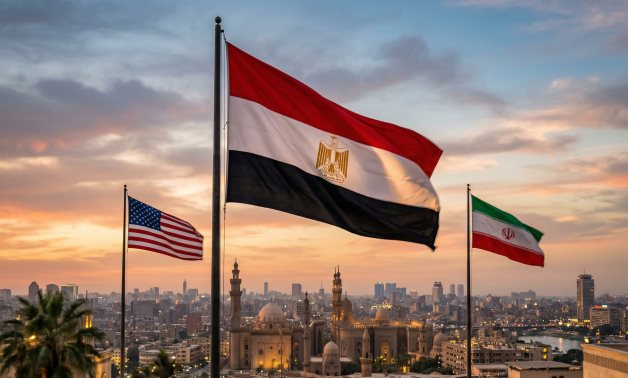
Through intensive talks with regional and global partners, Cairo is pushing to transform a temporary truce into lasting stability.




CAIRO, April 8, 2026: Egypt has exerted, and continues to exert, relentless diplomatic efforts to halt the escalation of the U.S.-Israeli-Iranian war, positioning itself as a central pillar of regional stability and a consistent advocate for diplomacy over confrontation.
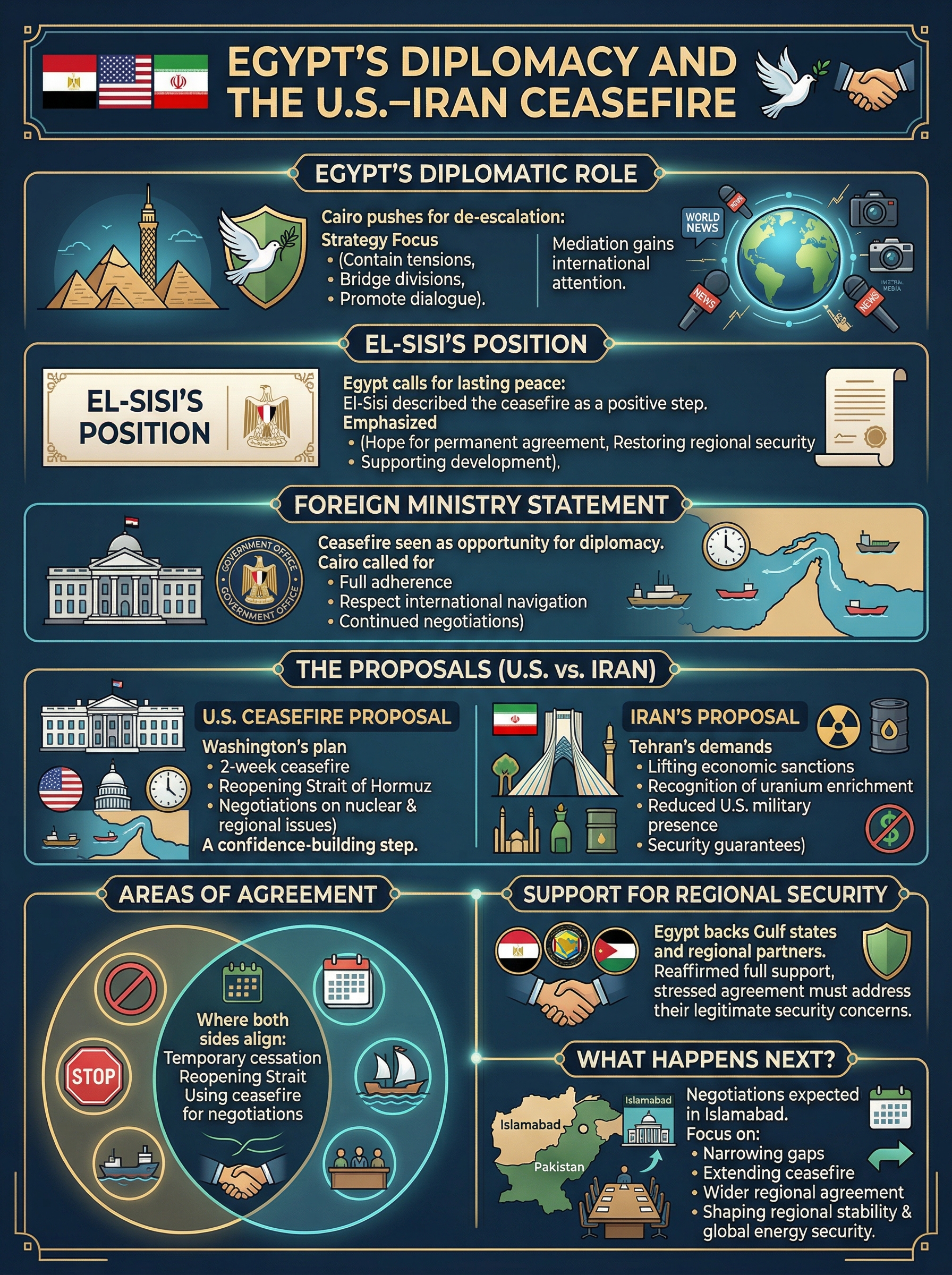
From the earliest moments of the crisis, Cairo mobilized its political, diplomatic and strategic channels to prevent the conflict from spiralling into a full-scale regional war. Through continuous engagement with regional and international actors, Egypt has worked to contain tensions, bridge divisions and promote dialogue as the only viable path toward lasting peace.
Its approach combines swift diplomatic action with a clear strategic vision rooted in preserving regional security, safeguarding Arab sovereignty and preventing further destabilization in an already volatile geopolitical landscape.


Reporting by the news platform Axios underscored Egypt’s pivotal diplomatic role in narrowing differences between the United States and Iran and helping pave the way for a ceasefire agreement.
In a post on X, Axios political reporter and Middle East expert Barak Ravid noted that while Pakistan led mediation efforts, Egypt’s engagement proved crucial in securing tangible progress, not only in the U.S.-Iran track but also in relation to Gaza.
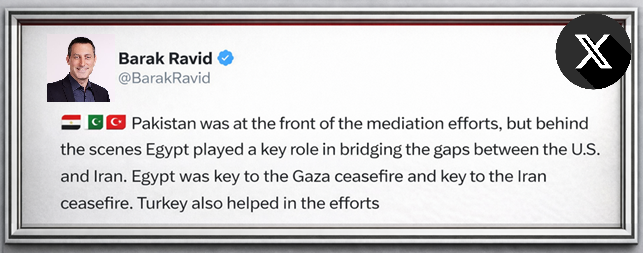
Türkiye was also cited as contributing to the broader diplomatic push, reflecting a coordinated regional effort to de-escalate tensions and advance stability through dialogue.
This alignment of regional actors highlights Egypt’s diplomatic weight and its ability to serve as a trusted interlocutor capable of facilitating communication between conflicting parties, even amid highly complex geopolitical dynamics.

At the highest level of leadership, President Abdel Fattah El-Sisi articulated Egypt’s stance following the ceasefire announcement.
The Egyptian leader said he had followed the announcement of a ceasefire between the United States and Iran, describing it as a development that brings relief to millions of people around the world seeking peace and stability.
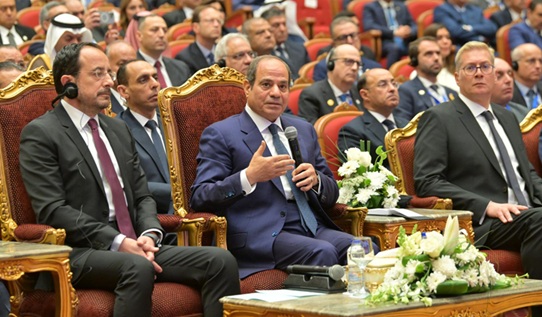
El-Sisi expressed hope that the step could evolve into a permanent agreement capable of ending the war, restoring security and stability and fulfilling the region’s aspirations for development and prosperity.
He reaffirmed Egypt’s full and unconditional support for Gulf Cooperation Council countries, as well as Jordan and Iraq, stressing that any future agreement must take into account their legitimate security concerns.
The president also commended the decision to prioritize reason and humanity and called on all parties to engage seriously in negotiations aimed at achieving lasting peace and peaceful coexistence.
He concluded by affirming that Egypt, its leadership, government and people, will continue dedicating every sincere effort to ending conflicts and establishing a just and comprehensive peace across the region and beyond.
Parallel to the presidency’s position, Egypt’s Foreign Ministry welcomed the announcement of a two-week suspension of military operations, describing it as a significant step toward de-escalation and the preservation of regional and global stability.
The ministry emphasized that both the temporary pause and Iran’s response represent a critical opportunity to advance diplomacy and constructive dialogue, long championed by Egypt as the cornerstone of peaceful conflict resolution.
Cairo also called for building on the momentum through full adherence to the ceasefire and respect for international navigation while reaffirming its support for ongoing peace initiatives and coordination with regional partners, including Pakistan and Türkiye.
The statement stressed the inviolability of the sovereignty of Gulf states and Jordan, rejecting any violations and underscoring that future agreements must address their legitimate security concerns.
In a phone call on April 8, Egypt’s Foreign Minister Badr Abdelatty and U.S. Special Envoy to the Middle East Steve Witkoff discussed the diplomatic developments.
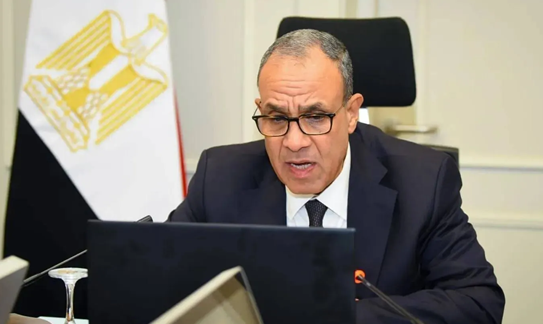
Abdelatty expressed appreciation for the U.S. step, noting that it opens the door for serious negotiations between Washington and Tehran.
For his part, Witkoff praised Egypt’s sustained efforts, alongside Pakistan and other regional partners, in reaching the ceasefire and launching a viable negotiation process.
Egypt’s diplomatic coordination also extended to direct engagement with Pakistan.
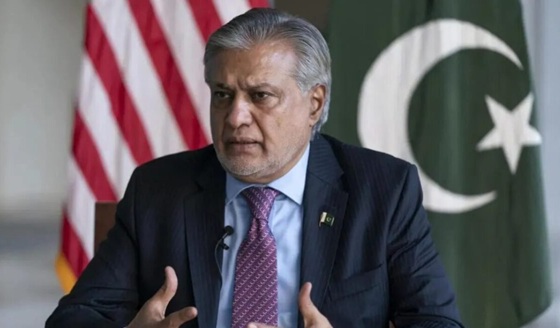
In a crucial call held hours before the ceasefire announcement, Abdelatty spoke with Pakistan’s Prime Minister and Foreign Minister Mohammad Ishaq Dar to review the rapidly evolving regional situation.
Both sides stressed the importance of respecting the sovereignty and territorial integrity of Gulf states, Jordan and Iraq while emphasizing that diplomacy remains the only effective means of preventing a broader regional conflict.
Egypt also participated in a high-level quadrilateral meeting in Islamabad alongside Pakistan, Türkiye and Saudi Arabia.
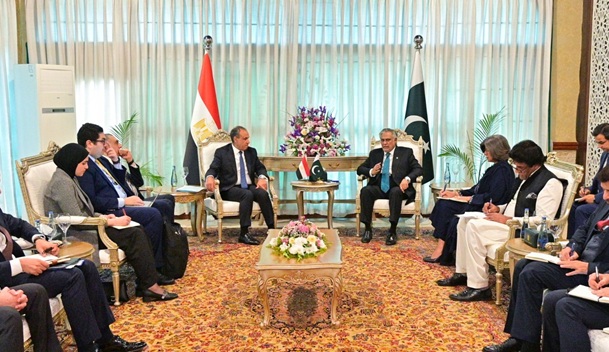
The discussions focused on the dangers posed by the military escalation and the urgent need to intensify diplomatic efforts to de-escalate tensions.
Participants also examined the economic consequences of the conflict, including its impact on global shipping routes, supply chains, food security and energy markets amid rising oil prices.
Since the outbreak of the conflict, President El-Sisi has led a sustained diplomatic campaign to contain the crisis.
Beginning March 1, he held calls with the leaders of Bahrain, the United Arab Emirates, Qatar, Kuwait, Jordan and Iraq, reaffirming Egypt’s rejection of violations of Arab sovereignty and calling for de-escalation.
This diplomatic momentum continued with consultations with European and regional leaders, including France, Cyprus and the UAE.
Subsequent discussions also included direct communication with Iran’s president, during which Egypt reiterated its rejection of escalation and expressed readiness to support mediation efforts.
Egypt’s commitment was further demonstrated through high-level visits across the Gulf.
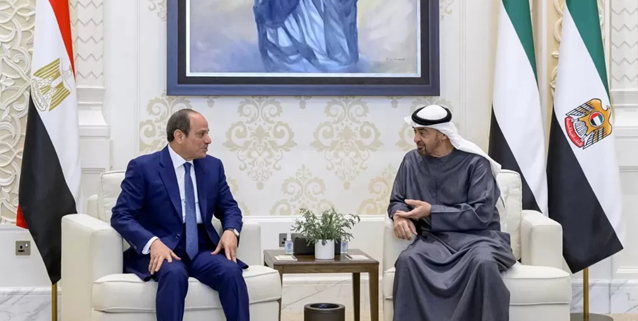
On March 19, President El-Sisi visited the United Arab Emirates and Qatar, followed by visits to Bahrain and Saudi Arabia on March 21.
These visits underscored Egypt’s firm support for Gulf security and its commitment to strengthening collective regional coordination.
Complementing the presidency’s efforts, Egypt’s Foreign Minister undertook a diplomatic tour across key Arab capitals, including Qatar, the UAE, Oman, Jordan and Saudi Arabia.
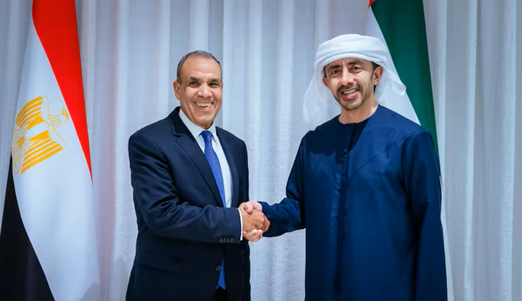
The tour emphasized coordination among Arab states, the need to contain escalation and the importance of preserving regional security.
Following the tour, President El-Sisi reviewed the outcomes and reiterated Egypt’s unwavering support for Gulf stability and diplomatic solutions.
Throughout the crisis, Egypt has maintained a consistent position centered on de-escalation, dialogue and respect for sovereignty.
Cairo has repeatedly emphasized that protecting the security of Gulf states, Jordan and other regional partners is both a strategic priority and a moral responsibility.
As the region faces a critical moment, Egypt continues to advocate diplomacy over confrontation, presenting itself as a stabilizing force committed to preventing conflict and promoting lasting peace.


Be Social




Comments
Leave a Comment