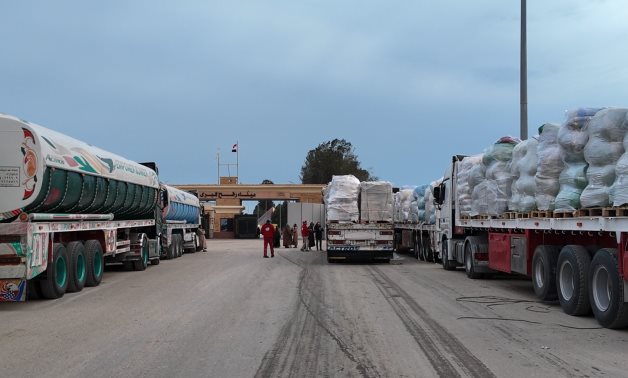




CAIRO – 9 March 2026: The 152nd convoy of humanitarian aid trucks began entering the Gaza Strip through the Rafah border crossing on Monday, heading toward the Kerem Abu Salem and Auja crossings in preparation for final entry into the Strip.
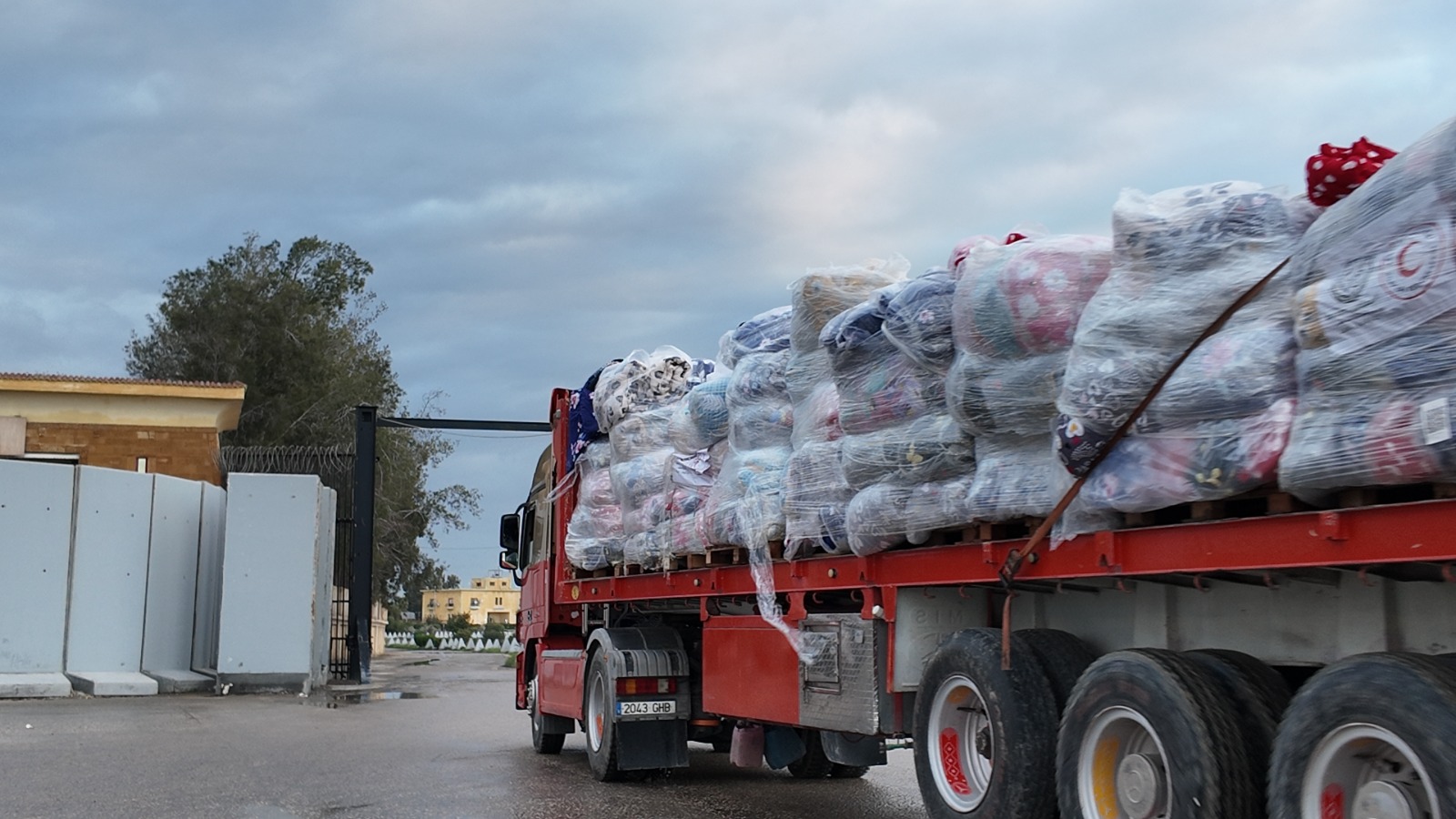
An official source stated that the trucks—part of the "Zad Al-Izza from Egypt to Gaza" convoy—are carrying significant quantities of food and relief supplies. The convoy transported over 3,680 tons of comprehensive humanitarian aid, including approximately 1,530 tons of food baskets and flour, over 525 tons of relief and personal hygiene supplies, and more than 1,625 tons of petroleum products required to operate hospitals and vital facilities within the Gaza Strip.
The Egyptian Red Crescent (ERC) has also reinforced its delivery of essential winter supplies, including over 3,640 winter clothing items, 13,920 mattresses, and approximately 1,135 tents to provide shelter for those affected. These contributions are part of Egypt's ongoing efforts to support Gaza.
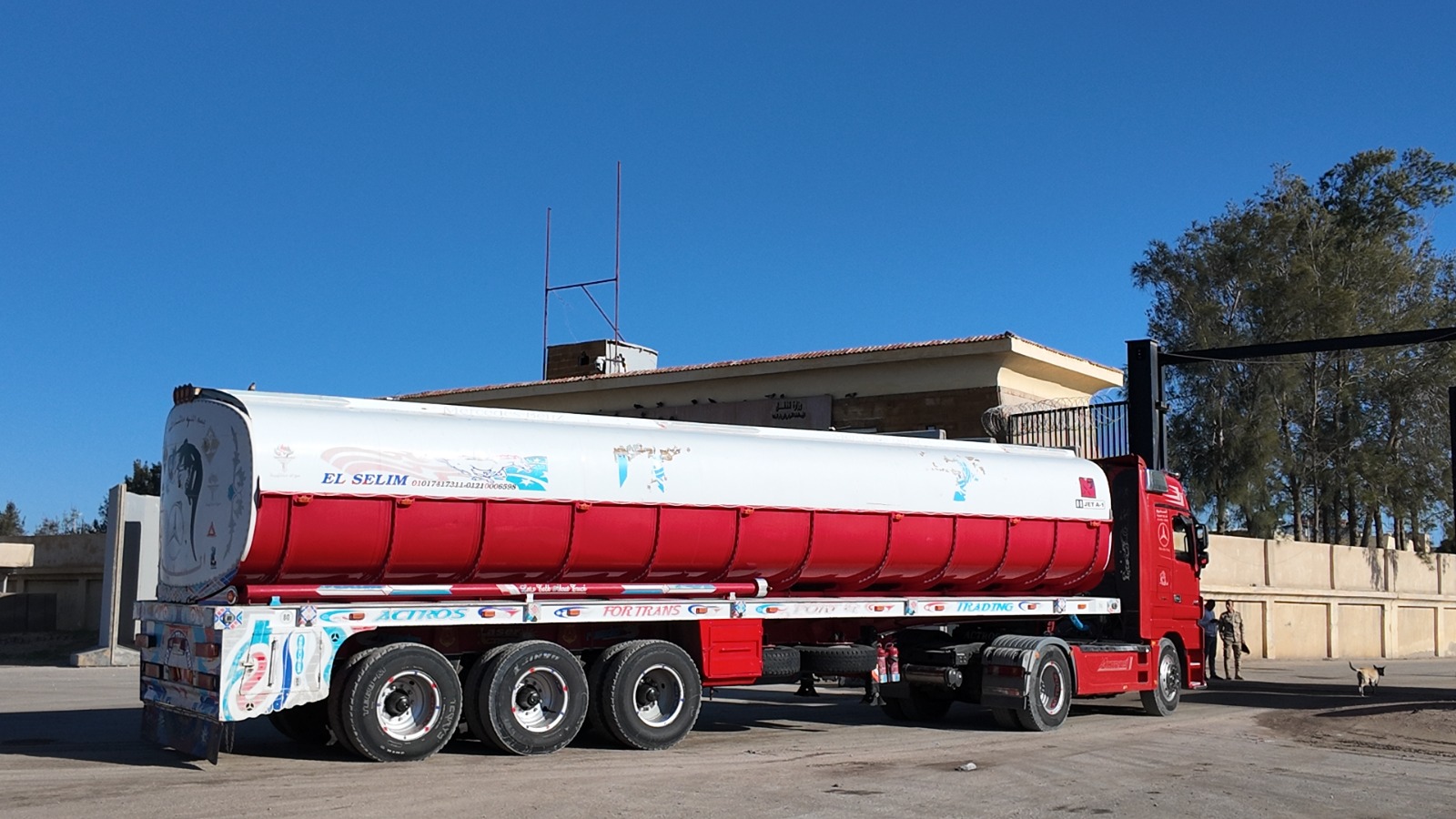
The ERC has maintained a constant presence at the border since the beginning of the crisis, as the Rafah crossing has remained open from the Egyptian side. The organization has ensured its readiness across all logistical centers, successfully delivering over 800,000 tons of humanitarian and relief aid to date, supported by the dedicated efforts of more than 65,000 volunteers.
On March 2, 2025, Israeli occupation forces closed the crossings connecting the Gaza Strip after the first phase of the ceasefire agreement concluded without a formal extension. Following this, the truce was broken by heavy aerial bombardment on March 18, 2025, leading to the re-invasion of several areas from which forces had previously withdrawn.
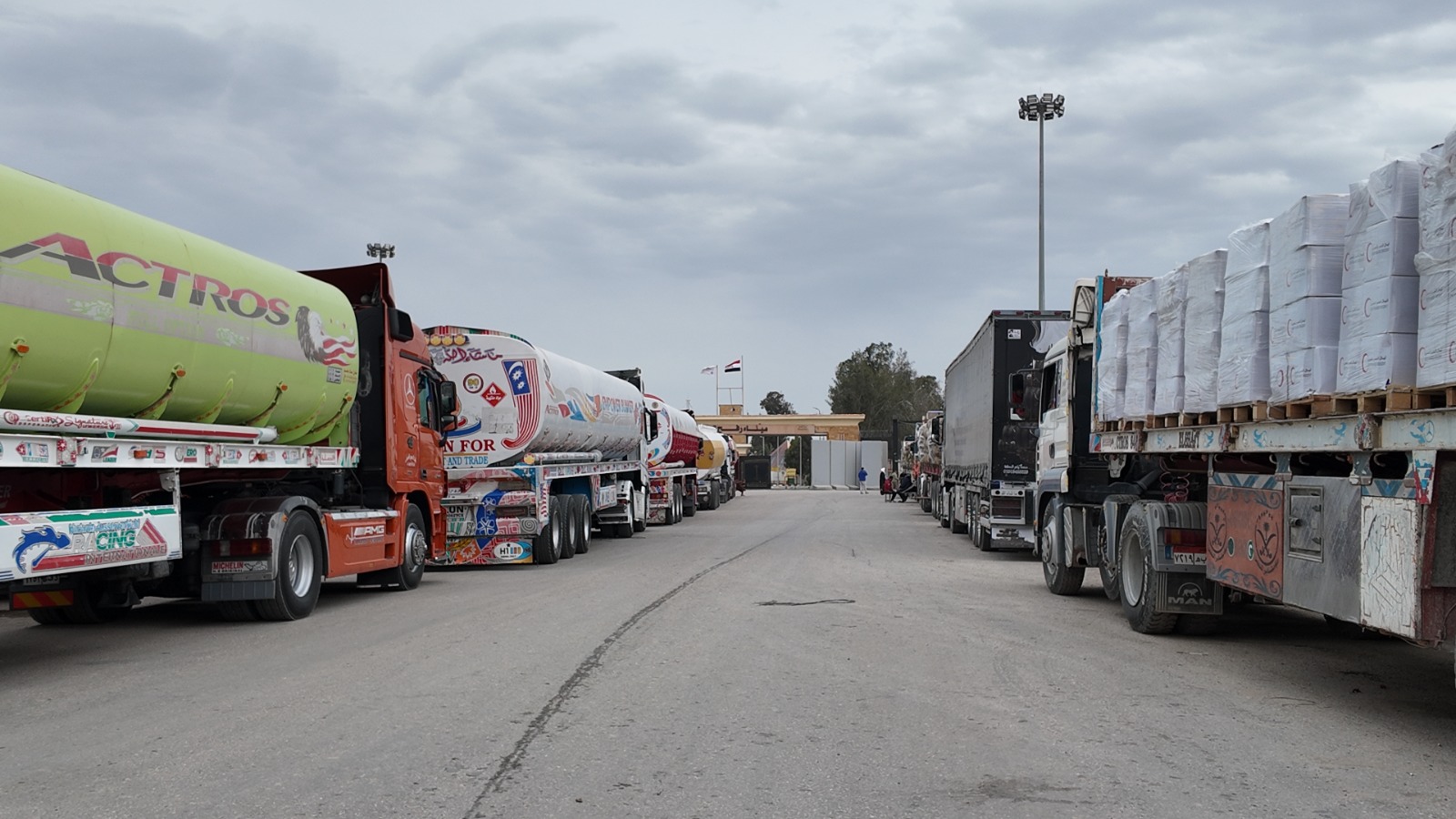
During this period, occupation authorities obstructed the entry of trucks carrying humanitarian aid, fuel, and shelter supplies for those displaced by the conflict. Furthermore, they denied the entry of heavy machinery required for debris removal and reconstruction efforts. Aid deliveries eventually resumed in May 2025 under a mechanism implemented by the occupation authorities and an American security firm.
The Israeli army later announced a temporary 10-hour ceasefire on Sunday, July 27, 2025, suspending military operations in designated parts of the Gaza Strip to facilitate the delivery of essential aid.
Mediators from Egypt, Qatar, and the United States have continued their efforts to secure a comprehensive ceasefire agreement and a prisoner exchange. These efforts culminated in an agreement between Hamas and Israel on the first phase of a ceasefire, based on the Sharm el-Sheikh plan proposed by U.S. President Donald Trump and brokered by Egypt, the U.S., and Qatar, with additional Turkish mediation.
The second phase of the agreement went into effect on Monday, February 2, 2026, following the completion of the prisoner and detainee exchange and the return of the remains of the final Israeli detainee, as stipulated in the initial phase. This stage included reopening the Palestinian side of the Rafah border crossing, allowing Palestinians to enter the Gaza Strip and permitting the wounded to travel to Egyptian hospitals for medical treatment.

Be Social




Comments
Leave a Comment