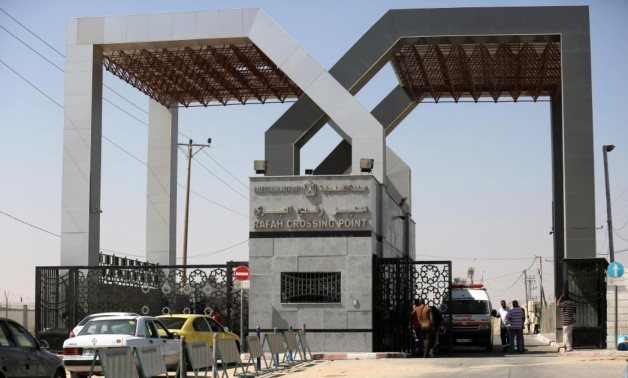
Rafah border crossing
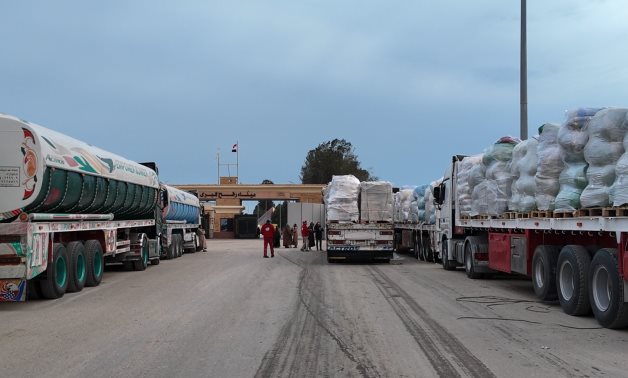
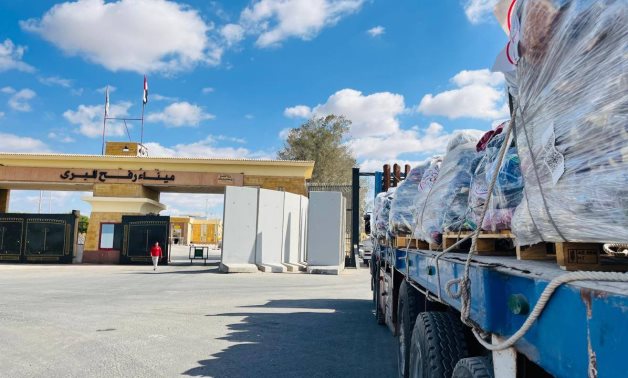
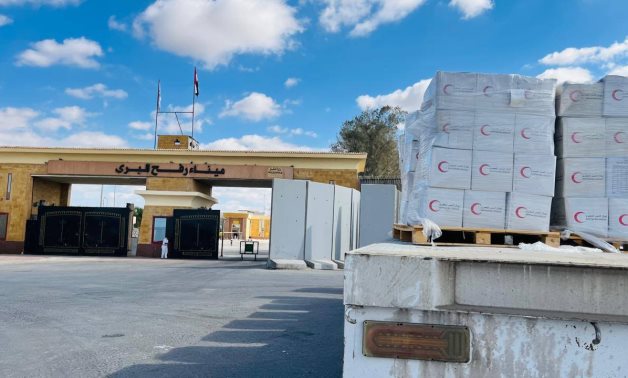
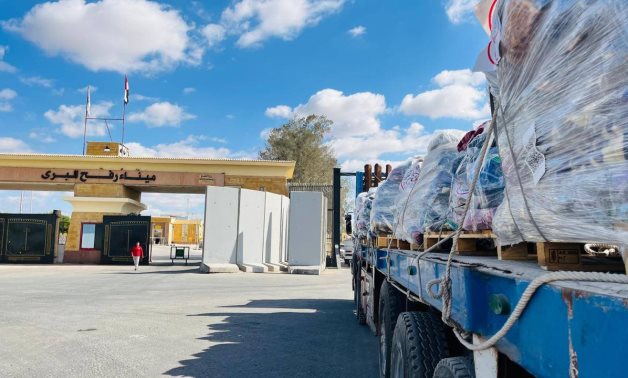
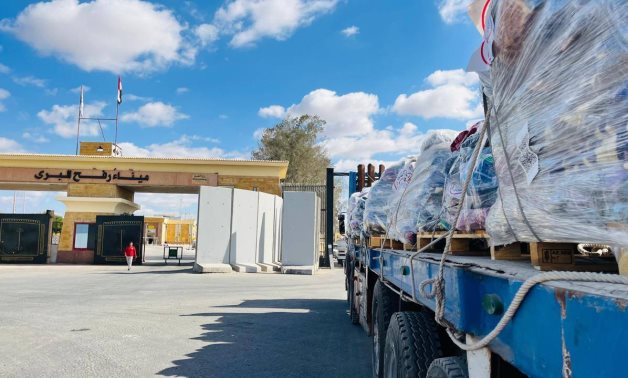
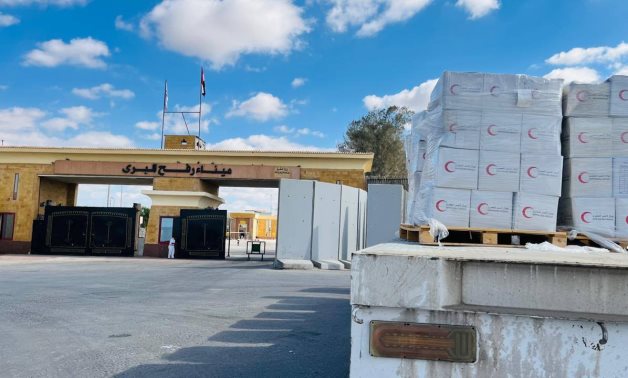
The 152nd convoy of humanitarian aid trucks began entering the Gaza Strip through the Rafah border crossing on Monday, heading toward the Kerem Abu Salem and Auja crossings in preparation for final entry into the Strip.
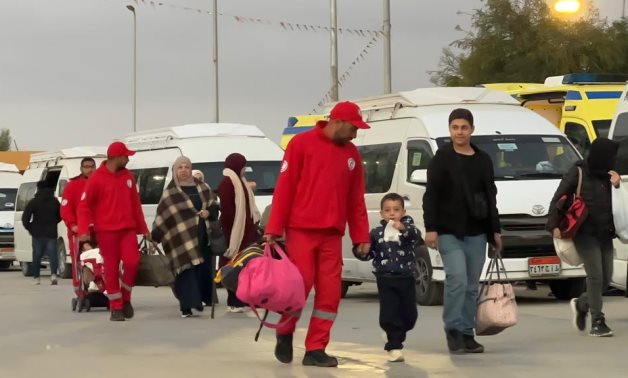
The group included women, children, and elderly individuals. Teams from the Egyptian Red Crescent (ERC) were deployed at the crossing to facilitate their return in coordination with the relevant authorities.
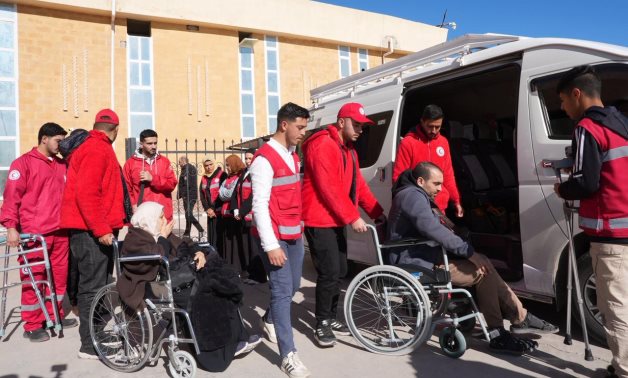
Egyptian authorities have prepared to receive another group of wounded and ill Palestinians from Gaza for treatment in Egyptian hospitals, officials said.
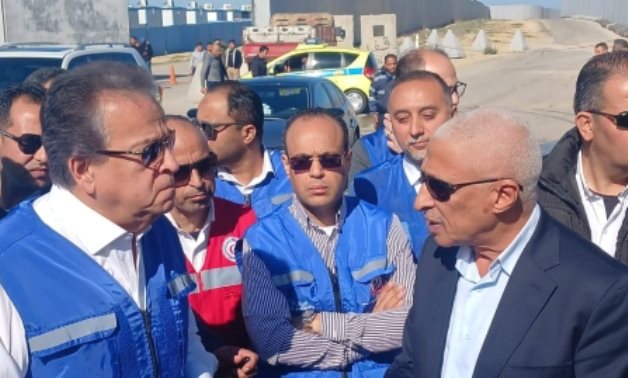
Deputy Prime Minister and Minister of Health and Population Khaled Abdel Ghaffar inspected the Rafah border crossing Thursday to monitor medical services provided to injured Palestinians.
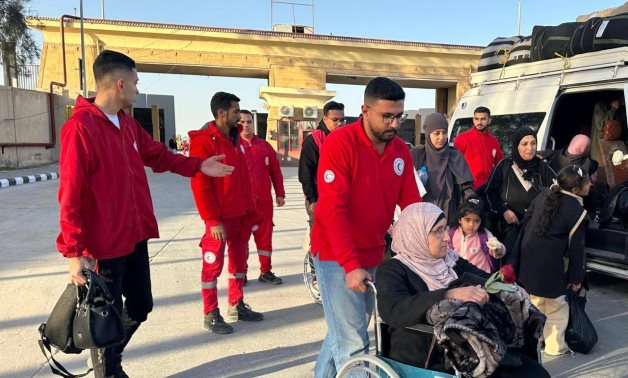
Egyptian authorities have prepared to receive another group of wounded and ill Palestinians from Gaza for treatment in Egyptian hospitals, officials said.
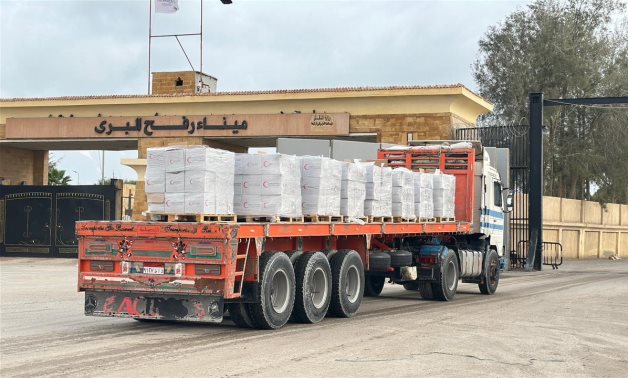
The Rafah crossing has reopened on a “trial basis,” Tel Aviv said on Sunday, after Israeli forces has largely blocked this vital gateway since May 2024, depriving scores of Gazans wounded during the Israeli war to leave for treatment.
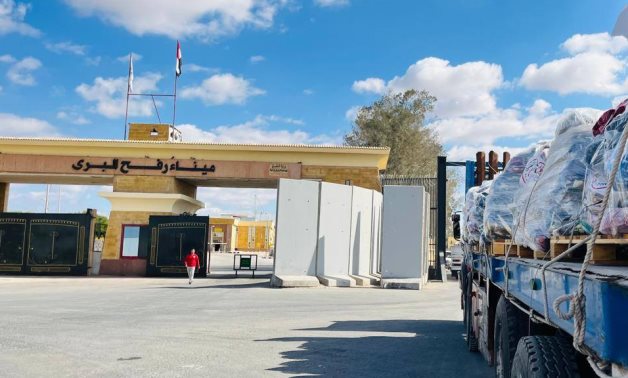
Egypt is strictly adhering to a “one Palestinian out, one Palestinian in” policy at the Rafah border crossing with Gaza, journalist and analyst Osama Al-Dalil said.
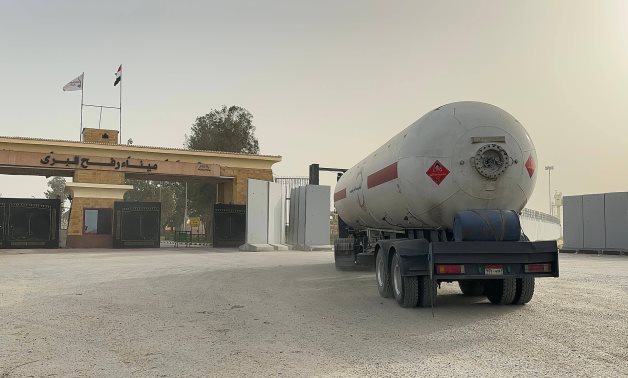
The convoy passed through the subsidiary gate of the Rafah border crossing in Egypt’s North Sinai Governorate and is heading toward the Karm Abu Salem crossing for delivery into the enclave.
The crossing is expected to reopen in the coming days to allow the movement of Palestinians into and out of Gaza after months of Israeli blockade during a deadly war that pushed the enclave toward famine.
He described the reopening of the crossing as a significant step, stressing that Gaza is moving toward a “brighter future” and urging broad local and international cooperation.
“At first they said the Rafah crossing was not operating from the Egyptian side, and that was a big lie,” the foreign minister said.
Speaking at a Doha Forum panel on global responsibility and pathways to peace in Gaza, Abdelatty said stabilising a ceasefire remains the top priority as a necessary step toward moving to the second phase of the plan.
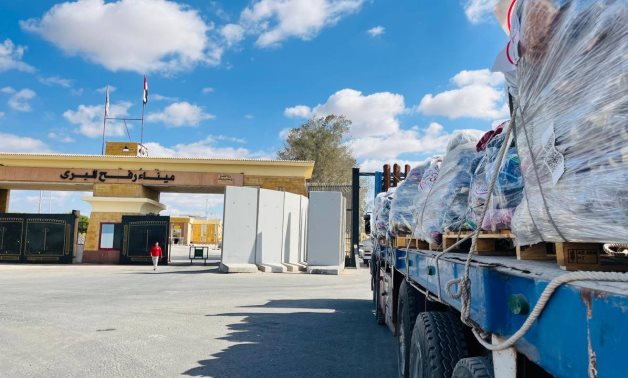
A statement cited by the State Information Service (SIS) said that if an agreement is reached to open Rafah, the crossing will operate in both directions, for entry and exit, in line with US President Donald Trump’s plan.
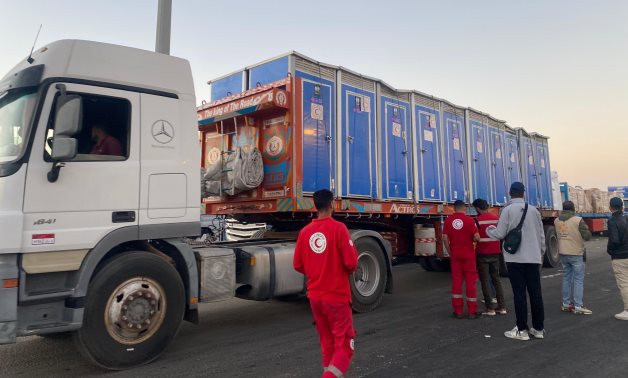
Humanitarian aid trucks entered on Monday through the side gate of Rafah Border Crossing in North Sinai toward Al-Ouja and Karm Abou Salem crossings, as part of the 59th convoy of “Zad Al-Ezza - From Egypt to Gaza.”
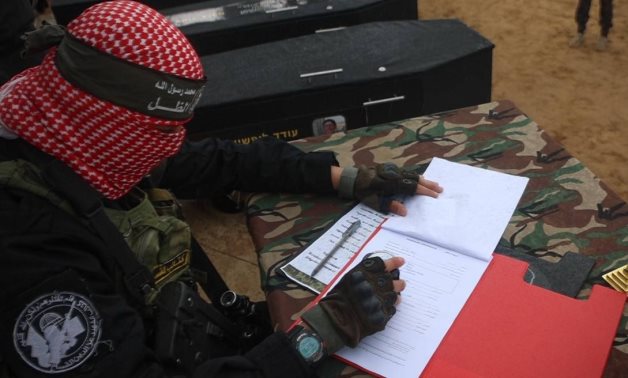
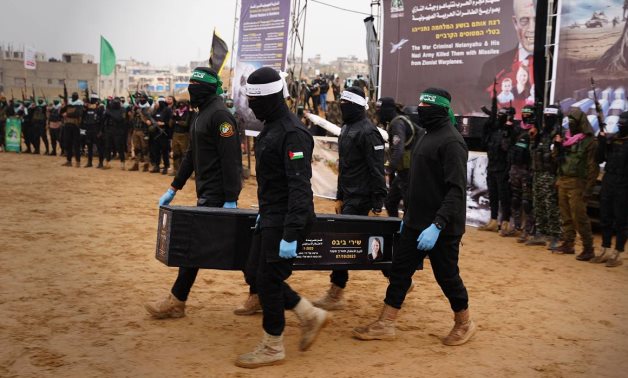
According to a post on X, the coffins were being transferred to Israeli army personnel and Shin Bet officers stationed in the enclave.
Hamas said Israeli Prime Minister Benjamin Netanyahu’s decision constitutes a “flagrant breach” of the ceasefire terms and a “denial of commitments that he made before mediators and guarantors.”
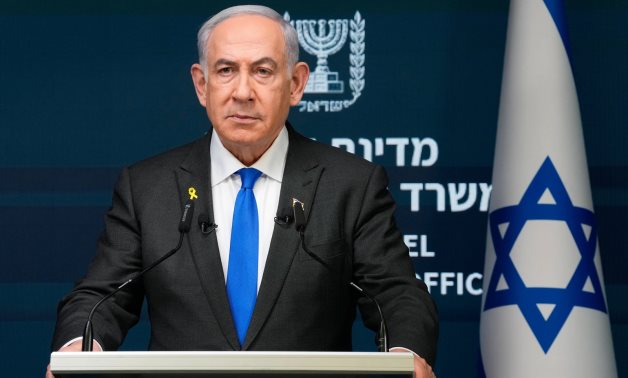
Netanyahu’s office said that the crossing’s reopening “will be under consideration in accordance with the manner in which Hamas implements its part in return of the deceased hostages and implementation of the agreed upon framework.”
The embassy urged all Palestinians wishing to travel to register their information, including full name, date of birth, passport number if available, ID number, and mobile phone number, via WhatsApp at 01223301974.
Israel also shelved previously planned punitive measures against Hamas, which had included cutting in half the number of aid trucks entering Gaza, Israeli public broadcaster Kan reported on Wednesday.
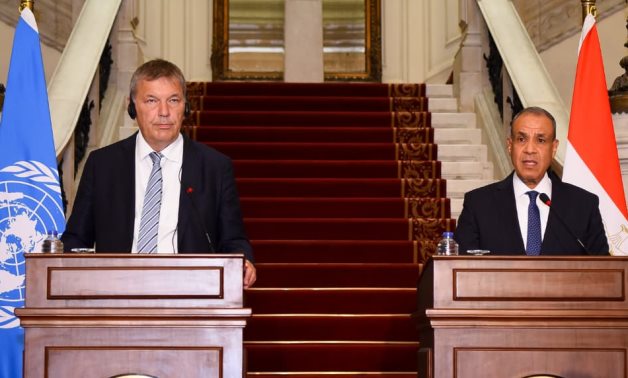
"The issue of displacement is a red line for Jordan, a red line for Egypt, and a red line for the Arab countries, and it will not be allowed under any circumstances," Abdelatty stressed. He continued: "The famine is a human-made, occupation-caused phenomenon aimed at forcing Palestinians to leave their land. It is absurd to say that there is a voluntary exodus. The Palestinian people cling to their land and national soil and do not wish to leave."