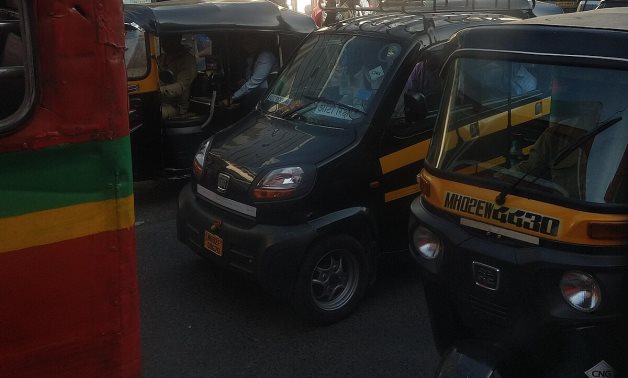
Bajaj Qute and the three-wheeled rickshaw being used at Andheri Station, Mumbai. CC/Srikanth Ramakrishnan/BESTpedia




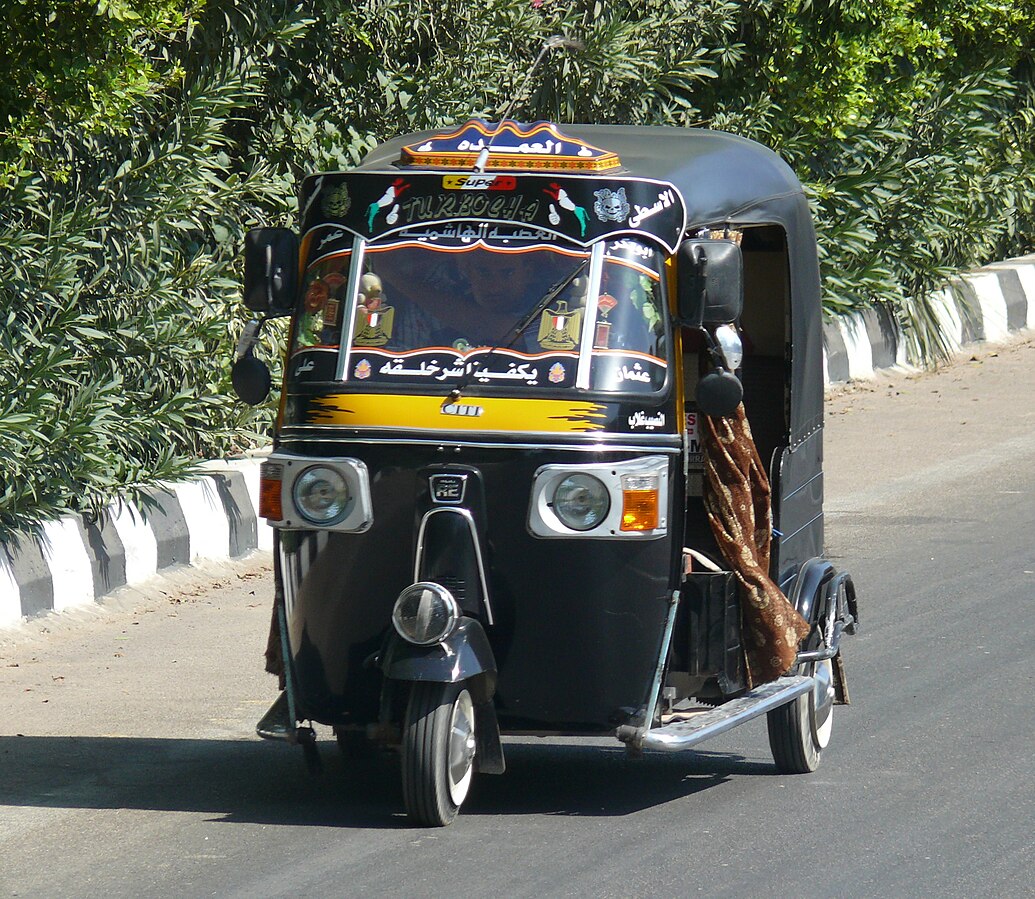
CAIRO – 29 November 2025: Cairo authorities are preparing to launch a plan to phase out tuk-tuks (three-wheeled rickshaws) and replace them with a small, street-legal quadricycle, in an effort to reinforce order in the capital’s roads and improve public safety.
What is happening?
Speaking to Egypt Today, Cairo Governor Ibrahim Saber said the governorate will “within days” announce full details of a new initiative that offers drivers a vehicle to replace tuk-tuks, along with installment-based payment programs designed to encourage participation.
The move comes as the governor reported spotting tuk-tuks driven by children during an inspection in Hadaiq Al-Qubba, violations he said threaten passenger and pedestrian safety and breach the ban on tuk-tuk movement on major roads.
What is the replacement vehicle?
The proposed alternative is the Qute quadricycle, produced by Indian manufacturer Bajaj Auto and locally assembled through a partnership with Egypt’s Ministry of Military Production.
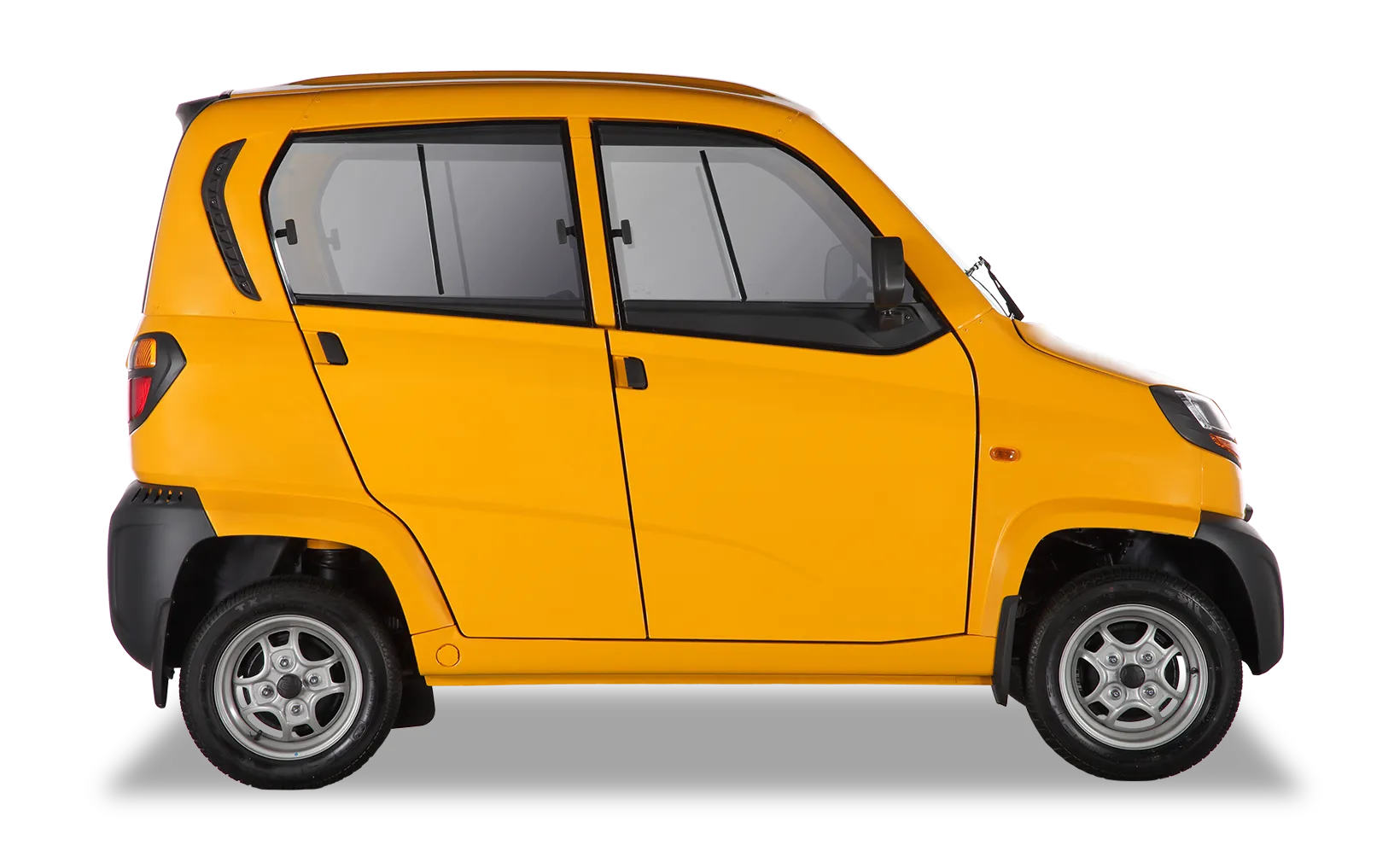
Key specifications, according to the manufacturer:
- 217cc DTSi engine producing 9.9 kW of power and 19.6 Nm of torque
- 3.5-meter turning radius, designed for dense traffic
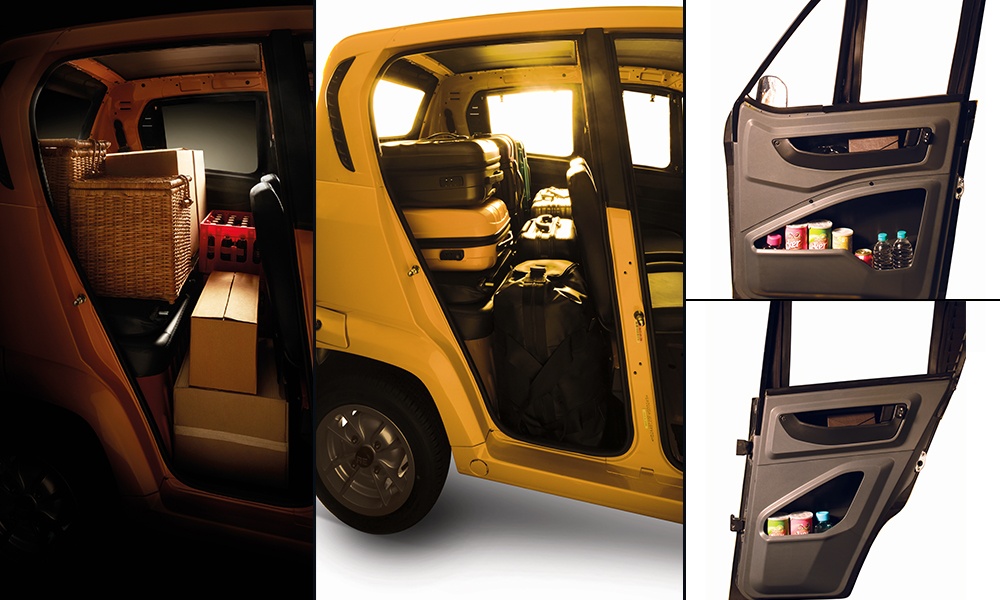
- 191 liters of internal storage; up to 850 liters with folded seats
- 40% lower CO₂ emissions than other small cars
- Runs on natural gas and gasoline, lowering operating costs
- Seats the driver plus three passengers.
The Qute is marketed as a compact, more environmentally friendly urban vehicle that offers greater stability and safety compared with traditional tuk-tuks.
Is Cairo the first governorate to take this step?
No. Giza has already begun rolling out a similar replacement system across several districts, including Al-Haram, Agouza, 6th of October, and Hadayek October.
Authorities there reported strong early demand:
- 64 replacement requests on the first day in Agouza alone
- 34 vehicles sold
- 9 licensed and registered within hours of launch
Giza officials say the locally produced vehicle meets residents’ needs for short-distance transport and provides drivers with a legal, more efficient alternative.
Participation in the program remains optional, not mandatory.
Why is the government doing this?
Tuk-tuks are already banned from operating on major roads, bridges, and key traffic corridors due to safety risks. Authorities say the new quadricycle system aims to:
- Improve road safety
- Reduce child-driven, unlicensed vehicles
- Ease congestion
- Offer drivers a formal, regulated alternative without harming their livelihoods
- Support a more “civilized” urban look for Cairo
What do drivers say?
Some early adopters have expressed satisfaction with the switch.
One Qute owner told Egypt Today he bought the vehicle immediately because of its advantages and more “urban” appearance, noting that its dual-fuel system makes it comparable to modern cars.
What incentives will be offered?
Cairo officials say drivers will receive access to:
- Financing options
- Installment plans
- Facilitated payment arrangements
- Support through the formal licensing system
These measures are designed to boost uptake and smooth the transition to what authorities describe as a more orderly, environmentally friendly transport model.

Be Social




Comments
Leave a Comment