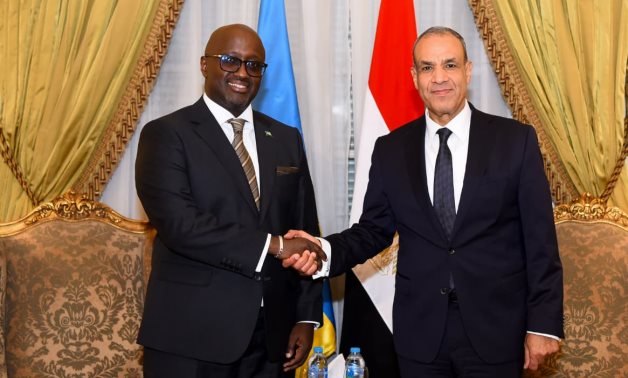
Egyptian Foreign Minister Badr Abdelatty meets Rwandan Foreign Minister Olivier Nduhungirehe on the sidelines of the Grand Egyptian Museum opening. Egypt's MFA




CAIRO – 2 November 2025: Egypt’s Minister of Foreign Affairs Badr Abdelatty emphasized the importance of cooperation under international law to safeguard the interests of all countries in the Nile Basin.
Abdelatty made the remarks in a meeting with his Rwandan counterpart, Olivier Nduhungirehe, on the sidelines of the grand inauguration of the Grand Egyptian Museum (GEM) on Saturday.
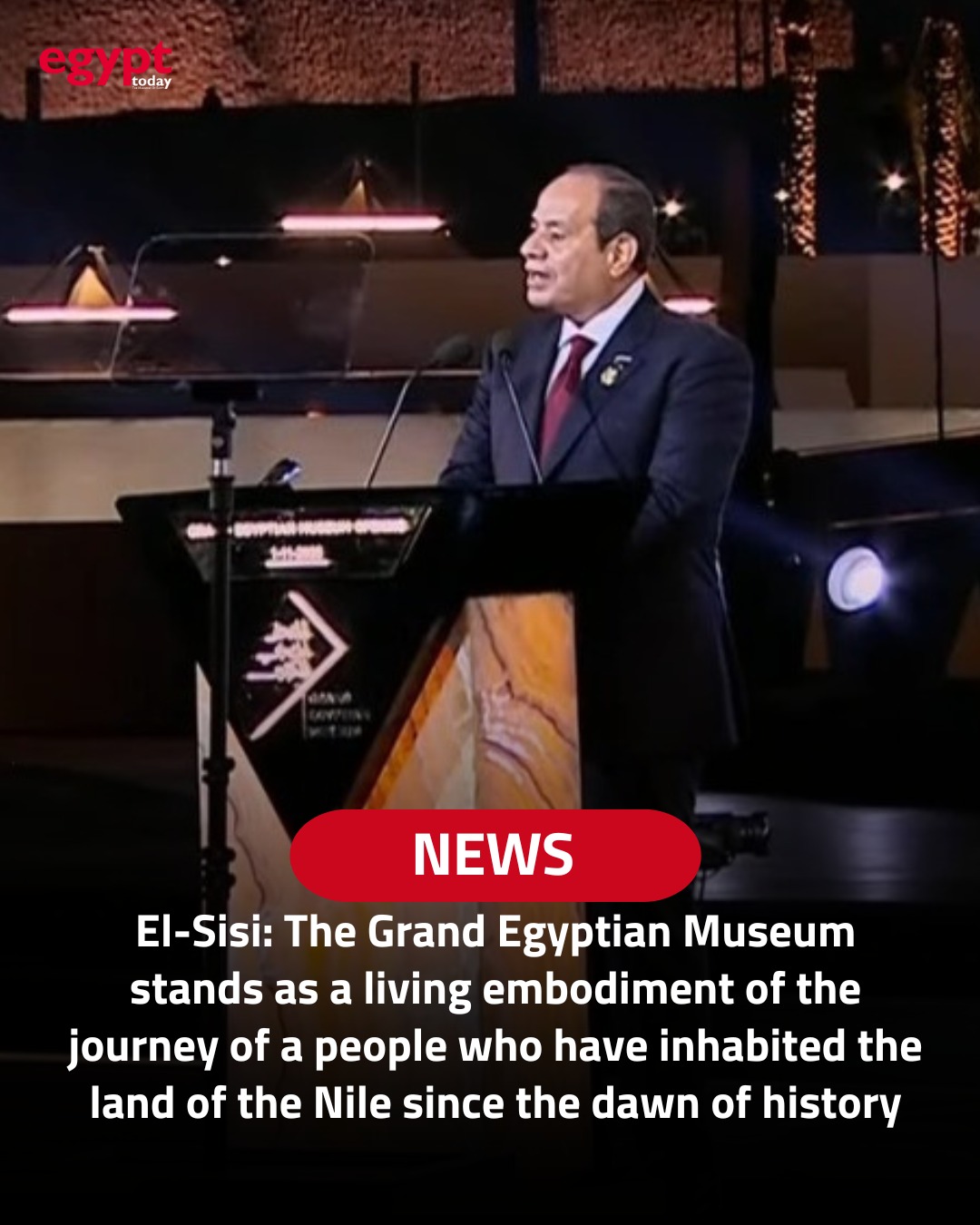
Abdelatty reaffirmed Egypt’s rejection of unilateral measures that violate international law in the Eastern Nile Basin, stressing that Egypt will take all necessary actions, in accordance with international law, to protect its water security.
Besides the water file, the two ministers discussed joint African work and topics of bilateral cooperation between Egypt and Rwanda, including the Magdi Yacoub Rwanda-Egypt Heart Center.
Abdelatty expressed Egypt’s aspiration to increase the participation of its private sector in implementing development projects in Rwanda, including dam building and infrastructure development.
He also highlighted Egyptian business interest in exploring available opportunities and incentives offered by Rwanda across various sectors, including pharmaceuticals and medical supplies, medical tourism, textiles, food products, tourism, and construction.
Abdelatty’s remarks about the Nile come while Egypt has accused Ethiopia of creating a “man-made flood” in light of the “reckless management” of the Grand Ethiopian Renaissance Dam (GERD) over the past week.
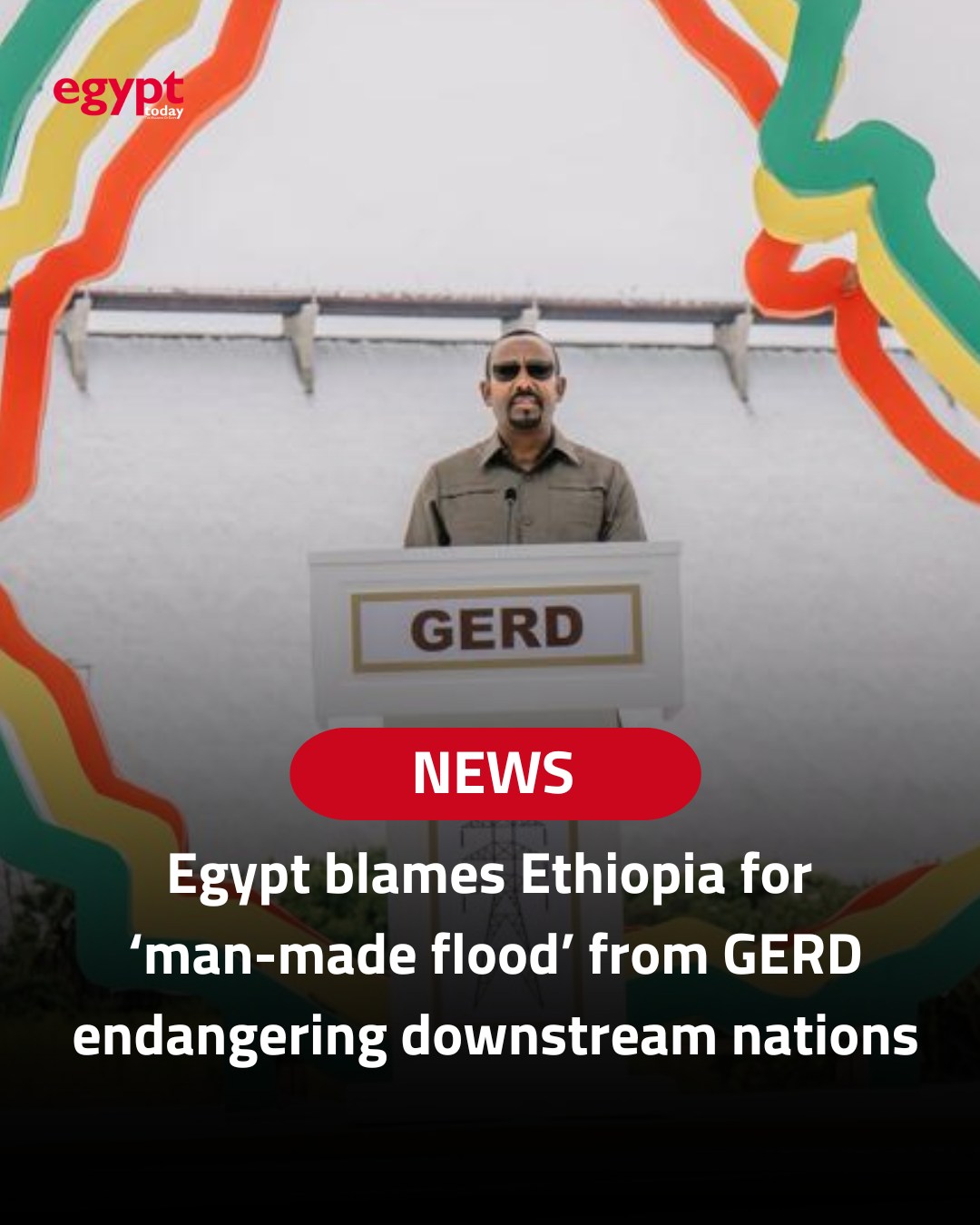
Egypt denounced Ethiopia’s “hasty and uncoordinated filling of the dam” for publicity purposes during its inauguration on September 9, saying irregular dam discharges “placed the lives and resources of the populations of the two downstream countries (Egypt and Sudan) at risk.”
Egypt and Sudan have long condemned Addis Ababa’s filling and operation of the mega dam without a legally-binding agreement that ensures the water rights of both downstream nations and protect their populations during the periods of extended drought.

Be Social




Comments
Leave a Comment