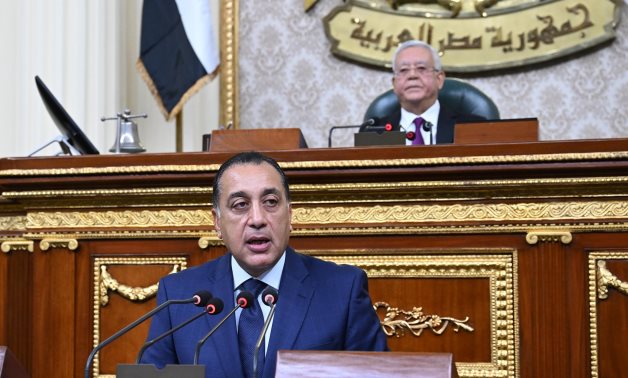
Egyptian Prime Minister Mostafa Madbouly addresses the House of Representatives regarding the draft Criminal Procedures Law, 1 October 2025 - Cabinet




CAIRO – 1 October 2025: Prime Minister Mostafa Madbouly addressed the House of Representatives regarding the draft Criminal Procedures Law, outlining the reasons behind President Abdel Fattah El‑Sisi’s decision to return it to Parliament for further review.
In his statement during the opening gathering of the House’s sixth legislative session on Wednesday, Madbouly commended the efforts exerted by the parliament and government over years to chart the provisions of the draft bill in a balanced way.
“This draft law culminates years of dialogue, studies, and consultation, involving multiple parties, with the aim of modernizing Egypt’s criminal procedures system in line with the constitution and Egypt’s international commitments,” said the prime minister.
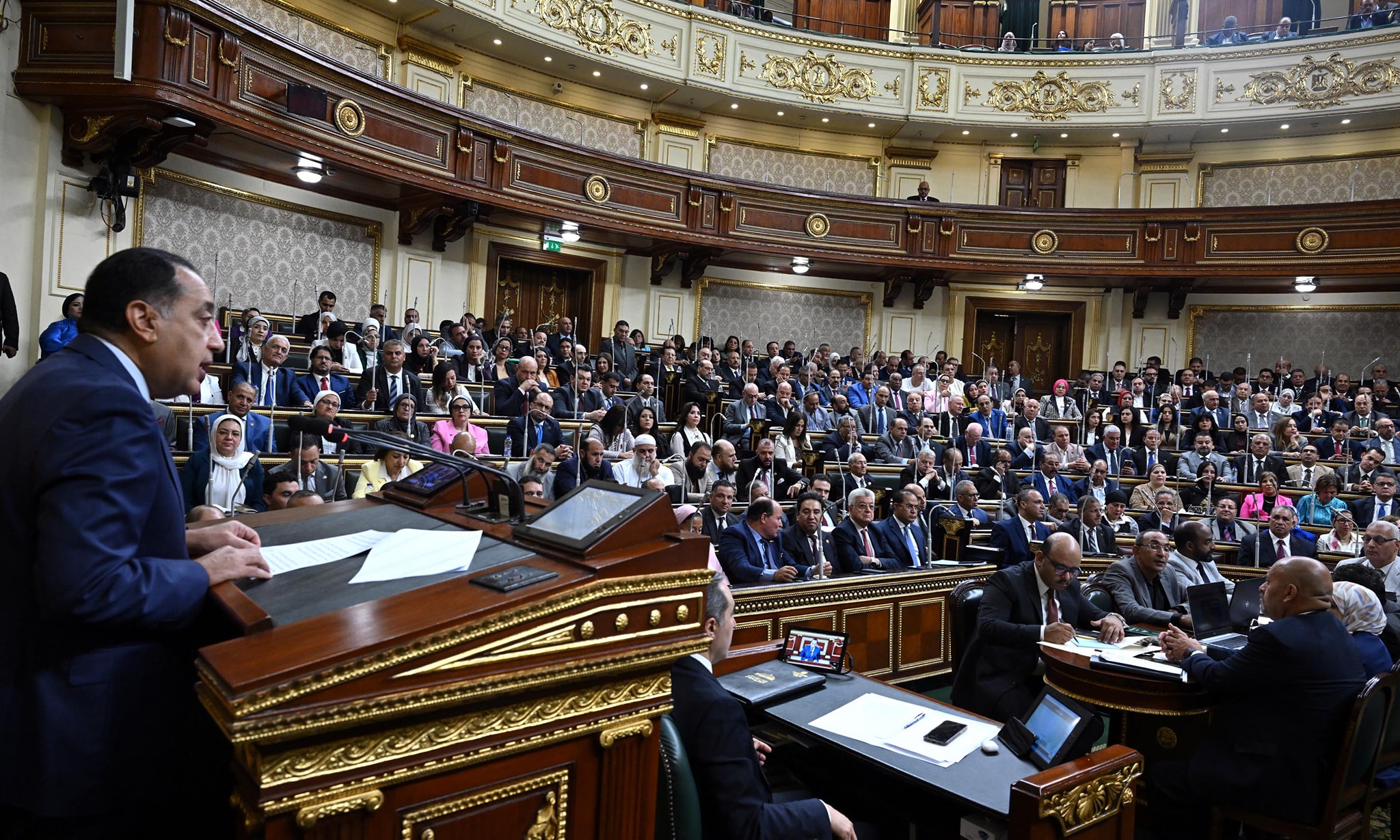
However, President Sisi sees that “additional safeguards can be added and clarifications provided to enhance the text, thereby contributing to placing Egypt among the nations where the rule of law prevails,” he added.
Madbouly affirmed that the president’s observations on the draft bill reflect the political leadership’s dedication to safeguarding rights and freedoms in all their forms.
The observations also underline the importance of issuing laws that embody the aspirations of the Egyptian people and Egypt’s leading role in building a modern, exemplary justice system, he added.
The prime minister emphasized that the Criminal Procedures Law aims to strike a careful balance between ensuring the supremacy of law, protecting citizens’ rights and freedoms, and preserving the society’s security and stability.
He recalled that this is not the first time a law has been returned to Parliament after final approval, citing the tax justice law of 1978 and the clinical medical research regulation law of 2020 as precedents.
What Happened?
Last month, President Abdel Fattah El-Sisi directed that the draft Criminal Procedure Law be returned to the House to review objections to some of its articles.
The law had been sent to the presidency on August 26 for approval. However, the president received numerous appeals urging reconsideration of certain provisions, the spokesman noted.
The contested articles relate to issues of governance, clarity, and practicality.
These provisions need to be re-examined to ensure stronger guarantees for the sanctity of homes and for defendants’ rights during investigation and trial, according to the presidency.
The review is also needed to expand alternatives to pre-trial detention, minimizing reliance on it, and removing ambiguities in legal drafting that could result in multiple interpretations or enforcement challenges, according to the appeals.
According to the presidency, additional time should be given to ministries and relevant authorities to prepare for the implementation of the law’s new mechanisms and procedures, ensuring accurate and smooth application in line with the constitution and the law, and in pursuit of swift justice.
Endorsed Procedures
Meanwhile, President Sisi commended the efforts of the House of Representatives in passing the draft law and introducing several unprecedented measures.
These include procedures for travel bans and watchlists, financial compensation in specific cases of pre-trial detention along with shorter detention periods, remote investigation, trial and imprisonment extensions sessions through information technology.
The draft law also includes measures for witness protection, and mechanisms for international judicial cooperation in criminal matters.
The president further noted the significant amendments introduced by parliament to other provisions of the existing criminal code.

Be Social




Comments
Leave a Comment