Banking
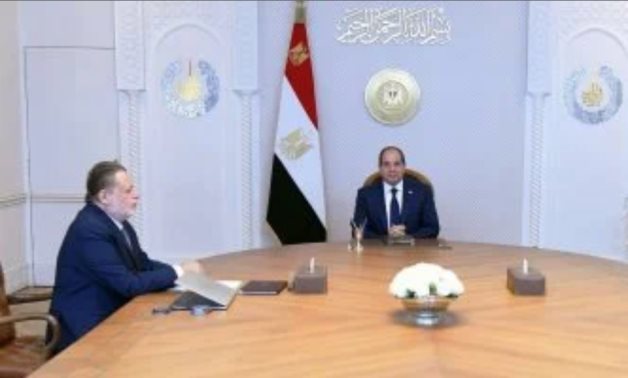
President Abdel Fattah El-Sisi met Saturday with Hassan Abdallah, Governor of the Central Bank of Egypt.
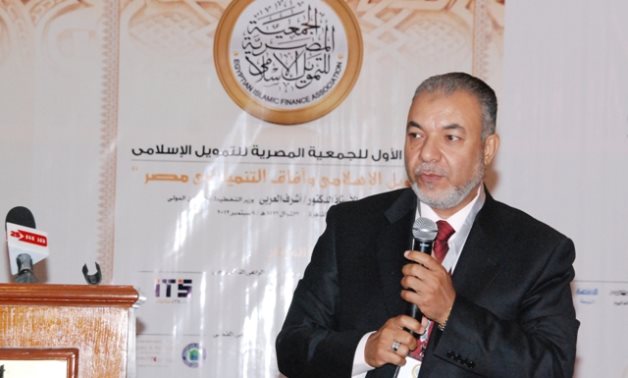
This growth reflects a surge across all key components of the sector, including Islamic banks' assets, sukuk issuances, and other Sharia-compliant financial products.
These steps follow recent policy shifts by the Central Bank of Egypt (CBE), which has eased earlier limitations on the use of bank cards outside the country.
The Arab banking sector must maintain and strengthen its resilience in the face of ongoing geopolitical turbulence, International Monetary Fund Executive Director and Arab Group and Maldives Representative Mohamed Maait said.

Bank capital stood at LE 579.378 billion as of February, with reserves amounting to LE 836.769 billion and provisions at LE 598.426 billion
The CBE’s report shows mixed performance across key monetary components.
The state-owned banks’ decision comes shortly after the Central Bank of Egypt reduced its key interest rate by 225 basis points last Thursday, easing ease monetary policy for the first time in four years.

The growth in foreign assets was partially fueled by the successful $2 billion international bond sale on January 29, marking Egypt's first dollar-denominated bond issuance in four years.
Several Egyptian banks were recognized among the 25 Most Valuable Bank Brands in Africa.
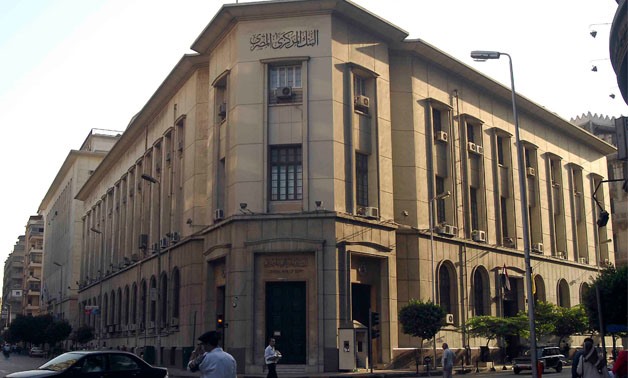
The report also revealed that net returns for banks operating in the country totaled LE 915 billion by the end of 2024, up from LE 582.5 billion the previous year.

Banque du Caire, owned by the state-run Banque Misr, holds assets of $9.4 billion (LE 478 billion) as of September 30

This represents a significant increase of LE 412 billion from December 2023, reflecting an impressive 68 percent growth
The CBE's financial inclusion success has been bolstered by ongoing collaboration with key stakeholders, including government ministries, regulatory authorities, and the private sector.

BNP Paribas also forecasted a significant easing in inflation, which hit 24.1 percent in December 2024, confirming the downward trend that had begun in September of the same year.
Fitch anticipates that the CBE will begin its new monetary easing cycle on 20 February 2025, with expectations for a 100–200 basis point rate cut.
With 75 percent of Egypt’s banking sector now aligning with sustainable finance principles, as confirmed by the CBE, the sector has set an industry standard for responsible financial practices.
Despite the recent downturn, Egypt's NFA position is expected to improve in January 2025, thanks to a $2 billion international bond sale.

This change marks the full integration of Ahli United Bank Egypt into the KFH Group, reaffirming the institution’s commitment to Islamic banking principles, as stated in a press release.
Since shifting from a deficit in May, breaking a red streak that lasted since February 2022, September’s numbers mark the fifth consecutive month of surplus for the banking sector.
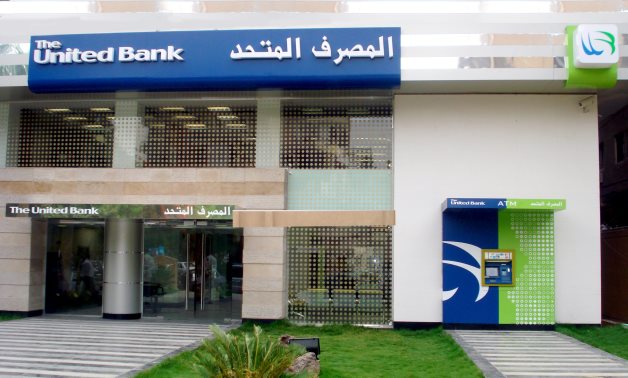
The bank expects to issue the shares on the EGX by Q4 2024, contingent on prevailing market conditions and the finalization of approval procedures.