Gaza Truce
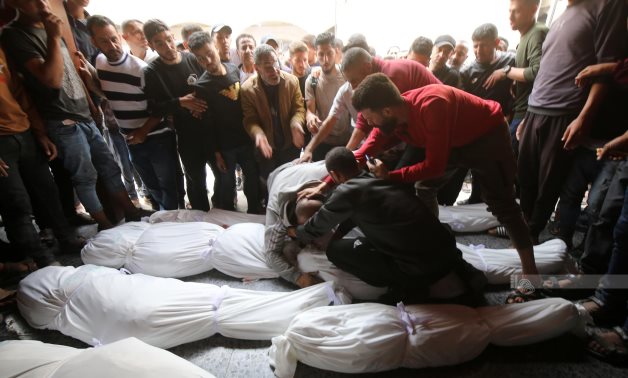
Cairo’s calls come as Egypt and Qatar have submitted a joint ceasefire and hostage-prisoner swap proposal, accepted by Hamas on Monday, and are awaiting Israel’s official response, expected by the end of the week.
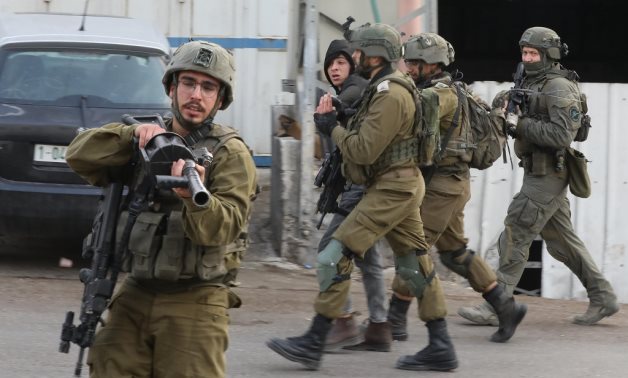
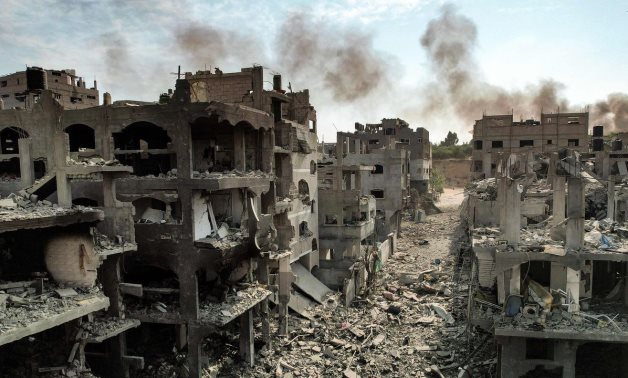
The talks would aim to halt the ongoing genocide in Gaza and achieve the aspirations of the Palestinian people—particularly the restoration of national unity and the establishment of an independent Palestinian state with Jerusalem as its capital.
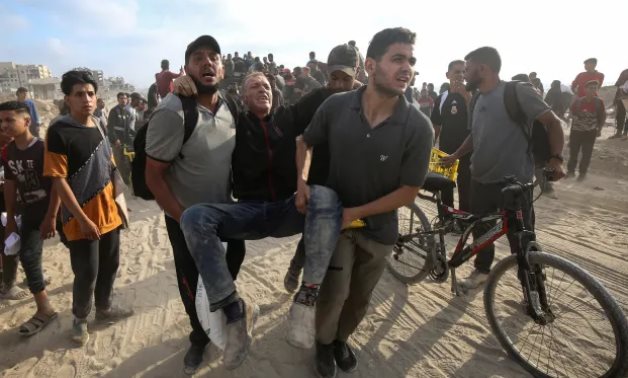
Hamas responded to a proposal for a 60-day ceasefire in Gaza and its response includes a willingness to engage in indirect negotiations aimed at implementing the truce, effective upon approval, sources told Al Qahera News on Friday.
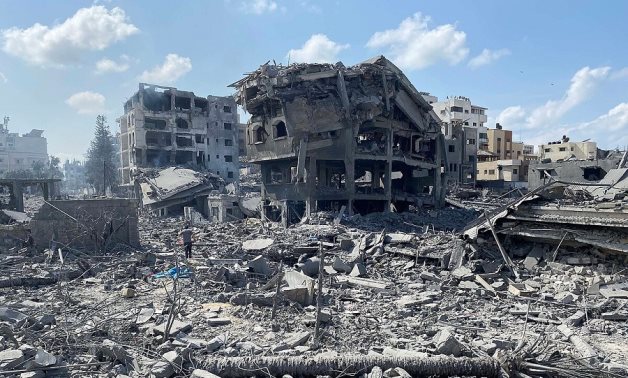
Ongoing consultations between Egypt and Hamas are taking place with the aim of reaching a ceasefire agreement and facilitating the exchange of detainees and captives
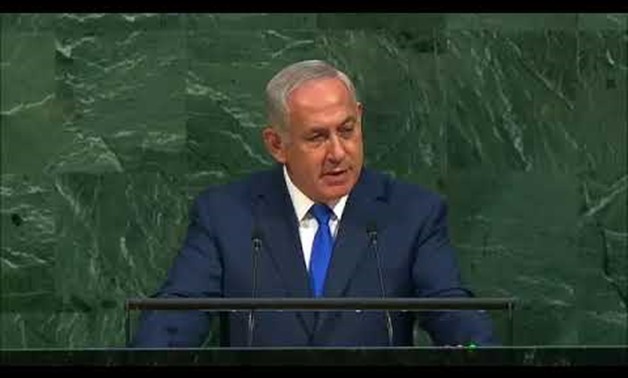
“While the Hamas proposal is far from meeting Israel's core demands, Israel will dispatch a ranking delegation to Egypt in an effort to maximize the possibility of reaching an agreement on terms acceptable to Israel,” said Israeli Prime Minister Benjamin Netanyahu’s Office.
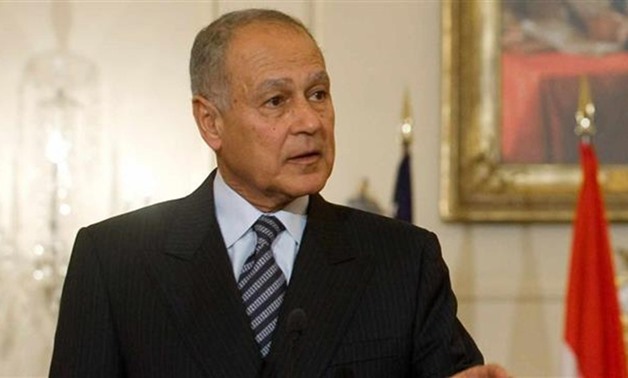
He called on the Security Council, especially the United States and the Western countries that support Israel, to assume their responsibilities and curb the occupation force.
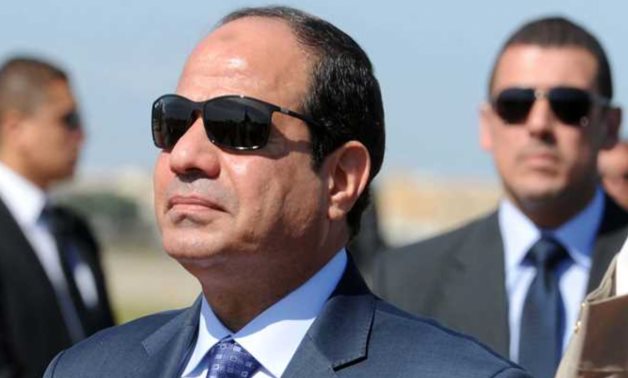
“I closely follow the positive developments pertinent to the ongoing negotiations to reach a comprehensive truce in the Gaza Strip. I call on all parties to exert more efforts to reach an agreement that will end the humanitarian tragedy from which the Palestinian people are suffering and finalize the exchange of hostages and prisoners,” said President Abdel Fattah El Sisi on his official Facebook page on Monday evening.
A senior official has refuted reports of planned meetings between Egyptian and Israeli officials regarding discussions on a Gaza truce beyond the scope of security delegations.
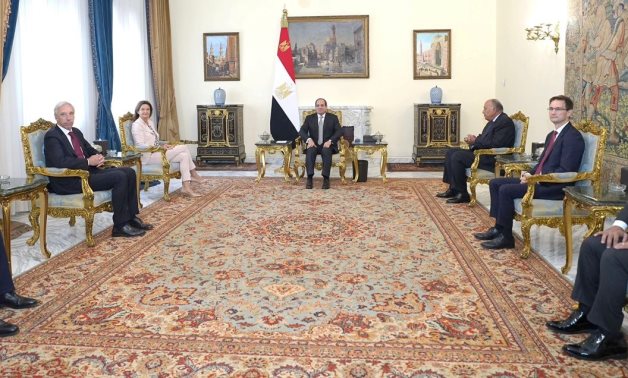
Egypt’s President Abdel Fattah El-Sisi held a meeting in Cairo with Tanja Fajon, Slovenia’s Deputy Prime Minister and Minister of Foreign Affairs, and João Cravinho, Portugal’s Minister of Foreign Affairs.