“Doom scrolling”, “brain rot” and many more Gen Z-type of vocab you’d never guess they’d emerge out of the blue, and that is all thanks to social media. Don't we all long for simpler times? Probably yes, and maybe that’s because our brains do too. Endless scrolling has its downsides, even if we pretend it doesn’t, but it affects our well-being more than you know. Here is how.
Your Sleep Schedule is Slipping
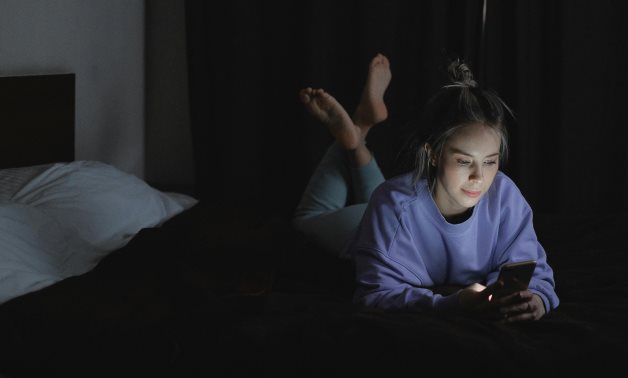
One of the many downsides of too much screentime is troubled sleeping patterns. You wake up tired, no matter how much sleep you had, or you can’t fall asleep at all. Late-night scrolling tricks your brain into staying alert, making real rest feel impossible.
Your Attention Span is Declining
Ever open TikTok to watch “just one video” and suddenly it’s 3 a.m. and your brain feels fried? Yes, us too. We’re so used to social media overconsumption, especially short-form like TikToks, YouTube short videos, and reels. The constant stimulation is messing with our ability to concentrate and finish longer tasks.
You Suffer From Back and Neck Pain
“Text neck” is a real thing, and so is digital eye strain. Sore shoulders, headaches, and blurry vision after too much screen time can all be signs that your body’s begging for a break. Try putting your phone on airplane mode, roll out your shoulders, and take time to reconnect with your body.
All these signs and many more show how greatly digital time can affect our mental well-being and can disrupt our day to day activities. Taking small steps, like setting screen limits or unplugging before bed, can make a big difference in restoring that balance.








Comments
Leave a Comment