Egyptian archaeological mission uncovers tombs, residential area, and industrial facilities at Tell El-Koa in Ismailia.




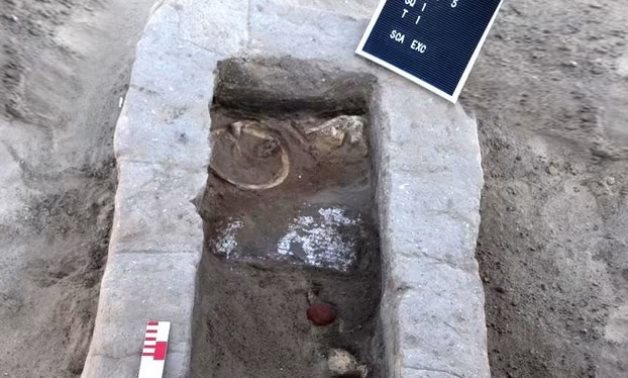
The Egyptian archaeological mission working at Tell El-Koa in Wadi El-Tumilat, Ismailia Governorate, has uncovered a group of tombs, a residential area, kilns, and storage silos dating back to the Second Intermediate Period.
Minister of Tourism and Antiquities Sherif Fathy emphasized the significance of the discovery, noting that it provides a clearer picture of settlement patterns in the eastern Nile Delta during this era. He described the site as an integrated community featuring residential quarters, storage facilities, production areas, and burial grounds. He also praised the efforts of both Egyptian and international archaeological missions in revealing more of ancient Egypt’s rich heritage.
Hesham El-Leithy, Secretary-General of the Supreme Council of Antiquities, said the discovery highlights the importance of Tell El-Koa as one of the key archaeological sites along the Wadi El-Tumilat corridor, which served as one of the most important routes linking the eastern Delta with Egypt’s eastern frontier. The findings also contribute to understanding the transition from the Second Intermediate Period to the early New Kingdom through studies of population continuity, trade activity, and social change.
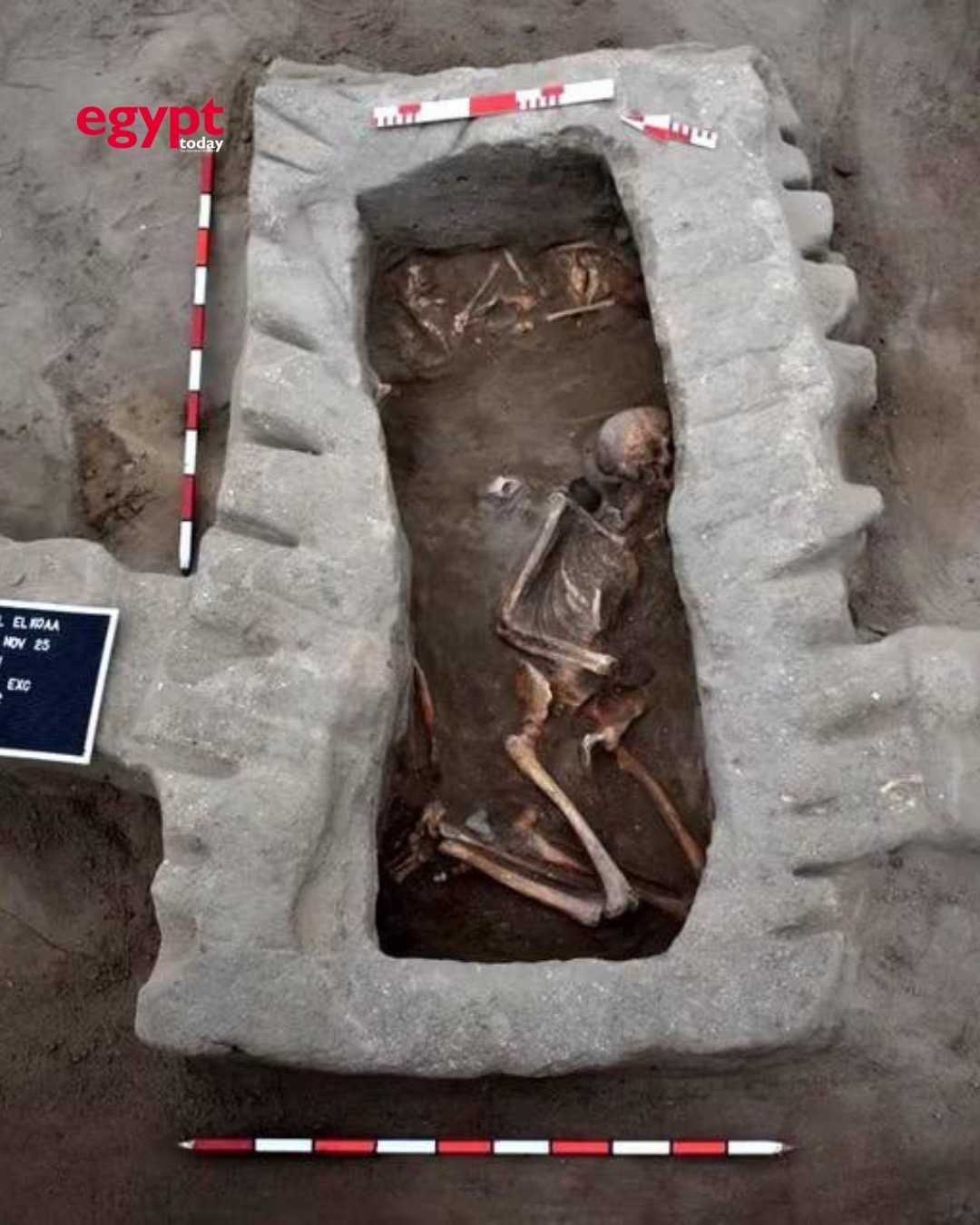
According to Mohamed Abdel Badei, Head of the Egyptian Antiquities Sector at the Supreme Council of Antiquities, the mission uncovered ten mudbrick tombs of varying sizes and orientations. These include rectangular mastaba-like tombs as well as others featuring architectural façades and decorative elements. All of the tombs date to the 15th Dynasty of the Second Intermediate Period.
The excavation also revealed a residential complex measuring approximately 30 by 60 meters, enclosed by a mudbrick wall about 1.5 meters thick. The complex comprises well-organized architectural units, including halls and rooms of varying sizes, along with a variety of kilns and storage silos located east of the settlement.
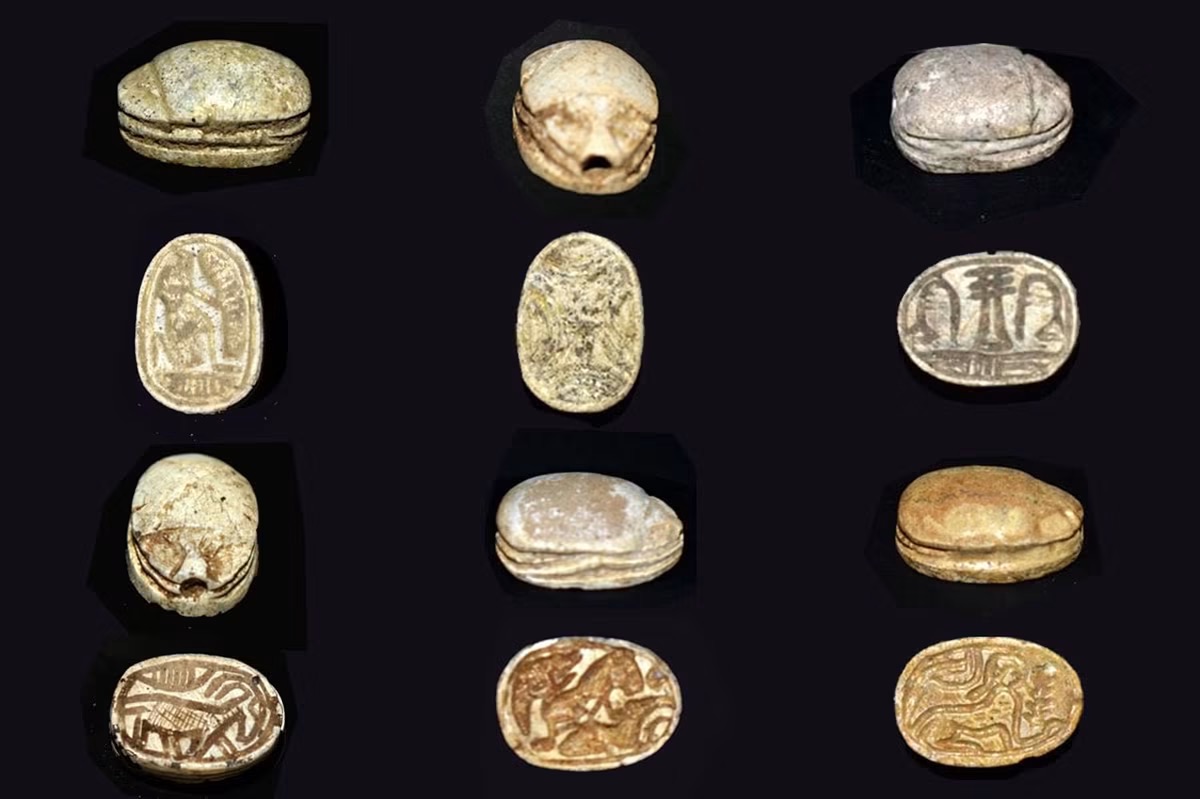
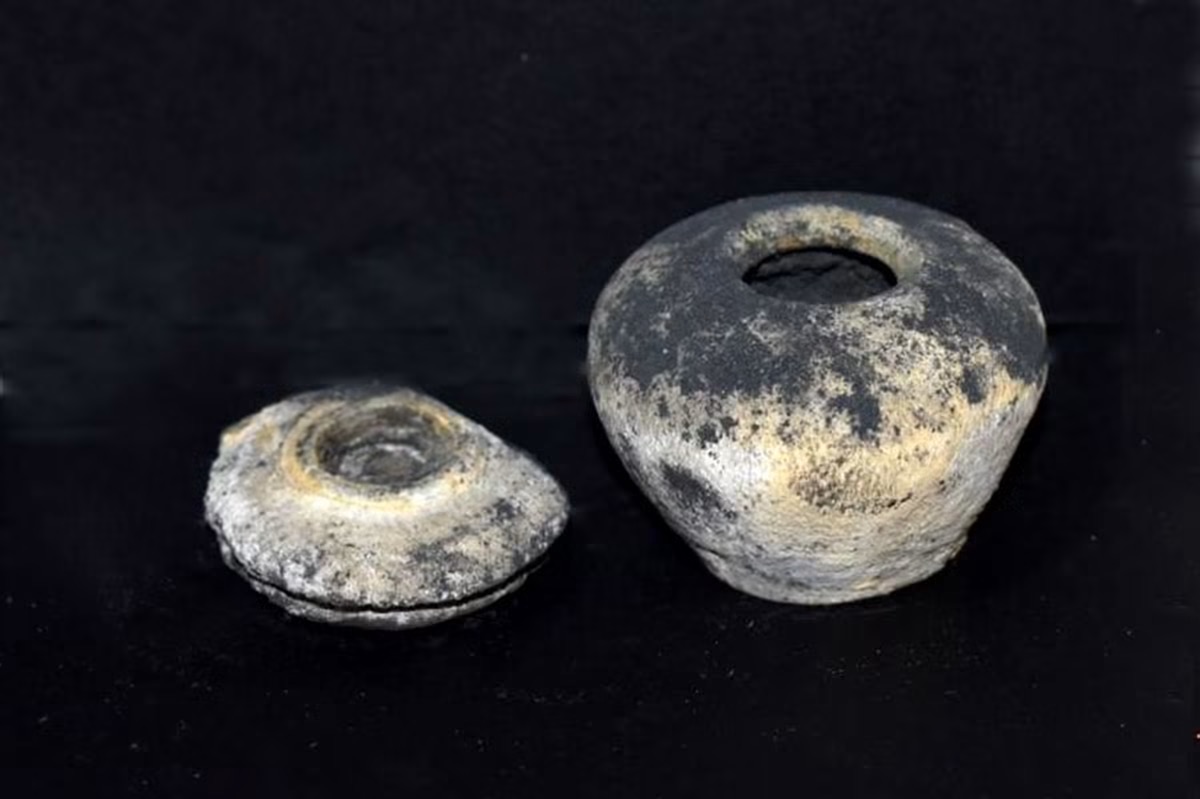
Hesham Hussein, Head of the Central Administration for Lower Egypt Antiquities, stated that excavations yielded a number of important artifacts, including scarabs, bronze tools, pottery vessels, alabaster kohl containers, and bottles bearing the distinctive Tell el-Yahudiya Ware style characteristic of the Second Intermediate Period.
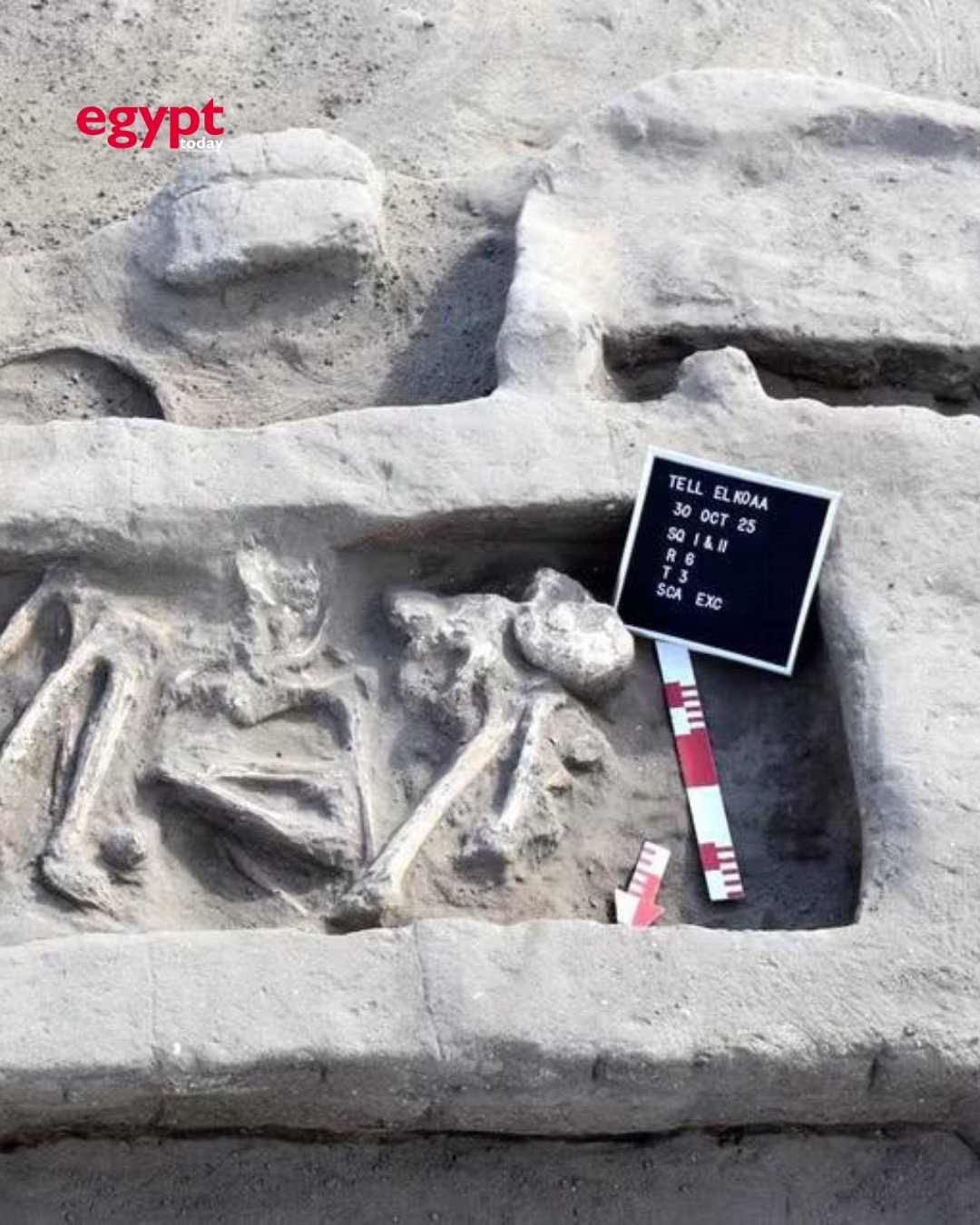
The mission also uncovered human skeletal remains. Preliminary studies indicate a variety of burial practices and age groups, with individuals estimated to have been between 25 and 40 years old. Large quantities of animal bones associated with daily consumption and funerary offerings were also discovered.
For the first time at the site, archaeologists identified human burials located outside the mudbrick tombs, some in a crouched position, an unusual burial practice that requires further study. Analysis of the recovered pottery also indicates intensive daily use of the settlement, with tableware being the most common type, followed by cooking vessels.
Mostafa Hassan, Director of the Ismailia Antiquities Area and head of the excavation mission, said the archaeological evidence suggests that the site remained occupied until the middle of the 18th Dynasty, reflecting continuous settlement during the transition from Hyksos rule to the New Kingdom. Some pottery vessels also bear production marks and seals indicating the existence of extensive trade networks, suggesting the site may have served as a distribution center or an important commercial hub.
Tell El-Koa is located on the southern edge of the archaeological Wadi El-Tumilat in El-Qassasin El-Gedida, Ismailia Governorate. Covering approximately 55 feddans (about 23 hectares), it is considered one of the most important Second Intermediate Period sites in the eastern Delta. Previous and ongoing excavations have uncovered numerous architectural structures and tombs dating to this pivotal era of ancient Egyptian history.

Be Social




Comments
Leave a Comment