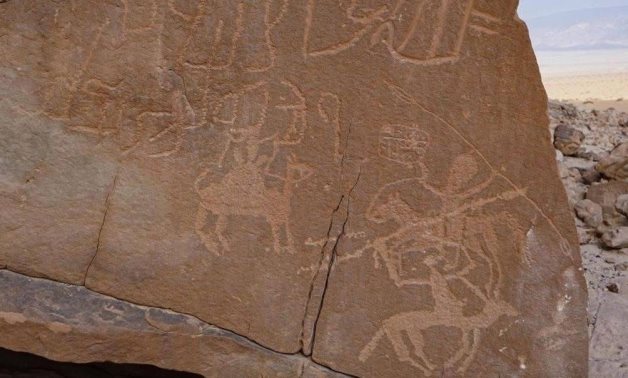
Um Erak




CAIRO - 12 February 2026: A desert plateau in South Sinai has revealed an extraordinary secret: a massive rock shelter containing a continuous record of human artistic expression spanning ten millennia.
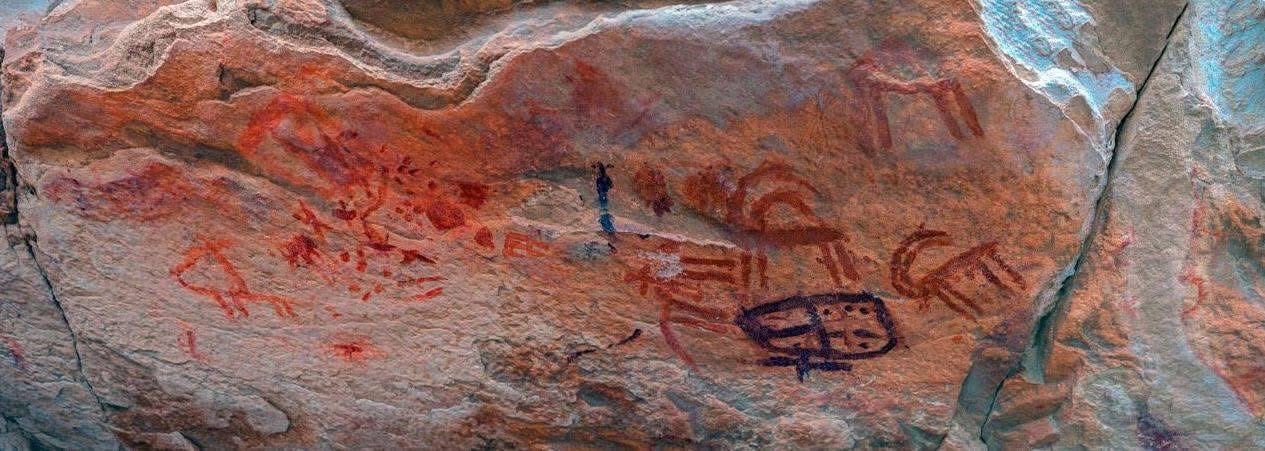
The Egyptian archaeological mission from the Supreme Council of Antiquities recently documented the site at Umm Erak, located roughly five kilometers northeast of the famed Temple of Serabit el-Khadim. The discovery is being hailed by Minister of Tourism and Antiquities Sherif Fathy as a "qualitative addition" to Egypt's cultural map, offering a rare glimpse into the evolution of the human spirit in the peninsula.
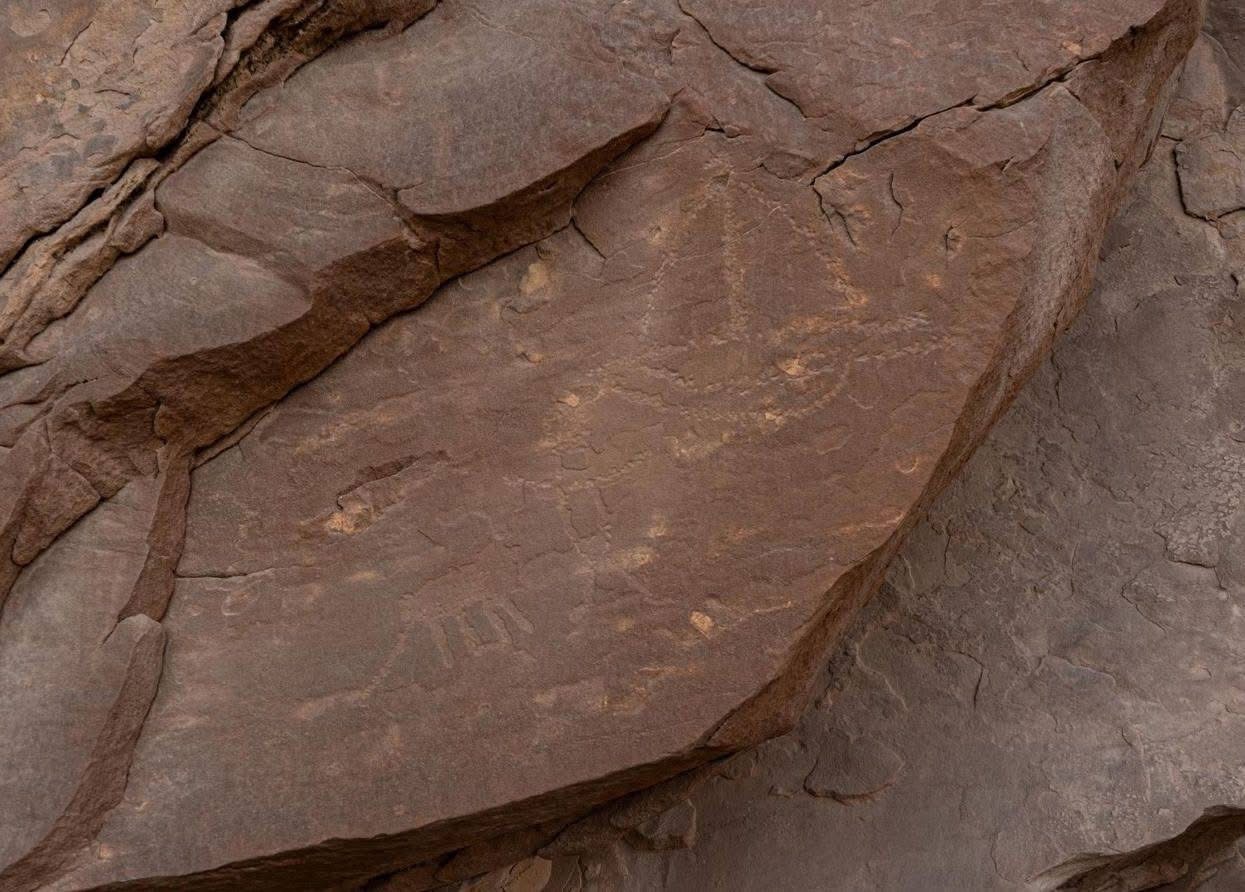
A gallery of the ancients
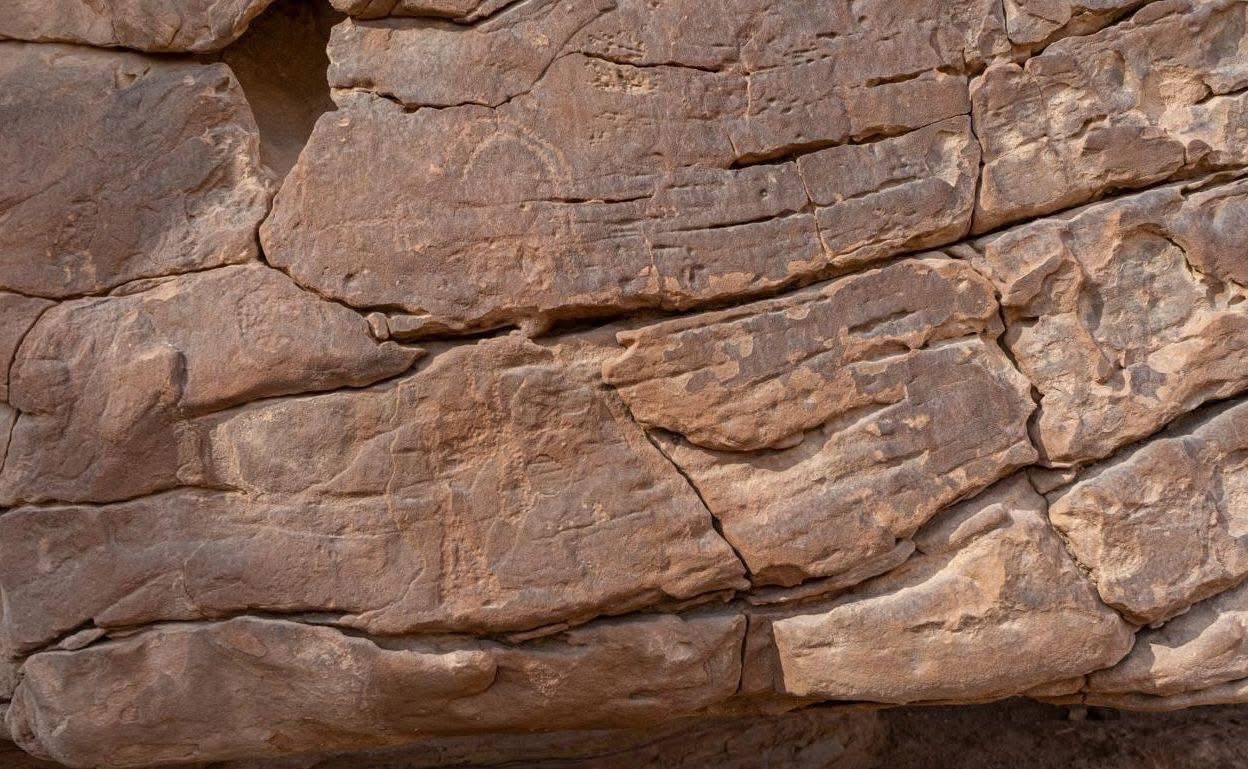
The site features a 100-meter-long sandstone shelter. On its ceilings and walls, archaeologists found a vivid timeline of life. The oldest layer—dating between 10,000 and 5,500 BCE—consists of red-pigmented drawings of wild animals.
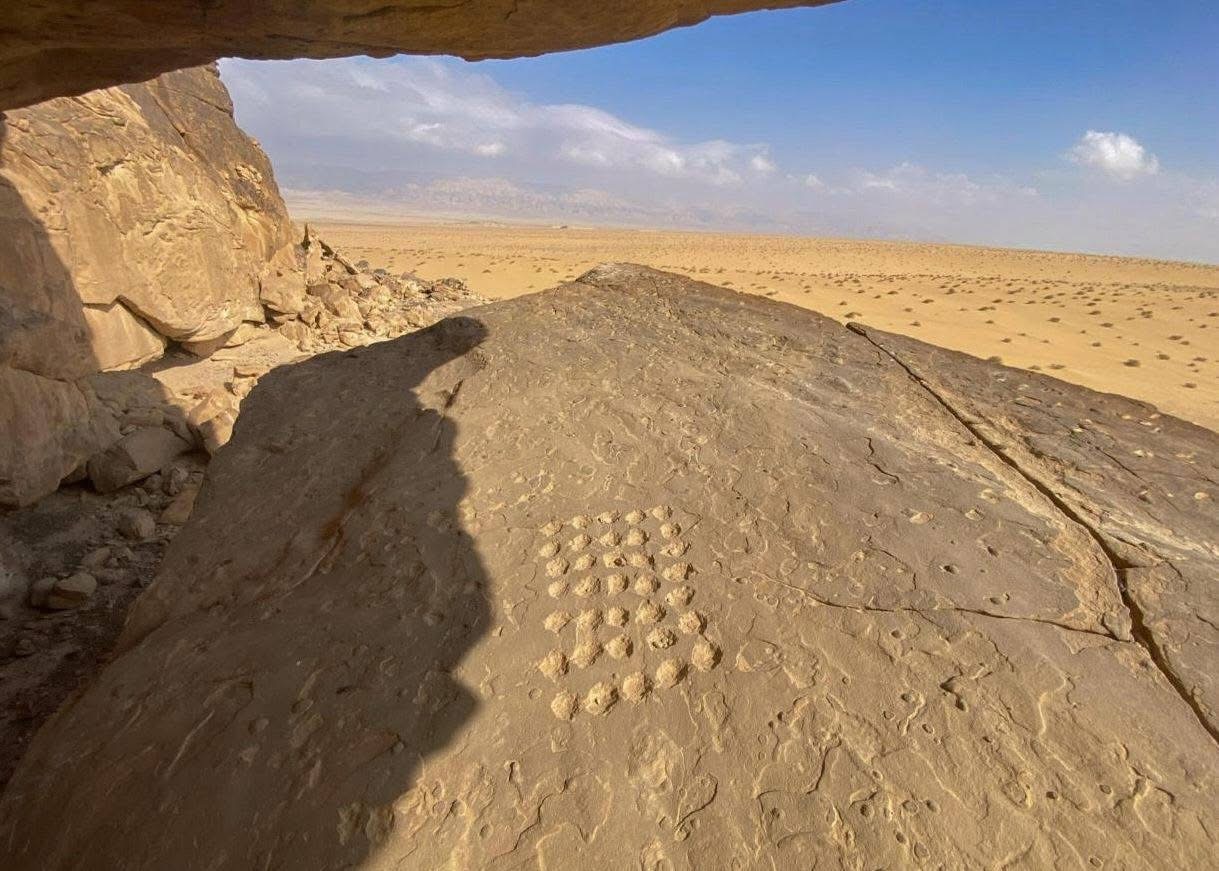
"This is a natural open-air museum," explains Dr. Hisham El-Leithy, Secretary-General of the Supreme Council of Antiquities. "It documents the symbolic and artistic evolution of humans from prehistory through to the Islamic era."
Layers of history
The shelter’s "collection" includes several distinct phases:
• Prehistoric: Red and newly discovered grey pigments depicting local fauna.
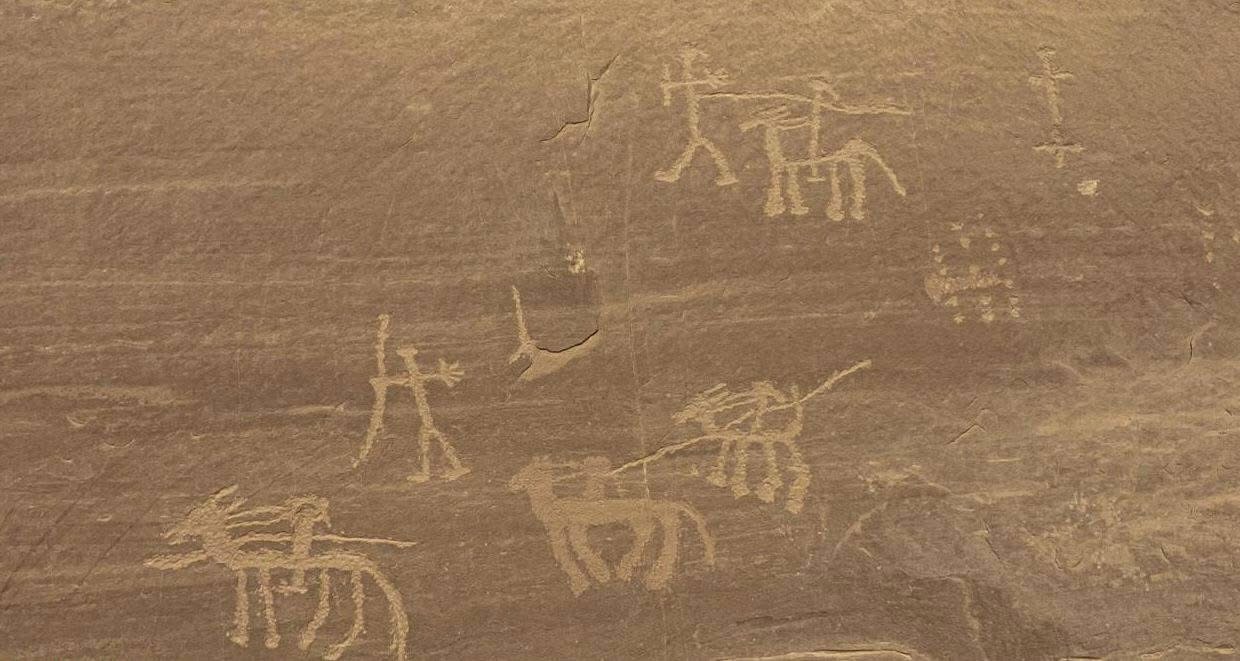
• Early Hunting: Intricate engravings of a hunter with a bow and arrow chasing an ibex, flanked by hunting dogs.
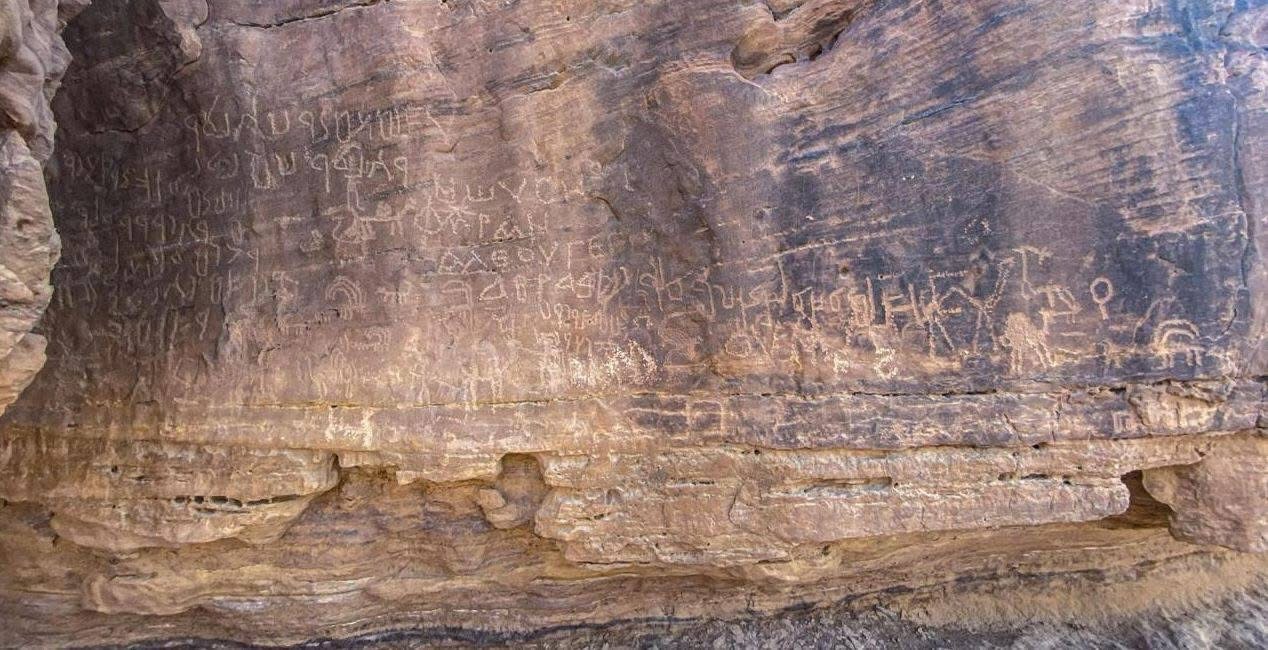
• Classical & Nabataean: Depictions of camels and horses with riders in battle gear, accompanied by Nabataean inscriptions.
• Islamic Era: Early Arabic calligraphy, marking the site’s continued use as a waypoint for travelers and pilgrims.
A living heritage
The discovery was made possible with the guidance of Sheikh Rabia Barakat, a local resident of the Serabit el-Khadim area. His involvement underscores the vital role Sinai’s local communities play in preserving Egypt's "hidden" history.
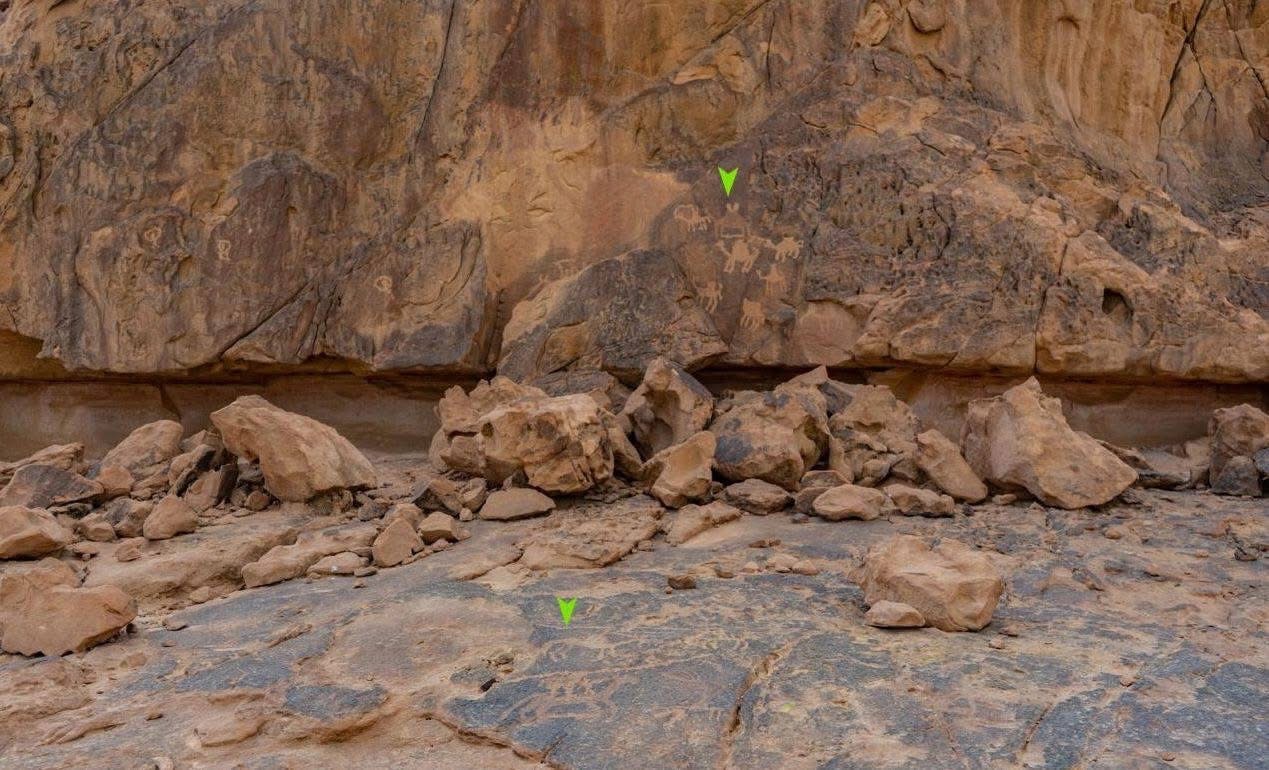
Beyond the art, the mission found lithic (flint) tools and pottery fragments dating to the Egyptian Middle Kingdom and the Roman period (3rd Century AD). The presence of ash layers and stone partitions suggests the shelter was not just a canvas, but a home—a place where ancient Bedouins, Roman soldiers, and early Muslims sought refuge from the elements.
As the Ministry prepares a sustainable protection plan for Umm Erak, the site is expected to become a cornerstone for cultural tourism in Sinai, inviting the world to witness a 10,000-year conversation etched in stone.

Be Social




Comments
Leave a Comment