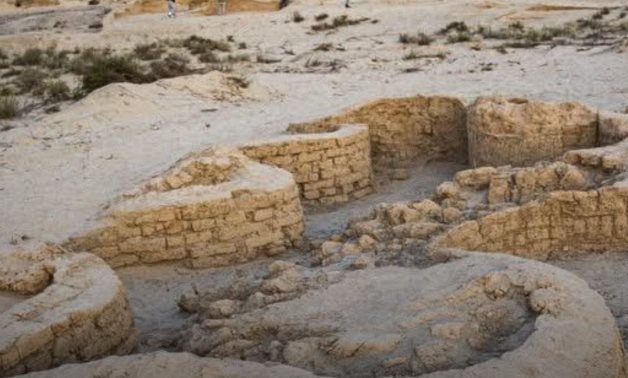




In a remarkable archaeological breakthrough, an Egyptian mission working at the Tell El-Kharouba site in Sheikh Zuweid, North Sinai, has uncovered a large military fortress dating back to the New Kingdom — one of the biggest and most significant fortifications ever found along the ancient Horus Military Road, near the Mediterranean coast.
This discovery sheds new light on the strategic genius of the pharaohs of the New Kingdom, who built a chain of fortresses and defensive outposts to safeguard Egypt’s eastern borders and secure one of the most vital trade and military routes connecting ancient Egypt with Palestine.
Minister of Tourism and Antiquities Sherif Fathy described the find as “a living testament to the brilliance of ancient Egyptian military engineering”, adding that it offers new insight into Egypt’s proud military heritage and further highlights Sinai’s enduring role as a land of unique civilization and history.
According to Dr. Mohamed Ismail Khaled, Secretary-General of the Supreme Council of Antiquities, this major find represents an important step in reconstructing the full picture of Egypt’s defensive network along its eastern frontier during the New Kingdom. He emphasized that each newly discovered fortress adds valuable knowledge about the organization and military might of Pharaonic Egypt, proving that this great civilization was not only about temples and tombs, but also about a powerful and well-structured state capable of defending its lands.
Excavations revealed a 105-meter-long southern wall, 2.5 meters thick, with a secondary entrance measuring 2.2 meters wide. Archaeologists also uncovered eleven defensive towers, as well as the northwestern tower and portions of the northern and western walls, despite challenges posed by shifting sand dunes that had buried much of the site.
Mohamed Abdel-Badie, Head of the Egyptian Antiquities Sector, announced the discovery of a 75-meter-long zigzag wall on the western side of the fortress, dividing it from north to south and surrounding what appears to be a residential area for soldiers — a distinctive architectural feature of the New Kingdom that reflects the ancient Egyptians’ remarkable adaptability to harsh desert conditions.
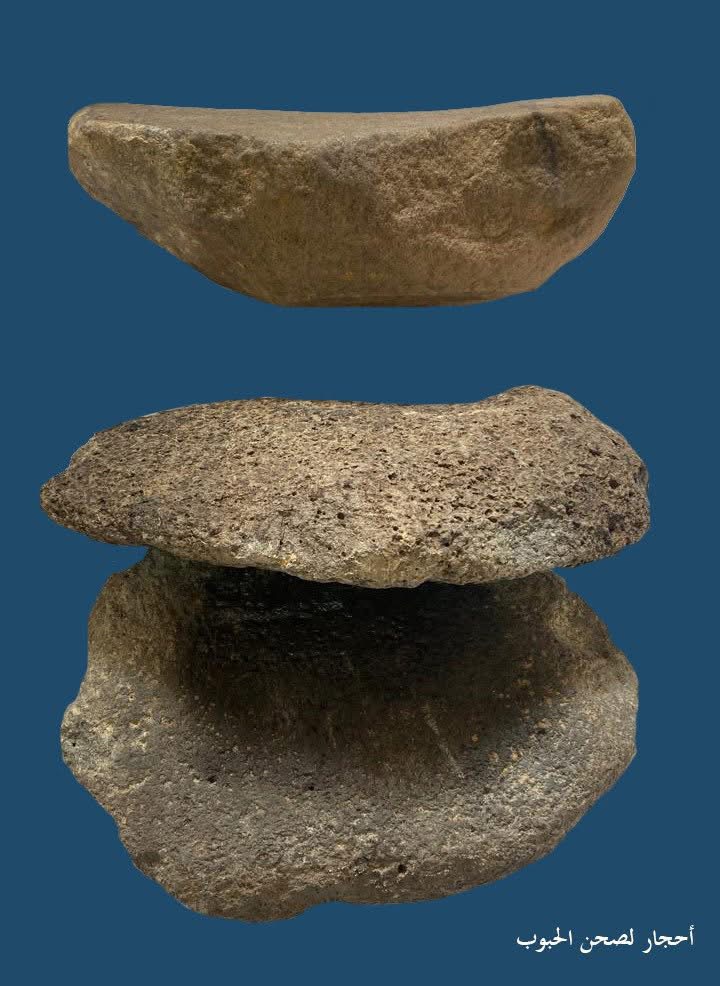
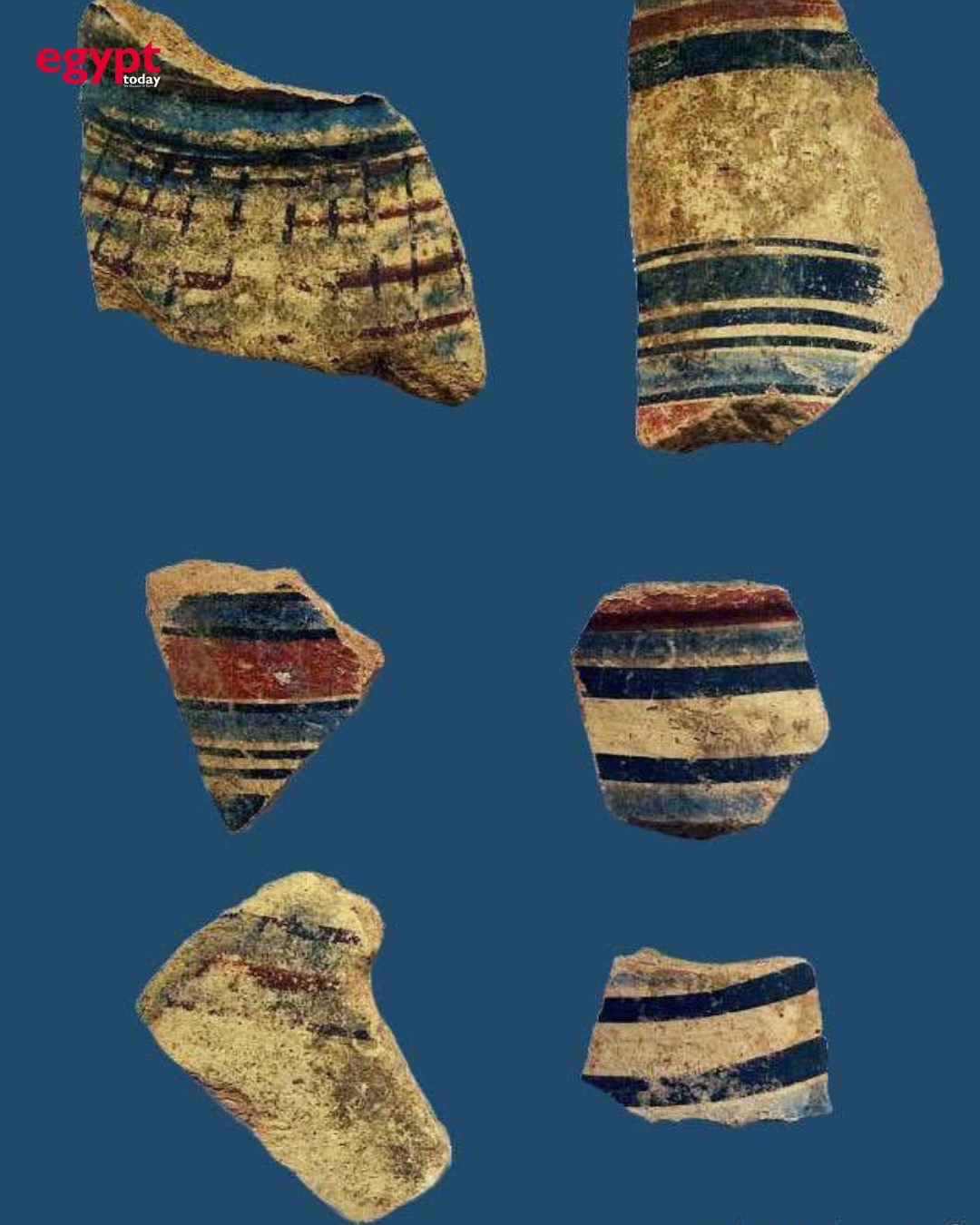
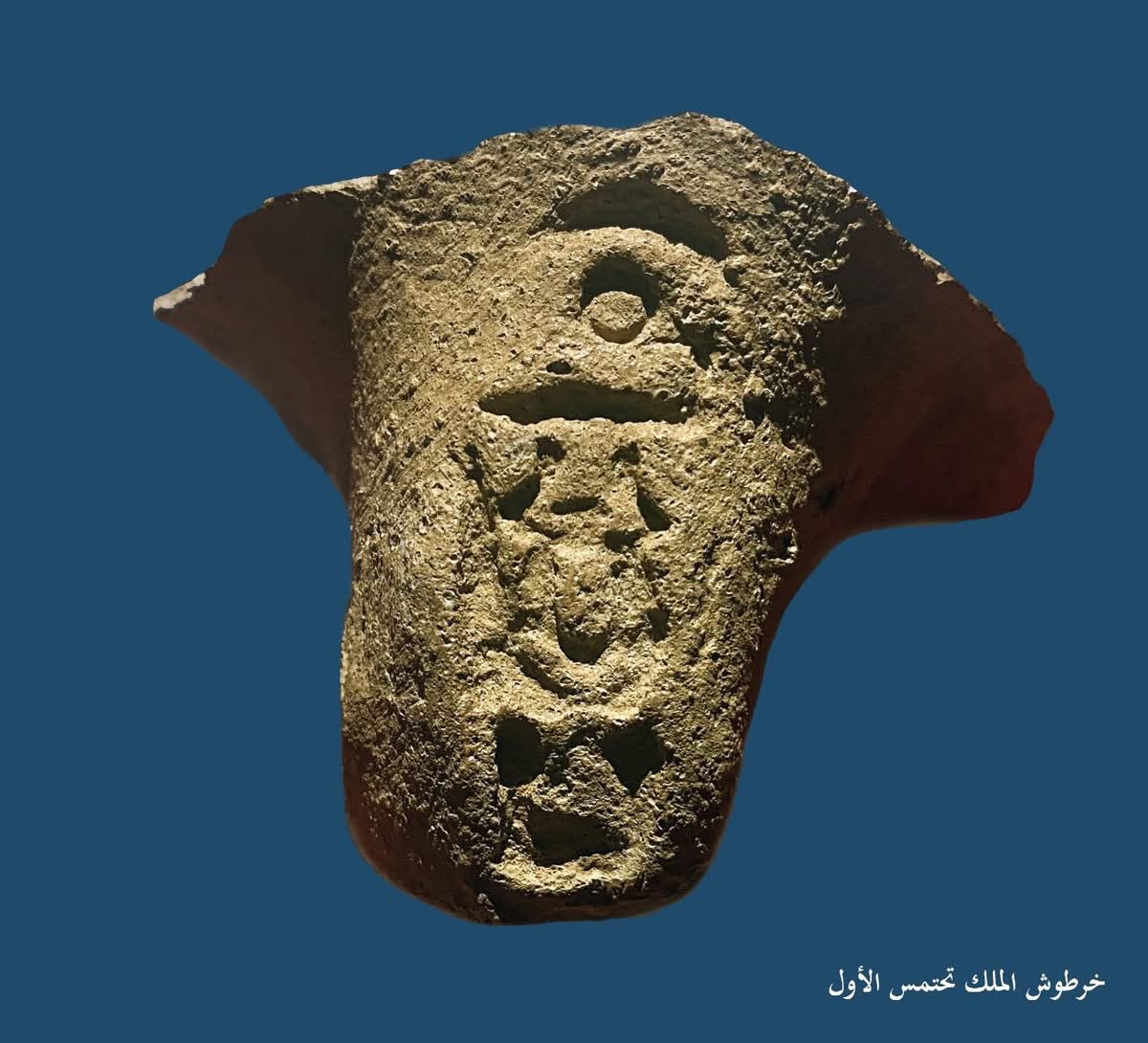
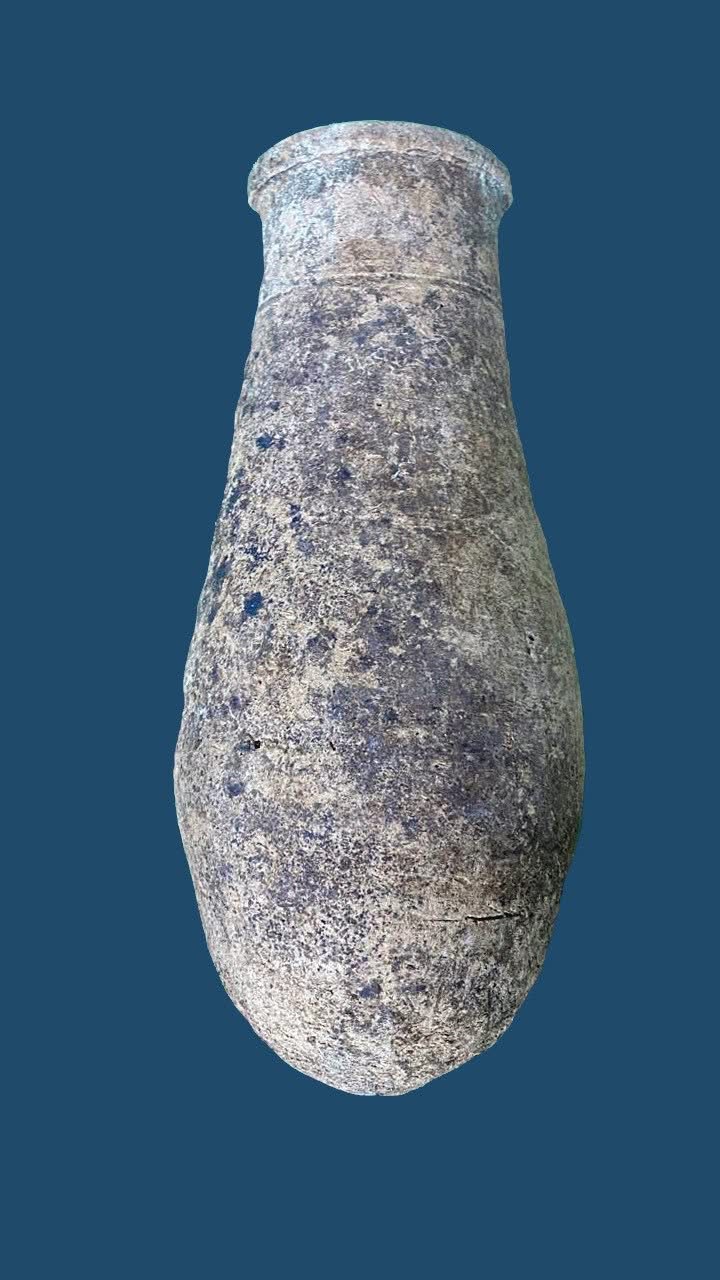
Among the artifacts found were pottery fragments, foundation deposits dating to the early 18th Dynasty, and a pottery handle stamped with the name of King Thutmose I. Archaeologists also uncovered volcanic stones likely imported from the Greek islands, as well as a large bread oven with remnants of hardened dough, evidence that the fortress once served as a fully functional military settlement supporting daily life for its garrison.
Dr. Hesham Hussein, Head of the Central Department for Lower Egypt Antiquities, noted that initial studies show the fortress underwent several phases of renovation and modification over the centuries, including multiple changes to its southern gate design. The mission hopes to continue excavations to uncover the remaining sections of the fortifications — and potentially the ancient military port believed to have served the fortress nearby.
Covering an estimated 8,000 square meters — nearly three times the size of the fortress discovered at the same site in the 1980s — this newly unearthed structure represents a monumental addition to the chain of New Kingdom fortresses along the Horus Military Road, joining other major sites such as Tell Habua, Tell El-Borg, and Tell El-Abiad.
This discovery, announced by the Ministry of Tourism and Antiquities, not only enhances our understanding of Egypt’s military history but also reaffirms Sinai’s timeless role as Egypt’s eastern shield — a land where history, strategy, and civilization converge.

Be Social




Comments
Leave a Comment