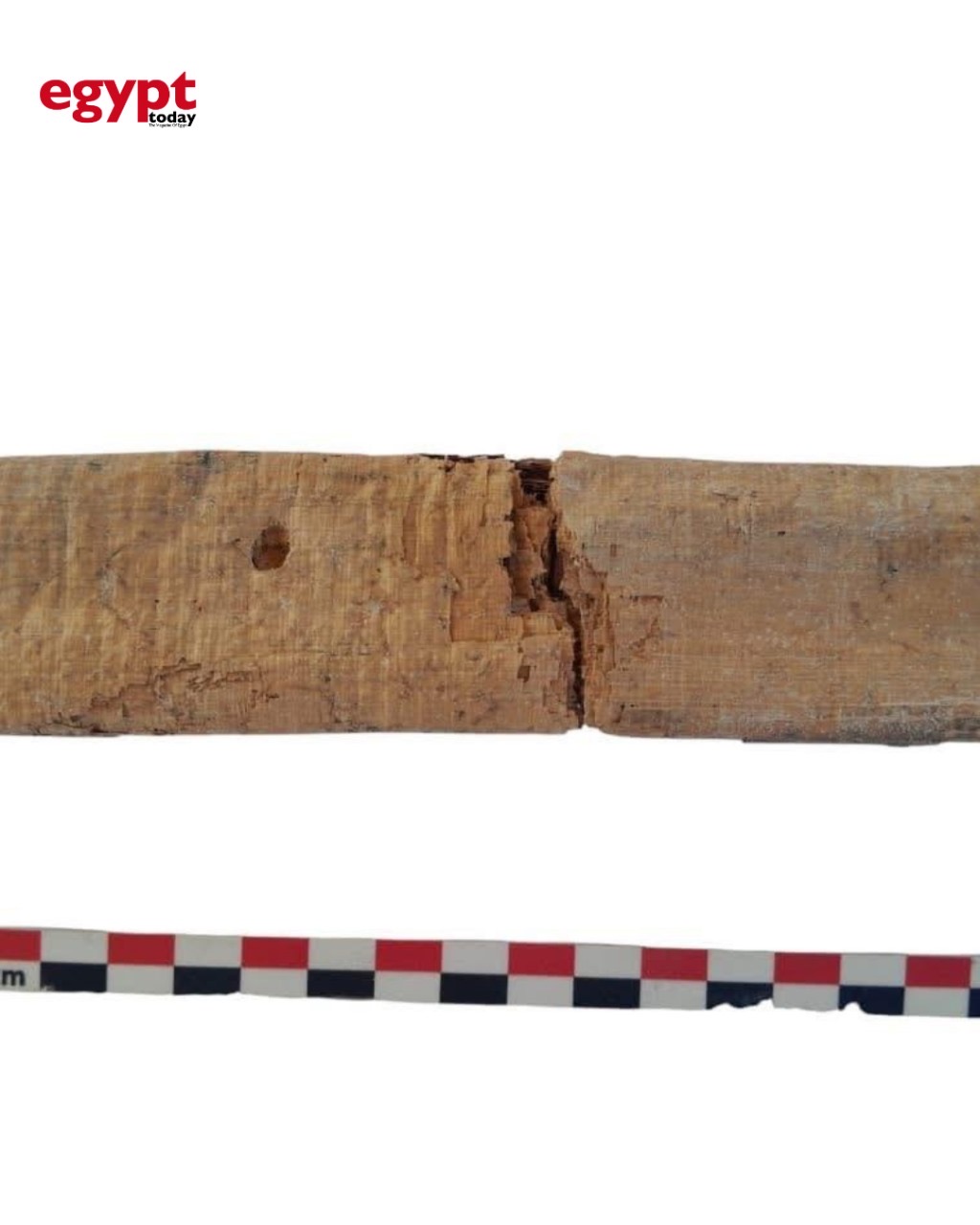
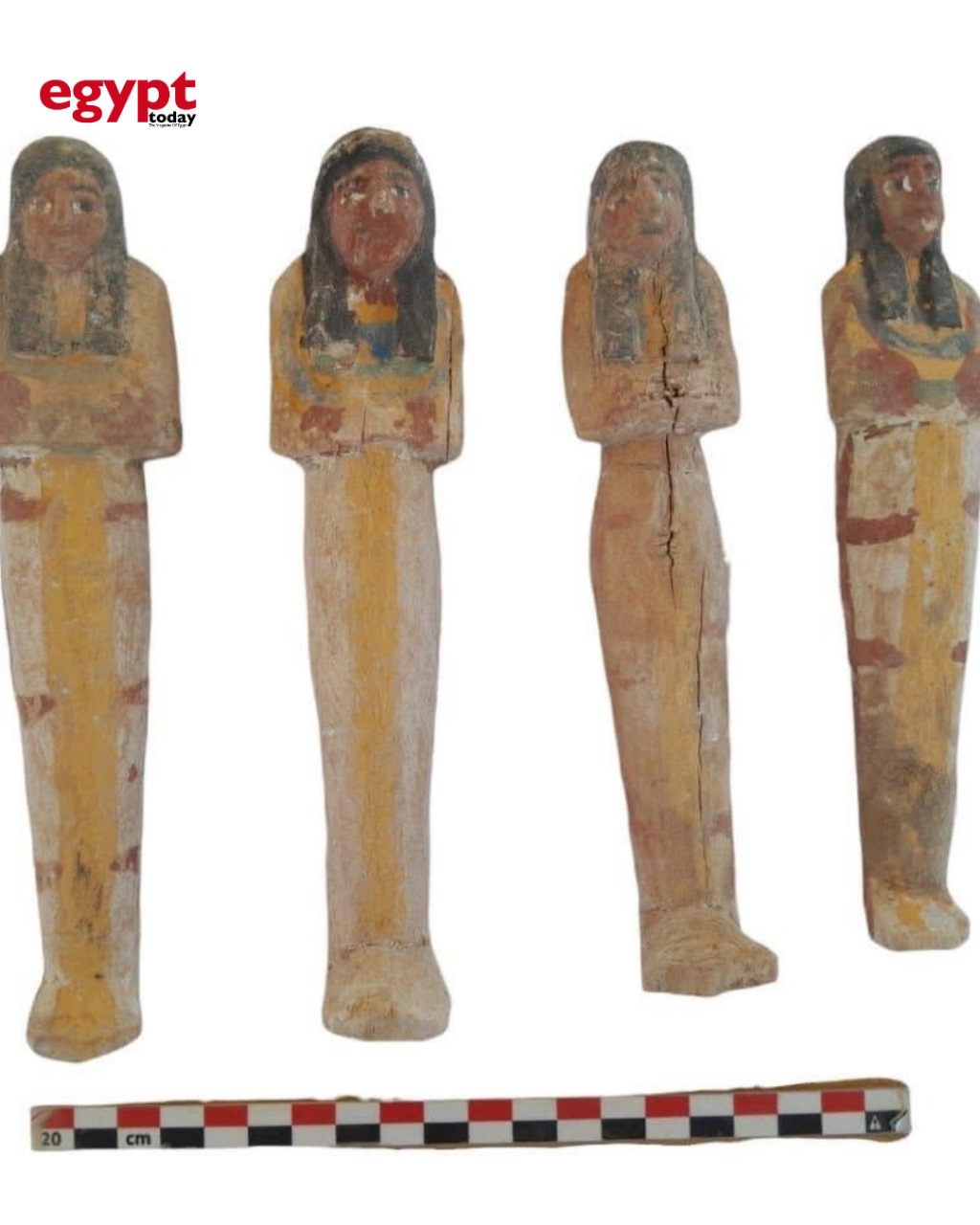
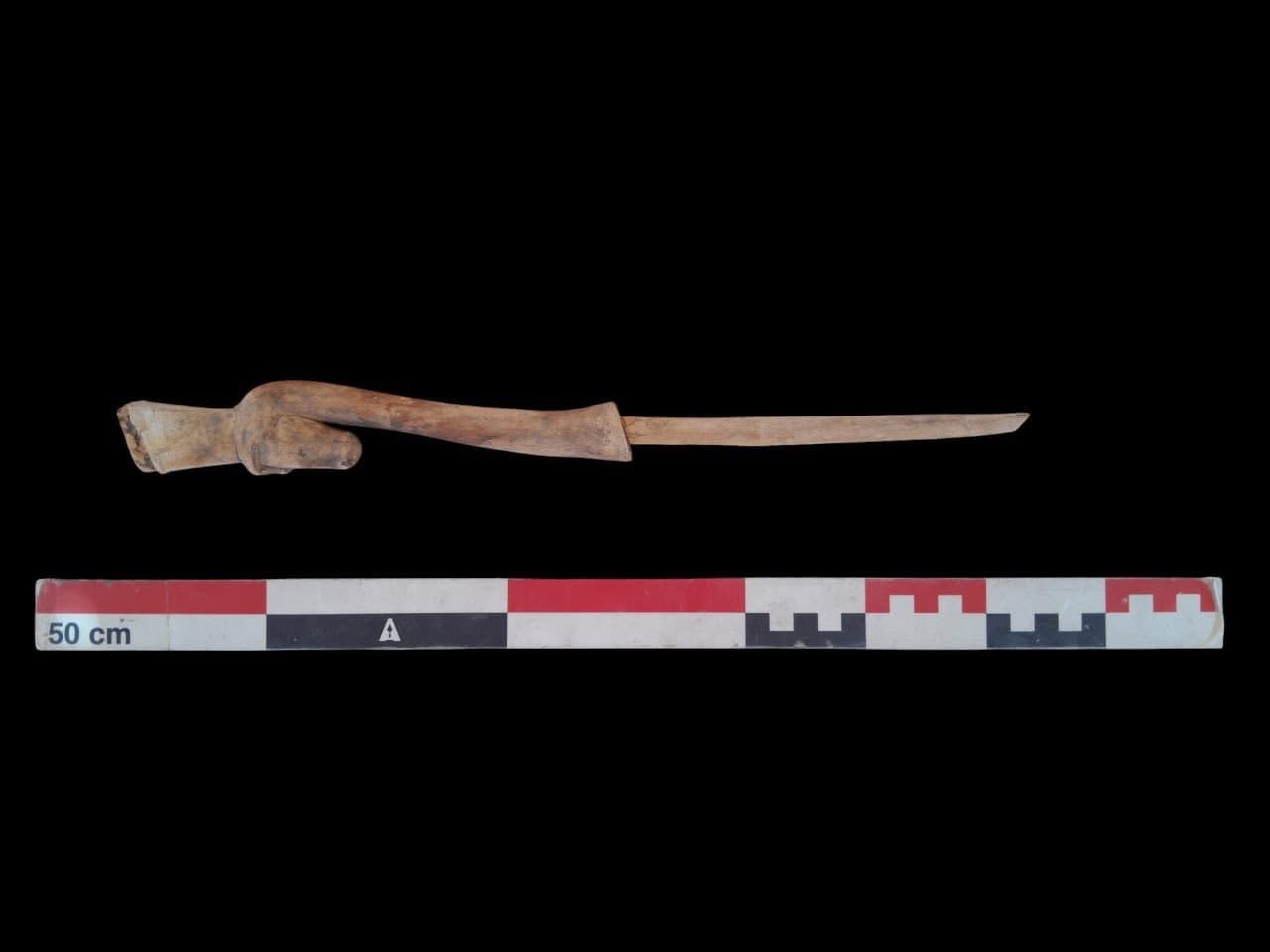
A major archaeological discovery has just been made in Luxor’s Dra Abu el-Naga: three newly uncovered tombs belonging to high-ranking officials from the New Kingdom era.
Excavation and cleaning efforts are ongoing to reveal more about the tombs’ owners, with plans to study and publish the findings in academic detail.
The secretary-general of the Supreme Council of Antiquities personally visited the site and stressed the importance of scientific documentation and publication.
An Egyptian archaeological mission in the Dra Abu el-Naga area on Luxor’s West Bank has unearthed three New Kingdom tombs during the current excavation season.
Minister of Tourism and Antiquities Sherif Fathy hailed the discovery as a major scientific and archaeological achievement, bolstering Egypt’s standing on the global cultural tourism map. He noted that these tombs are expected to become a key attraction for lovers of heritage and history due to their rich cultural and human significance.
The Minister emphasized that this discovery—carried out entirely by Egyptian hands—demonstrates the remarkable capabilities of local archaeologists in making world-class discoveries.
Dr. Mohamed Ismail Khaled, Secretary-General of the Supreme Council of Antiquities, inspected the site and confirmed that all three tombs date back to the New Kingdom.
The names and titles of their owners were identified through inscriptions found within the tombs.
He noted that further cleaning and analysis will be conducted to better understand the tombs’ significance, with a commitment to scientific study and publication.
Mohamed Abdel-Badei, Head of the Egyptian Antiquities Sector, revealed that one of the tombs belongs to “Amun-em-Opet,” a Ramesside-era official who served at a temple or estate of Amun. While much of the artwork was destroyed, surviving scenes depict offerings, funerary furniture, and banquet rituals.
The second and third tombs date back to the 18th Dynasty. One belonged to “Baki,” a granary overseer, while the other belonged to “S,” who held multiple titles: overseer of Amun’s temple in the oases, mayor of the northern oases, and scribe.
As for their layout:
• Amun-em-Opet’s tomb features a small courtyard, an entrance leading to a square hall, and a niche—later altered in reuse.
• Baki’s tomb includes a long corridor-like courtyard, followed by another yard leading to a transverse hall and then a longitudinal chamber ending in an unfinished shrine with a burial shaft.
• The tomb of “S” starts with a small courtyard and burial shaft, leading to the main entrance and a transverse hall that connects to an unfinished longitudinal room.
This discovery adds a fascinating new chapter to Egypt’s ever-unfolding archaeological story.









Comments
Leave a Comment