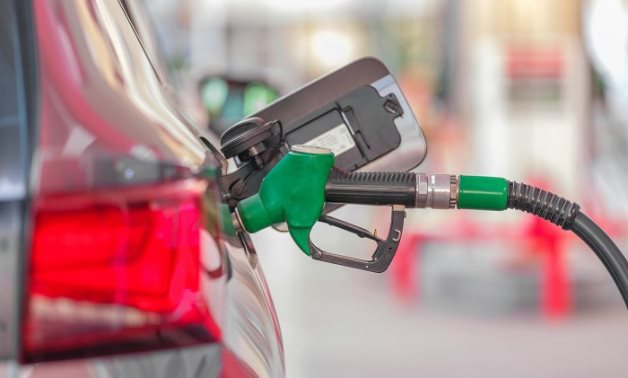
File - A car filled up with gasoline - Pexels/Engin Akyurt




CAIRO – 1 July 2026: Egypt will resume quarterly meetings of its fuel pricing committee in the first quarter of fiscal year 2026/27, Prime Minister Mostafa Madbouly said on Wednesday, marking the return of the country's automatic fuel pricing mechanism after months of market volatility.
The committee, which typically meets every three months to review fuel prices based on technical criteria and market indicators, will therefore convene between July and September to determine whether petroleum product prices should be raised, reduced or left unchanged.
"The automatic pricing mechanism will return from the new fiscal year’s first quarter, stretching from July to September," Madbouly said during a press conference following the Cabinet's weekly meeting on Wednesday.
He added that the committee will "study the issue from a technical perspective" and determine "the fair price of petroleum products" under the established pricing formula, deciding whether to “reduce or maintain” fuel prices.
The prime minister said the government has refrained from making further fuel price adjustments despite a sharp rise in global oil prices during the recent regional war to shield citizens from additional financial burdens.
Market Volatility amid War
The government has based its 2025/26 budget on an average crude oil price of $75 per barrel, although oil traded at around $69 a day before the outbreak of the war, Madbouly said.
Prices later climbed to as high as $125 per barrel, while the Egyptian pound weakened to around 55 per US dollar, he noted.
"We felt the extent of the burden placed on citizens," Madbouly said. “The strategic decision was for the government and the Egyptian General Petroleum Corporation to absorb part of these increases instead of passing them on to the public."
The prime minister stressed the need to support the Egyptian General Petroleum Corporation in recovering the costs it has absorbed after global oil prices rose by nearly 100% from their pre-war level.
He added that the move is particularly important during the summer months, when domestic fuel consumption typically peaks.

Be Social




Comments
Leave a Comment