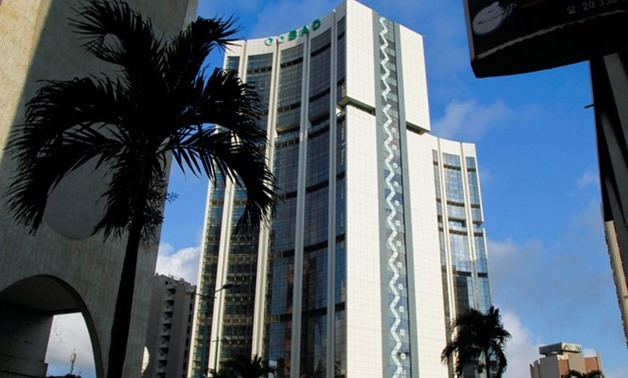




Cairo – June 12, 2025: The African Development Bank (AfDB) Group has approved a financing package of up to $184.1 million to back the development of the Obelisk solar project in southern Egypt.
Once completed, the project will stand as Africa’s largest solar power facility, with a capacity of 1 gigawatt. It will also feature a 200 MWh battery energy storage system to enhance grid stability and ensure a more consistent flow of renewable energy.
To be located in Qena Governorate, the Obelisk project involves the design, construction, operation, and maintenance of a large-scale solar plant integrated with energy storage. The Egyptian Electricity Transmission Company will act as the sole off-taker under a 25-year Power Purchase Agreement.
The total development cost exceeds $590 million, with the African Development Bank contributing $125.5 million from its ordinary capital resources. An additional $20 million will come from the Bank-managed Sustainable Energy Fund for Africa (SEFA), $18.6 million from the Canada-African Development Bank Climate Fund, and $20 million from the Clean Technology Fund under the Climate Investment Funds umbrella. Further funding is expected from a consortium of development finance institutions.
The project has been awarded a "Golden License" under Egypt’s Nexus of Water, Food, and Energy (NWFE) initiative, reflecting its strategic significance to the country’s energy goals. It is part of a broader energy transition effort to install 10 GW of renewable capacity and phase out 5 GW of fossil fuel generation by 2030.
“The Obelisk solar project is another important milestone for Egypt under the energy pillar of the NWFE program which has since its launch in November 2022 at COP27 in Sharm El Sheikh delivered 4.2 GW of privately financed renewable energy investments, worth about $4 billion, with the support of partners such as the Africa Development Bank,” said Rania Al-Mashat, Minister of Planning, Economic Development, and International Cooperation.
Once operational—targeted for the third quarter of 2026—the plant will generate approximately 2,772 GWh of clean energy annually. The integrated battery system will enable the grid to meet peak evening demand using solar power, while also mitigating fluctuations in generation. Environmental benefits include an estimated annual reduction of one million tons of carbon dioxide emissions.
Employment impact is also a key feature, with the construction phase expected to create around 4,000 jobs and 50 permanent positions during operations. Special emphasis will be placed on the inclusion of women and youth in the workforce.
“Obelisk is another landmark development under NWFE that leverages on Egypt’s and the African Development Bank’s leadership as well as commitment to harnessing the country’s renewable energy to enhance the resilience of the country’s energy supply to meet its fast-growing energy demand sustainably,” said Kevin Kariuki, AfDB Vice President for Power, Energy, Climate, and Green Growth.
The initiative also received strong endorsement from international partners. “Canada is proud to support solar energy development in Egypt. This initiative is a meaningful step toward enhancing energy security and stability, with direct benefits for the Egyptian people,” said Ulric Shannon, Ambassador of Canada to Egypt.
The project is closely aligned with the African Development Bank’s Ten-Year Strategy, the New Deal on Energy for Africa, and Egypt’s Country Strategy Paper. It also supports SEFA’s mission to catalyze renewable energy investment and help African nations transition toward low-carbon power systems.
“This project exploits the abundant renewable energy potential in Africa and demonstrates how strong partnerships and innovative solutions contribute to balancing three core objectives in the energy sector, namely energy security, affordability, and sustainable economic development,” said Wale Shonibare, Director of Energy Financial Solutions, Policy, and Regulation at AfDB. “It has high potential for replicability across the continent.”

Be Social




Comments
Leave a Comment