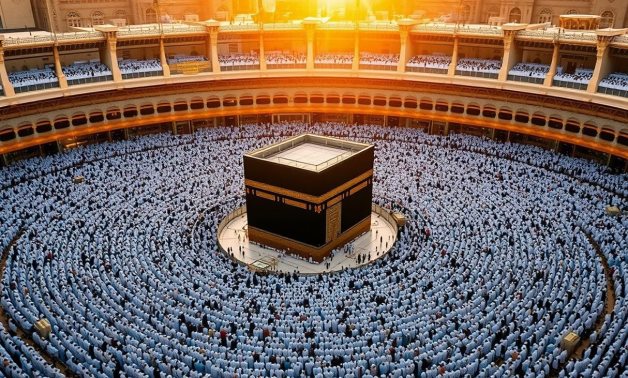
The movement of pilgrims to Arafat represents both the spiritual peak of Hajj and one of the most complex logistical operations of the annual pilgrimage.




CAIRO - 26 MAY 2026\
Hundreds of thousands of pilgrims arrived at the plains of Mount Arafat before dawn to perform the most important pillar of Hajj, as Saudi authorities intensified heat warnings and safety measures across the holy sites.
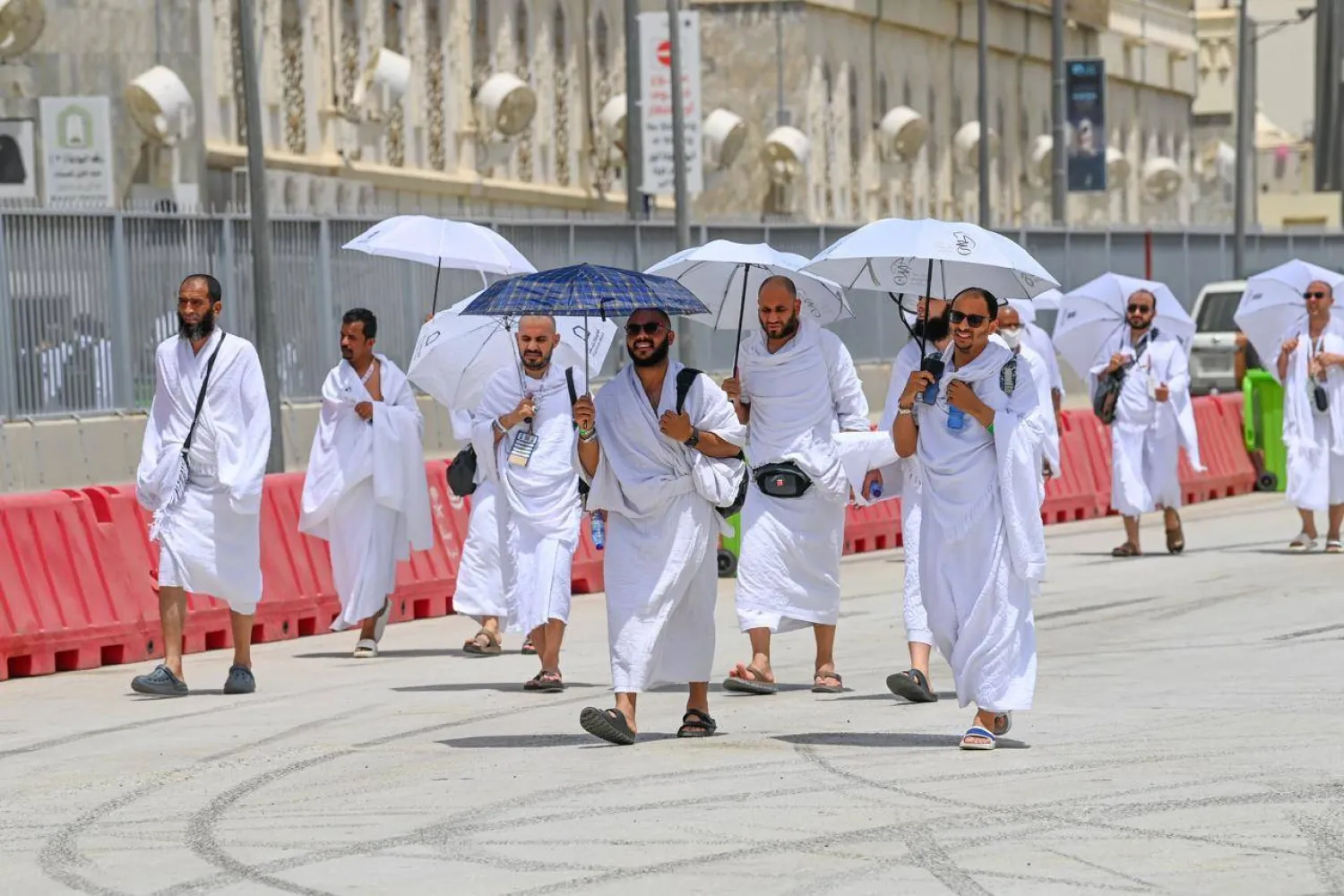

Hundreds of thousands of pilgrims began arriving at the plains of Mount Arafat before dawn on Tuesday to perform the most important pillar of Hajj in deeply spiritual scenes marked by prayer, reflection, and devotion.
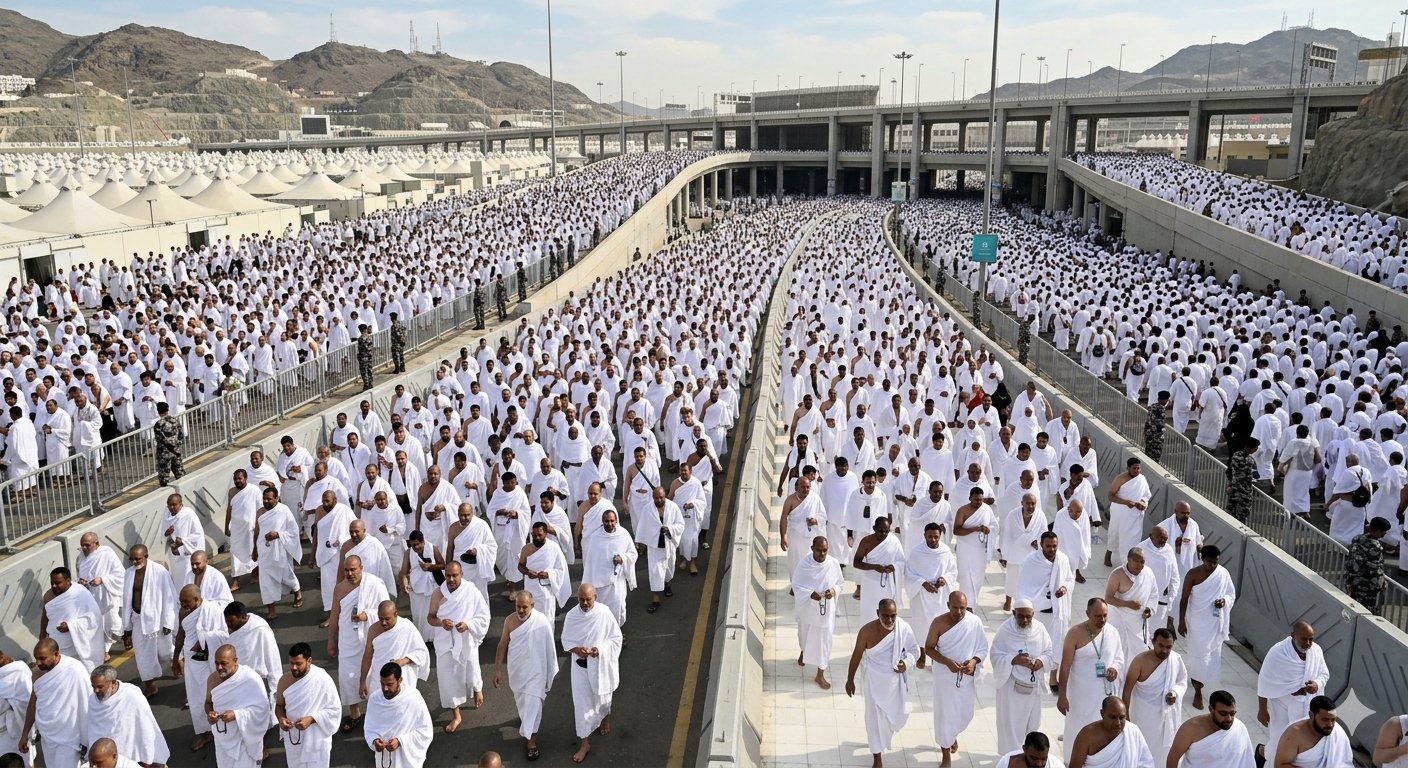
The movement of pilgrims from Mina to Arafat proceeded smoothly under extensive security and organizational measures implemented by Saudi authorities to manage crowd movement and ensure pilgrim safety.
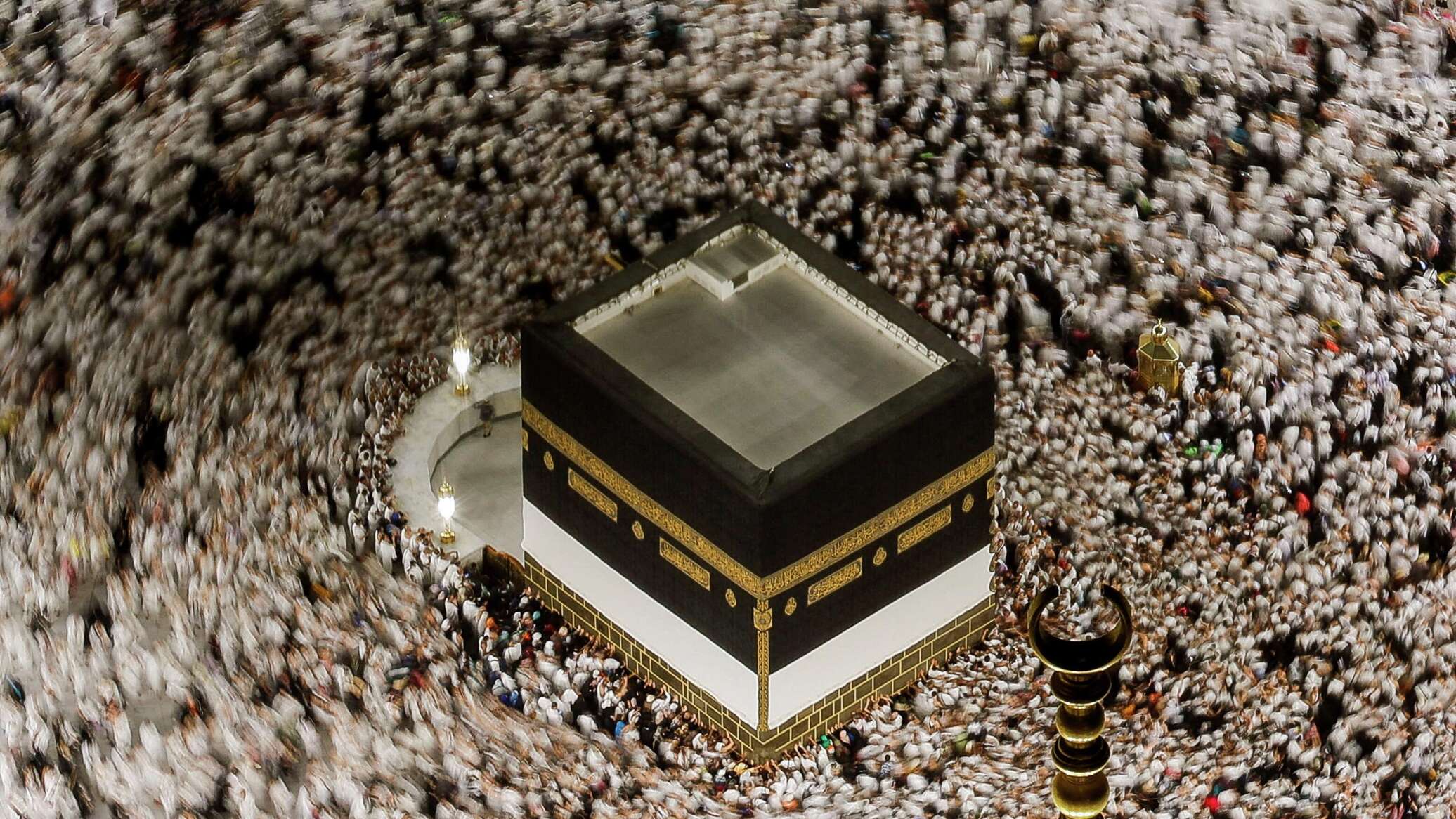
Pilgrims moved from the holy sites toward Arafat under extensive security, health, and logistical arrangements designed to ensure a smooth and safe Hajj journey.
Pilgrims are set to perform Dhuhr and Asr prayers combined and shortened at Namirah Mosque following the annual Arafat sermon, which this year is being delivered by Ali Al-Hudhaifi, imam and preacher of the Prophet’s Mosque in Medina.
After sunset, pilgrims will depart for Muzdalifah, where they will perform Maghrib and Isha prayers and spend the night before returning to Mina on Wednesday to continue the remaining Hajj rituals.
Standing at Arafat represents the spiritual climax of Hajj and one of the most sacred moments in the Islamic faith.
Saudi health and Hajj authorities intensified warnings against exposure to extreme heat as temperatures in the holy sites approached 46 degrees Celsius.
The Saudi Ministry of Health urged pilgrims to avoid walking between the holy sites during peak daytime hours and advised them to remain inside camps between 10 a.m. and 4 p.m. to reduce the risk of heat exhaustion and sunstroke.
According to Saudi Arabia’s National Center for Meteorology, temperatures are expected to remain extremely high across Mecca, Arafat, Mina, and Muzdalifah, accompanied by partially cloudy skies and active winds.
Official spokesperson Hussein Al-Qahtani said authorities are closely monitoring temperature levels through 21 weather stations strategically distributed across the holy sites, with hourly updates provided to support safety operations.
He added that coordination continues between meteorological authorities and other agencies under operational plans designed to protect pilgrims during the Hajj season.
As part of the “Hajj with Health” awareness campaign, Saudi authorities emphasized several safety measures, including continuous use of umbrellas during movement, drinking water regularly even without feeling thirsty, avoiding contact with exposed hot surfaces, and limiting movement during peak heat hours.
The Ministry of Health said protecting pilgrims remains a top priority and confirmed that awareness campaigns and medical guidance continue through field teams and digital platforms.
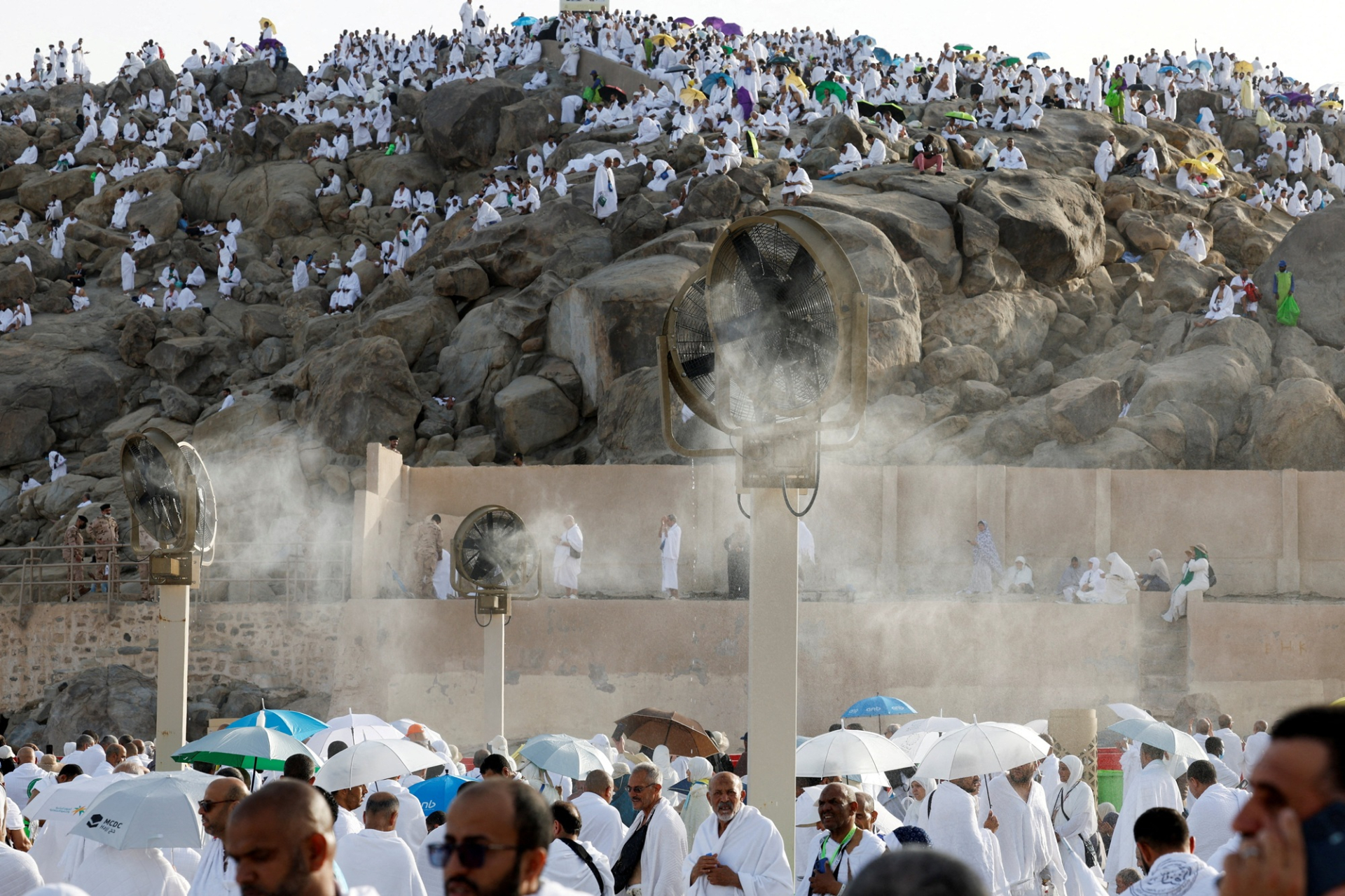
Field support teams, medical guidance, shaded areas, and cooling services were deployed to help pilgrims complete the rituals safely despite extreme temperatures.
To help ease temperatures around Arafat, authorities deployed water misting systems, cooling stations, and shaded areas around Jabal Al-Rahma, commonly known as the Mount of Mercy.
Field support teams were also deployed to assist elderly pilgrims and individuals with health conditions.
The plains of Arafat cover approximately 33 square kilometers and host more than two million pilgrims during the peak of Hajj.
Saudi authorities have implemented extensive logistical, security, and service operations to facilitate the rituals and ensure pilgrims can perform them safely and comfortably.
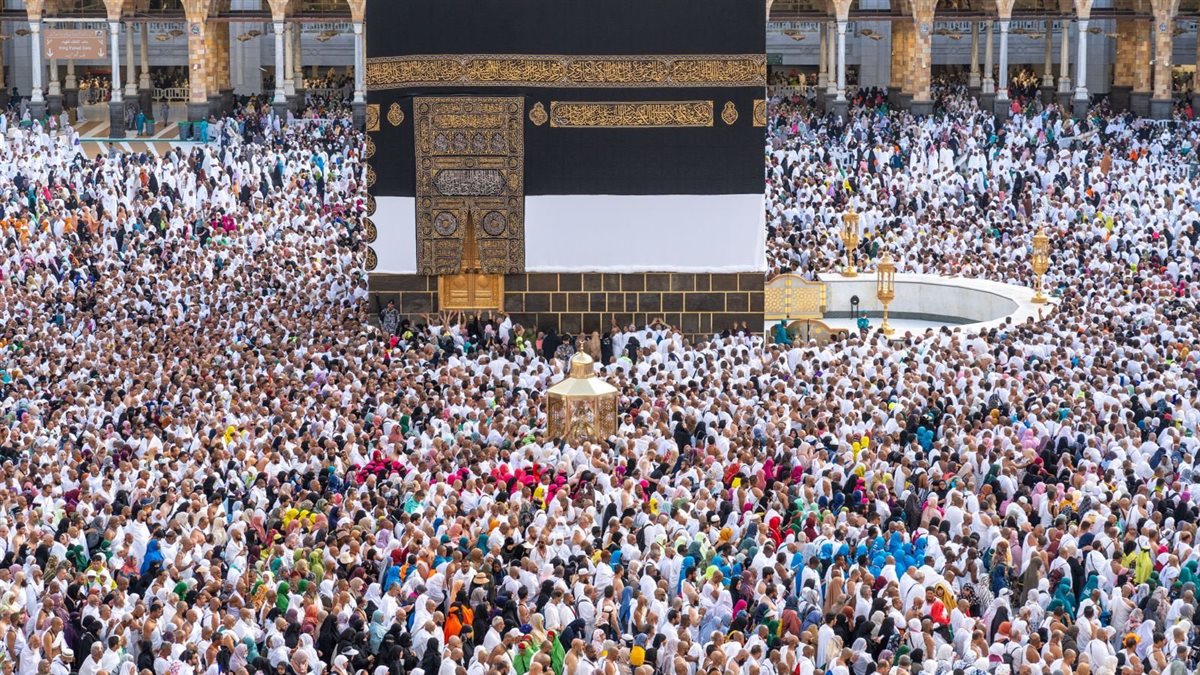
The area is surrounded by mountain ranges, with Jabal Al-Rahma standing prominently to the east of Arafat.
The hill rises approximately 65 meters above the surrounding land and is crowned by a seven-meter landmark visible across the holy site.
For Muslims around the world, standing at Arafat represents the spiritual climax of Hajj and one of the most sacred moments in the Islamic faith.
Pilgrims moved to Arafat before dawn under security and crowd management plans.
Pilgrims perform Dhuhr and Asr prayers combined and shortened after the Arafat sermon.
After sunset, pilgrims head to Muzdalifah to pray Maghrib and Isha and spend the night.
Pilgrims return to Mina on Wednesday to continue the remaining Hajj rituals.
The movement of pilgrims to Arafat represents both the spiritual peak of Hajj and one of the most complex logistical operations of the annual pilgrimage.
As temperatures rise across the holy sites, Saudi authorities continue combining crowd management, medical preparedness, meteorological monitoring, and cooling systems to help pilgrims perform the rituals safely and with dignity.

Be Social




Comments
Leave a Comment