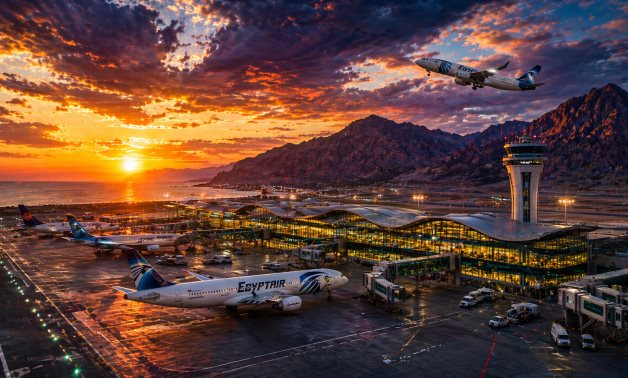
Modernized airports across Sinai reflect Egypt’s push to turn the peninsula into a connected development hub.




CAIRO - 24 APRIL 2026
Across Sinai, Egypt is reshaping its aviation network into a strategic system serving tourism, logistics, development, national security, and global connectivity.


In Sinai, aviation is no longer just about planes landing and taking off. It has become a central pillar in one of the most ambitious development transformations in Egypt’s modern history.
For decades, the peninsula’s airports were defined by geography and circumstance. Some served tourism, others operated below capacity, while a few remained largely dormant. Today, that reality is being systematically rewritten.
Across Sinai, a network of airports is undergoing an unprecedented wave of construction, modernization, and operational expansion, turning what was once a fragmented aviation landscape into an integrated system designed to serve economic growth, national security, and global connectivity.
This transformation is not happening in isolation. It is part of a wider state-driven vision to reposition Sinai as a fully developed, economically active, and strategically connected region.
The importance of airports in Sinai goes far beyond transport. Their development intersects with almost every major pillar of the state’s strategy.
First, tourism. Sinai remains one of Egypt’s most valuable tourism assets, particularly along the Red Sea. Airports such as Sharm El-Sheikh and Taba are critical entry points for millions of visitors each year.
Second, logistics and trade. With its proximity to the Suez Canal and key regional borders, Sinai has the potential to become a logistics corridor connecting Africa, Asia, and the Middle East.
Third, security. Modern airports equipped with advanced surveillance, navigation, and control systems provide critical support to national security infrastructure.
Finally, integration. Sinai’s long-standing challenge has been its relative isolation. Airports, alongside roads and tunnels, are helping to physically and economically integrate the peninsula with the rest of Egypt.
Sinai’s aviation network is becoming one of the clearest signs of how infrastructure can turn geography into opportunity.
Egypt Today analysis
What is emerging in Sinai is not a collection of independent airports, but a layered system where each facility serves a defined role.
A diversified aviation map serving tourism, logistics, security, and regional integration.
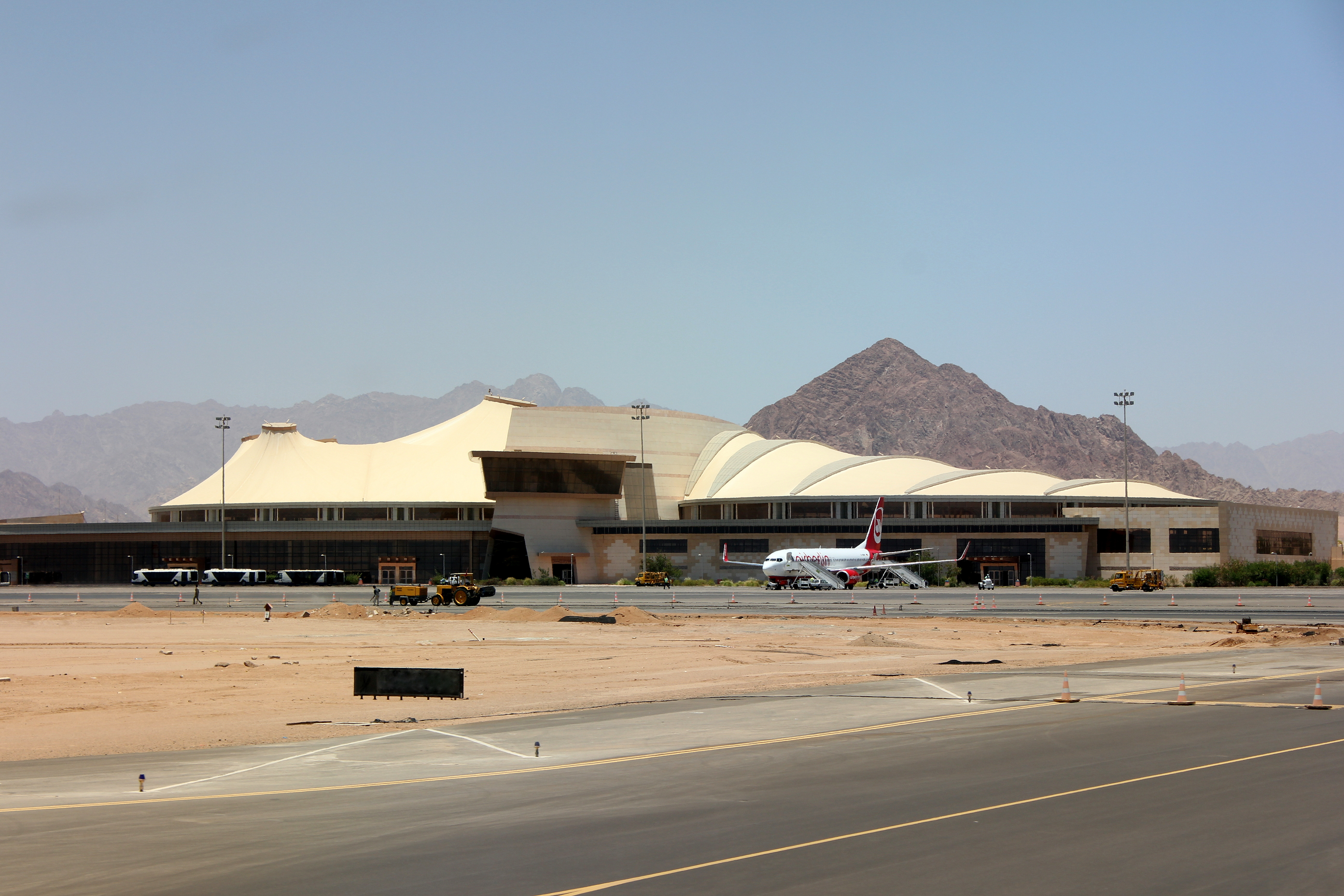
At the center of Sinai’s aviation system stands Sharm El-Sheikh International Airport, one of Egypt’s busiest and most strategically important airports.
Its transformation reflects a dual objective: handling increasing passenger volumes while upgrading to meet the highest operational standards.

Recent development works include new logistics and storage facilities, upgraded security and customs infrastructure, maintenance and structural upgrades in passenger terminals, a 200 cubic meter underground water tank supporting Terminal 2, and the replacement of three major cooling units.
At the technical level, the airport is also undergoing significant modernization, including the replacement of Instrument Landing Systems, upgrading radar and flight information systems, expanding surveillance networks, and improving runway lighting systems.
In contrast to Sharm’s scale, St. Catherine Airport represents a different philosophy. The project is a near-complete reconstruction, designed to support a more controlled and specialized form of tourism.
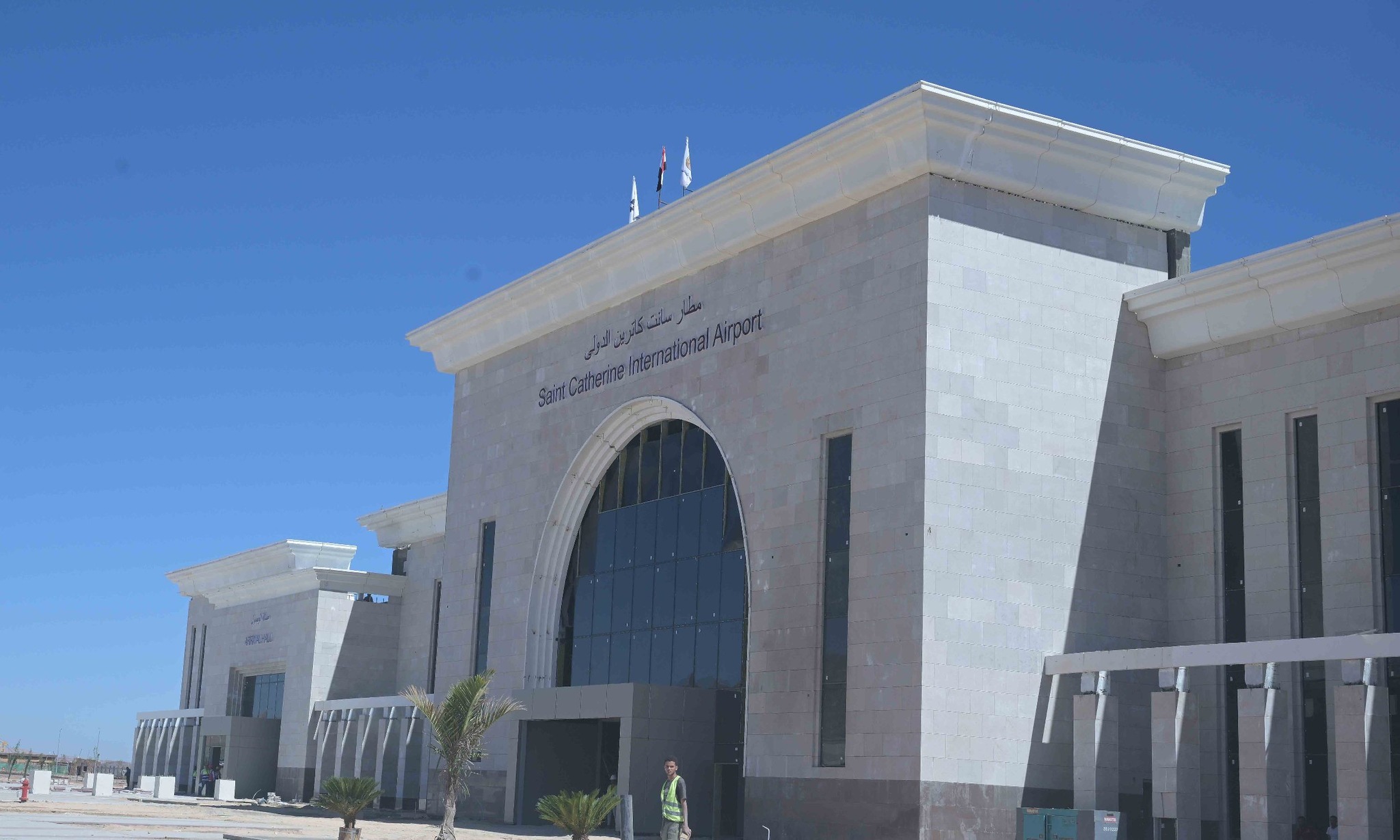
The airfield is being entirely reconfigured. A new runway is under construction, the existing runway is being converted into a parallel taxiway, and a new apron is being developed with capacity for up to eight Code C aircraft.
Alongside this, a new passenger terminal is being built with a capacity of 600 passengers per hour. The facility is equipped with modern communication systems, advanced security infrastructure, and integrated digital control systems.
In North Sinai, the development of El Arish International Airport carries a different weight. After years of limited activity, the airport is now being reactivated with a clear strategic purpose.
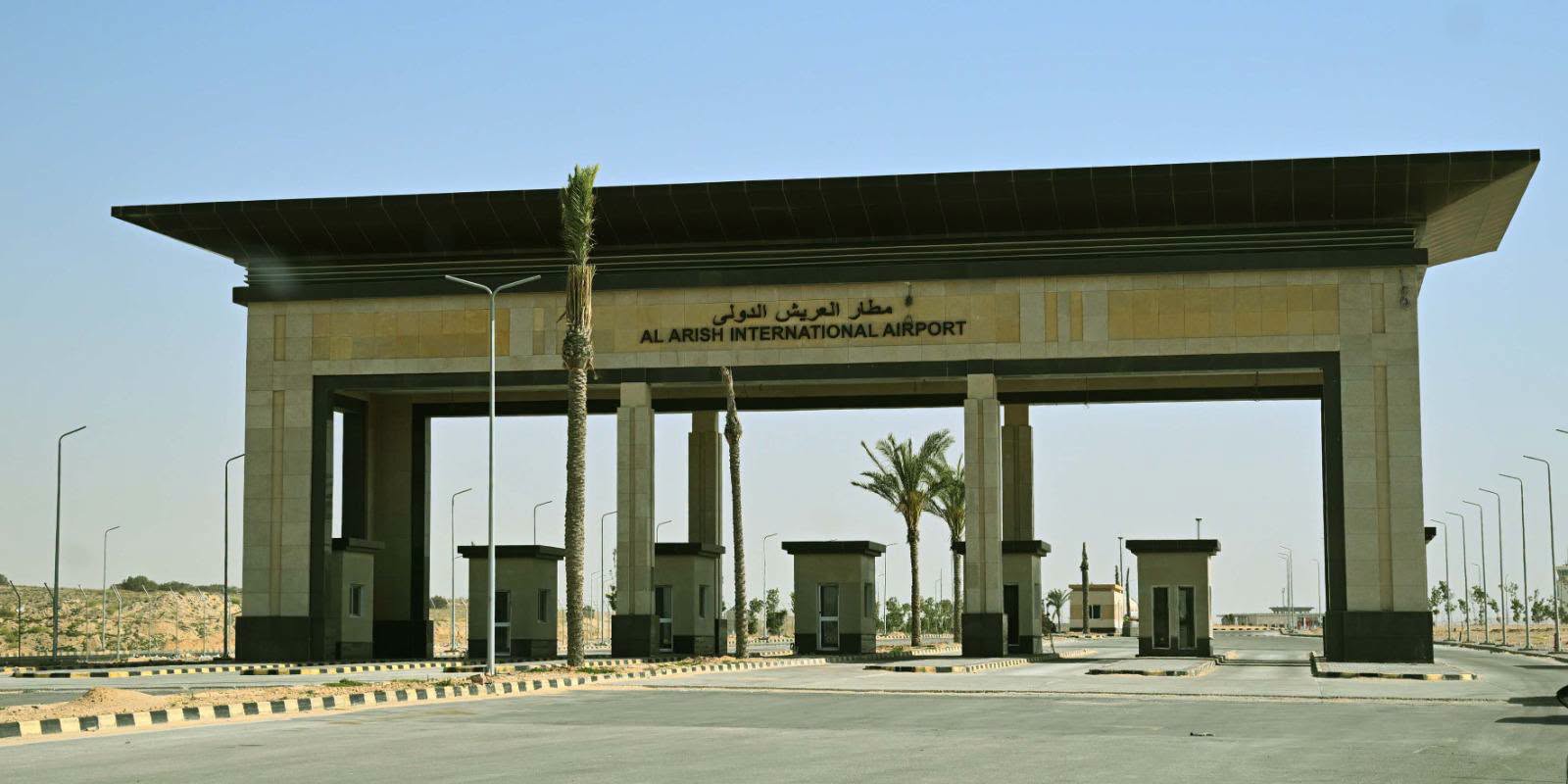
Trial operations of the upgraded airfield have already begun. A new passenger terminal is under construction with a capacity of 600 passengers per hour, while communication systems are being expanded to improve operational coordination.
Supporting systems are also being introduced, including automated weather stations in El Arish and Nakhl, along with equipment and furnishings to support airport functionality.
El Arish is not simply returning to operation. It is being repositioned as a future logistics hub capable of supporting reconstruction efforts, facilitating trade, and integrating North Sinai into the national economy.
Taba International Airport occupies a unique position within Sinai’s aviation network. Located near Egypt’s eastern borders, it serves as a key link between Egypt and neighboring markets.
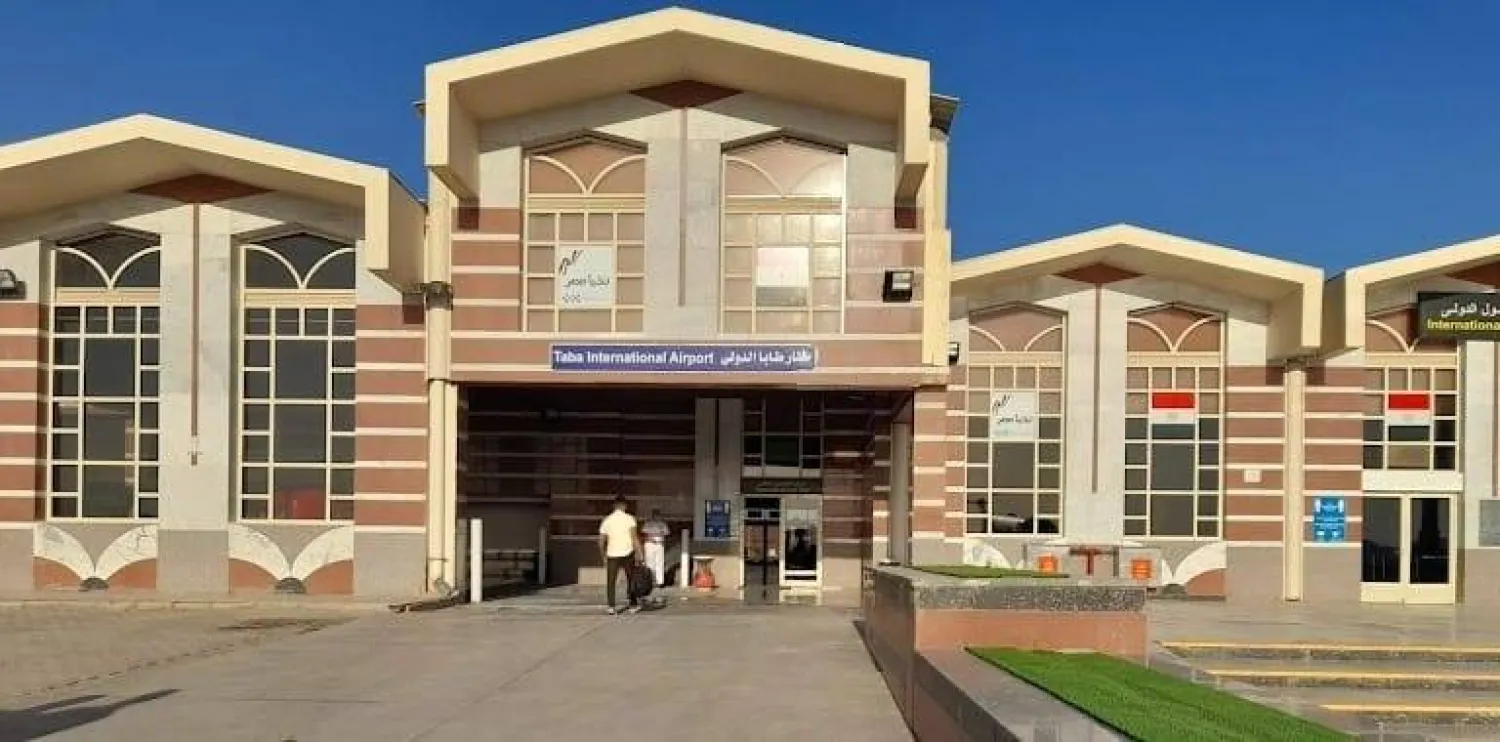
Recent upgrades have focused on strengthening both infrastructure and operational resilience, including new security and customs facilities, upgraded airport gates, a secure perimeter, reinforced electrical networks, and improved system reliability.
Backup systems have also been modernized through the replacement of generator stations to guarantee continuous operations. Navigation systems have undergone significant upgrades, including the replacement of ILS and DME systems and the installation of VOR and DME systems for improved aircraft guidance.
The development strategy does not stop at major airports. Smaller facilities such as El Tor and Bardawil are also being upgraded, ensuring that aviation coverage extends across the entire peninsula.
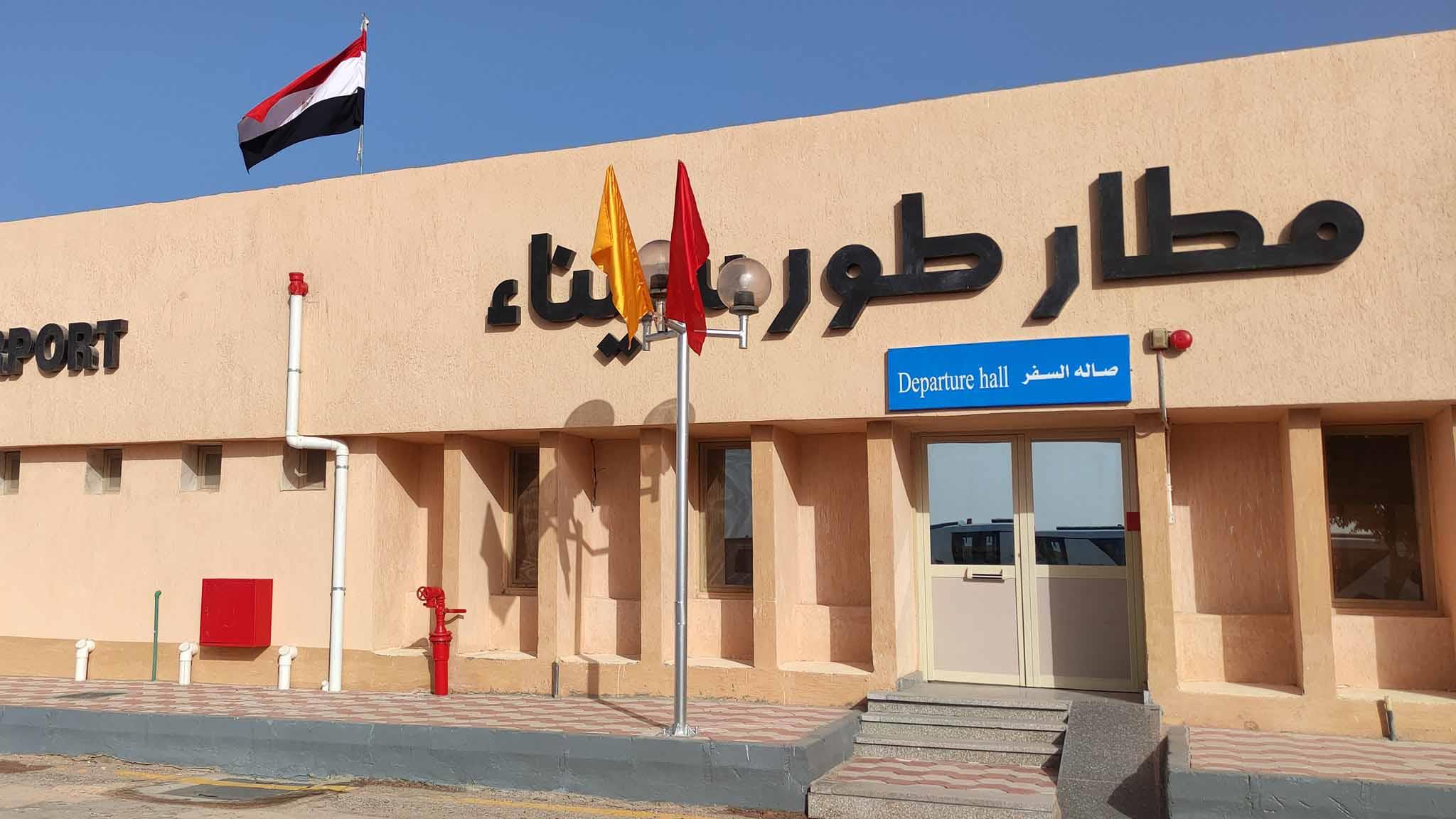
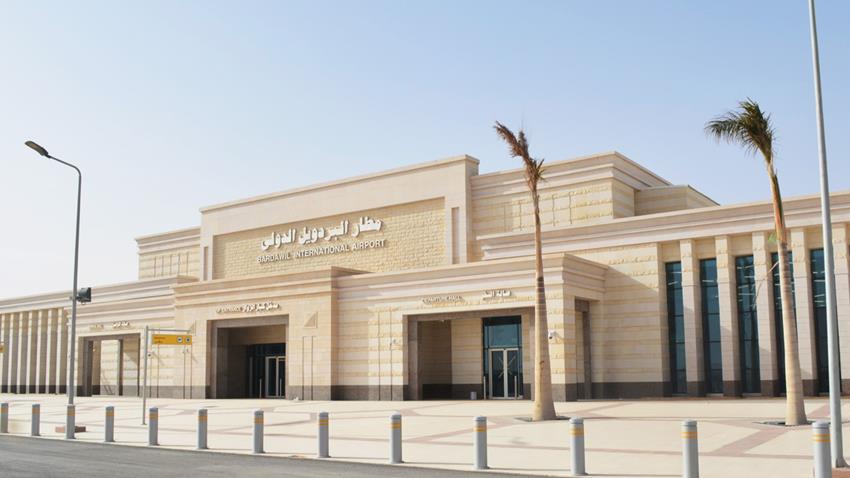
El Tor Airport has been equipped with a modern firefighting system and upgraded navigation equipment, while Bardawil Airport has received new apron lighting systems to support night operations.
Aviation depends as much on information as it does on infrastructure. Across Sinai, meteorological capabilities are being expanded to support safe and efficient operations.
Automated weather stations have been installed in Nuweiba, backup power systems have been deployed in Dahab, and equipment and facilities have been upgraded across multiple stations.
Behind every safe landing is a system of data, forecasting, navigation, and control that passengers rarely see.
Aviation safety perspective
Sinai’s airports are not standalone projects. They are deeply connected to a broader infrastructure ecosystem that includes the Suez Canal tunnels, a growing road network, new urban developments, and energy and water projects supporting long-term sustainability.
Airports open Sinai to religious, cultural, beach, and eco-tourism markets.
Upgraded aviation capacity supports cargo, trade, and regional movement.
Modern control, surveillance, and navigation systems improve operational resilience.
Airports work alongside roads, tunnels, cities, water, and energy projects to connect Sinai with mainland Egypt.
The combined effect of these developments is already visible. Airports across Sinai are seeing improved operational readiness, increased capacity, and enhanced safety standards.
As upgrades continue, further growth is expected in passenger traffic, airline connectivity, cargo and logistics operations, and investment in tourism and related sectors.
Looking ahead, Sinai’s aviation network is expected to evolve further, incorporating smart technologies, automation, and more advanced air traffic management systems.
What is happening in Sinai is not a single project or even a group of projects. It is a systemic transformation.
Airports, once limited in role, are becoming central to how Sinai functions, connects, and grows. They are enabling movement, attracting investment, supporting stability, and opening the peninsula to new possibilities.
In that sense, the story of Sinai’s airports is not just about aviation. It is about a region redefining itself, runway by runway, terminal by terminal, flight by flight.

Be Social




Comments
Leave a Comment