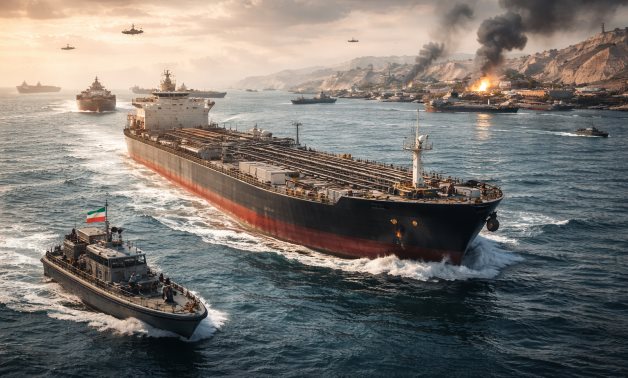
Iran restricts Hormuz again as U.S. keeps blockade, raising tensions and threatening global energy supply.




CAIRO - 18 APRIL 2026: Iran has reimposed restrictions on the Strait of Hormuz, reversing an earlier move to reopen the vital waterway, after the United States said it would maintain its blockade on Iran-linked shipping despite ongoing ceasefire efforts.
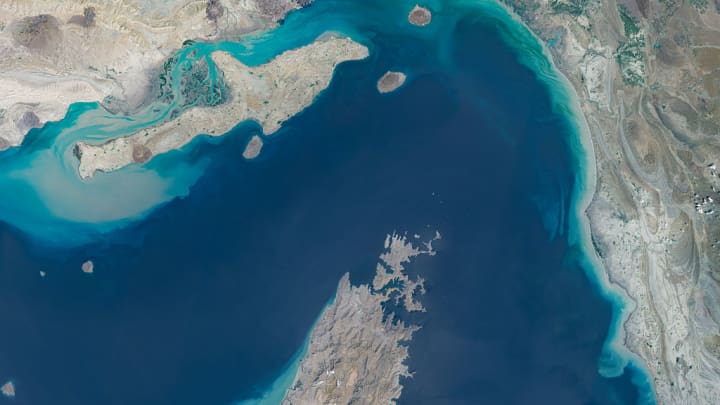
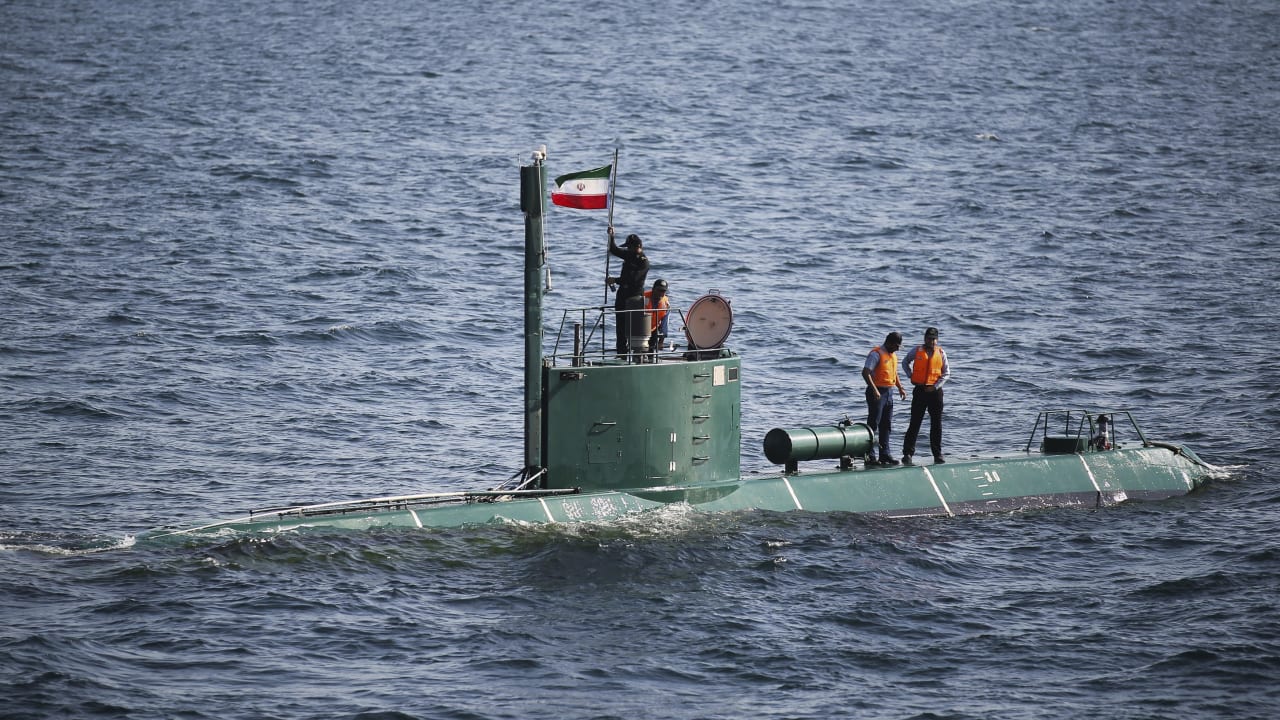
In a statement on Saturday, Iran’s joint military command said control of the strait had returned to “strict management” by its armed forces, warning that transit would remain restricted as long as U.S. measures against Iranian ports continue.
The move came hours after U.S. President Donald Trump said Washington’s blockade would stay in place until Tehran reaches a broader agreement with the United States, including on its nuclear program.

The escalation underscores the fragility of the current ceasefire framework, which has struggled to hold amid overlapping conflicts and competing demands.
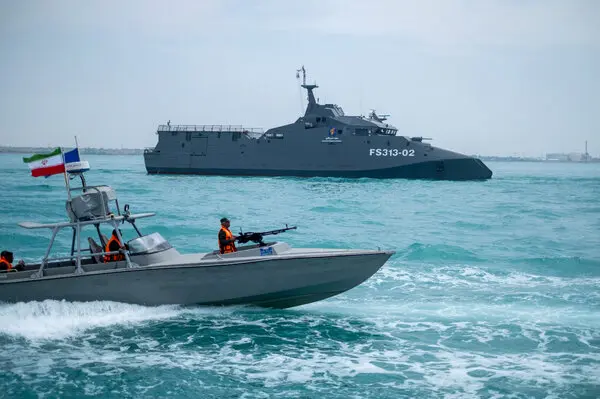
Iran had briefly reopened the strait following a 10-day truce between Israel and Hezbollah in Lebanon, a key condition raised by Tehran during negotiations. But officials in Iran later accused Washington of violating the spirit of the ceasefire by maintaining pressure through maritime restrictions.
Control of the Strait of Hormuz, through which roughly one-fifth of the world’s oil passes, remains one of Iran’s strongest sources of leverage in the conflict.
Data firm Kpler said vessel movement in the strait is still limited to controlled corridors that require Iranian approval, highlighting the continued disruption to global energy flows.
U.S. Central Command said it has already turned back 21 ships attempting to reach Iranian ports since the blockade began earlier this week.

The renewed restrictions threaten to deepen an already volatile energy crisis.
Oil prices had begun to ease on Friday amid hopes of a breakthrough between Washington and Tehran. However, the latest developments have raised fresh concerns about supply disruptions, with any prolonged constraints on Hormuz likely to push prices higher again.
The waterway remains one of the most critical chokepoints in global trade, and even partial disruption has immediate consequences for energy markets and shipping routes worldwide.
Despite the escalation, diplomatic efforts are ongoing.
Pakistani officials say negotiations between the United States and Iran are still moving forward, with a potential agreement under discussion ahead of a ceasefire deadline later this month.
Pakistan has played a central mediating role, with Army Chief Field Marshal Asim Munir visiting Tehran, while Prime Minister Shehbaz Sharif held talks with regional leaders in Turkey.
A second round of talks between Washington and Tehran is expected to take place in Islamabad in the coming days.
Pakistan’s Foreign Minister Ishaq Dar described the ceasefire in Lebanon as a positive development, saying it had helped remove a major obstacle that had previously stalled negotiations.
Questions remain, however, over the durability of the Lebanon truce.
Israeli Prime Minister Benjamin Netanyahu said Israel agreed to the ceasefire at Washington’s request but made clear that its campaign against Hezbollah is not over.
He claimed Israeli forces had destroyed most of the group’s missile capabilities and warned that operations could continue if needed.
While Washington has said Israel is prohibited from launching further offensive strikes, officials clarified that the restriction does not apply to defensive actions.
On the ground, the situation remains tense. Displaced families have begun returning to southern Lebanon and Beirut’s southern suburbs, even as authorities warn that the ceasefire may not hold.
Reports of sporadic shelling in parts of southern Lebanon in the hours after the truce took effect have reinforced concerns that the calm could be short-lived.
The war, which began on February 28 with U.S. and Israeli strikes on Iran, has since expanded across multiple fronts.
According to the figures cited, at least 3,000 people have been killed in Iran, more than 2,290 in Lebanon, 23 in Israel, and over a dozen in Gulf states. Thirteen U.S. service members have also been killed.
With tensions still high and core issues unresolved, the situation remains highly volatile.
For now, the ceasefire offers only a narrow window for diplomacy, while control of the Strait of Hormuz continues to shape the balance between escalation and negotiation.

Be Social




Comments
Leave a Comment