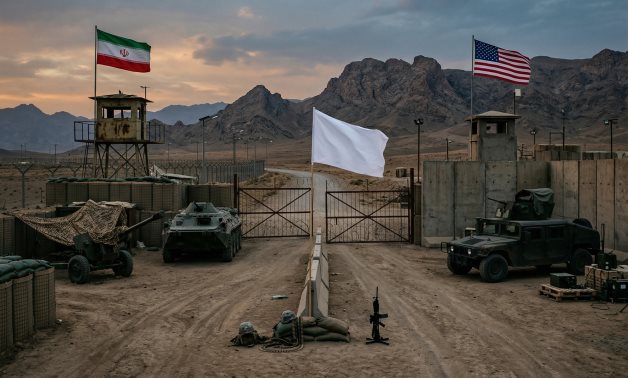
A fragile U.S.-Iran ceasefire opens the way for talks, but deep divisions still threaten hopes for a lasting deal.




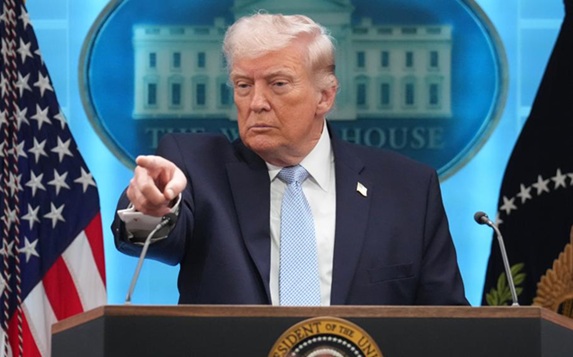
CAIRO - 9 April 2026: U.S. President Donald Trump’s decision to pause military operations against Iran came with clear conditions and does not signal the end of the war. Instead, it represents a temporary window for de-escalation tied to specific commitments from Tehran, amid continued tensions across the region.
Although a two-week ceasefire has been announced, both sides remain on high alert. Washington has warned it could resume strikes if negotiations fail, while Iran has made clear that its restraint is conditional and could be reversed at any moment.


The U.S. proposal centers on a short-term ceasefire designed to open the door to broader negotiations. At its core is a two-week halt in military strikes, presented as a confidence-building measure and a test of Iran’s willingness to engage seriously in diplomacy.
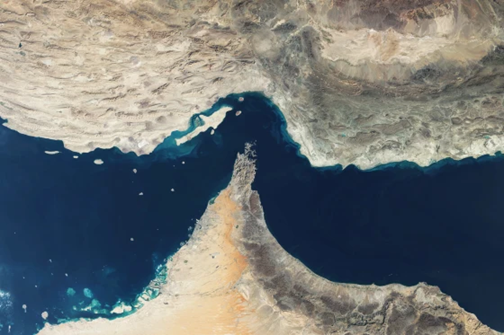
A key condition is the full and immediate reopening of the Strait of Hormuz, a vital global energy corridor that Iran had effectively restricted during the conflict.

Washington also seeks to use the pause as a gateway to wider negotiations addressing Iran’s nuclear program, ballistic missile capabilities and regional activities, particularly its support for allied groups.
The framework is understood to follow a phased approach, beginning with a temporary truce that could be extended, followed by comprehensive talks aimed at reaching a longer-term agreement.
At the same time, the U.S. position carries implicit pressure. The ceasefire came shortly before a potential deadline for large-scale military action, signaling that diplomacy is being pursued alongside the option of force.
Iran, for its part, has presented a multi-point proposal that it views as a basis for negotiations, though several of its demands are likely to face strong resistance.
Central to Tehran’s position is the lifting of all economic sanctions, which it considers essential for any sustainable agreement.
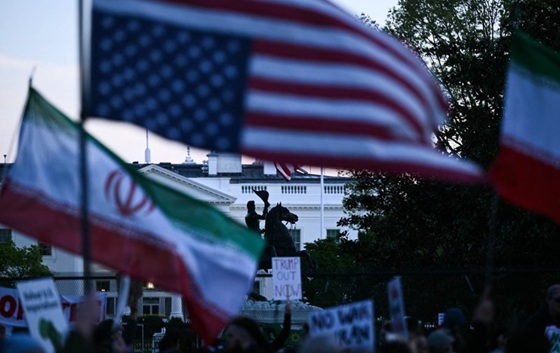
Iran has also called for a reduction or withdrawal of U.S. military presence in the region, framing the move as necessary to reduce tensions and guarantee its security.
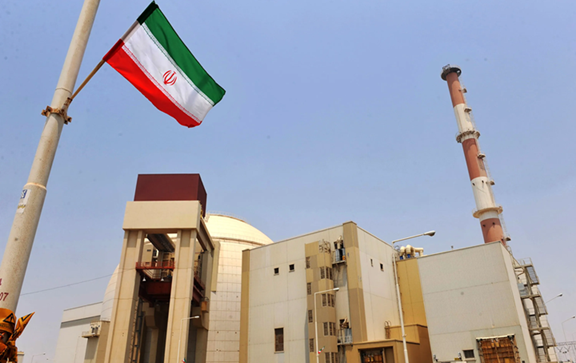
Another critical issue is recognition of Iran’s nuclear program, including its right to uranium enrichment, a longstanding point of contention with Washington.
Tehran has also sought to retain a degree of influence over the Strait of Hormuz, reflecting the strategic leverage the waterway provided during the conflict.
Iran’s proposal also includes broader demands such as security guarantees, an end to hostilities against Iran and its regional allies, and mechanisms to address the economic and human costs of the war.
Like Washington, Tehran has stressed that the ceasefire remains conditional and depends on a complete halt to attacks.
Despite significant differences, there are areas where the two sides appear to converge.
Both have agreed, at least temporarily, to halt hostilities, creating space for diplomacy and reducing the immediate risk of further escalation.
There is also a shared recognition of the importance of reopening the Strait of Hormuz, even if disagreements persist over its long-term governance and control.
Additionally, both Washington and Tehran appear willing to treat the current proposals as starting points for negotiations rather than final settlements.
The concept of a phased diplomatic process, beginning with a temporary truce and potentially evolving into a broader agreement, also appears to be accepted by both sides.
However, several major disputes remain unresolved and could prove difficult to bridge.
Sanctions relief remains one of the most significant obstacles, with Iran demanding full removal while the United States is likely to treat sanctions as leverage in negotiations.
Iran’s nuclear program represents another central dispute, as Tehran insists on its right to uranium enrichment while Washington seeks strict limitations.
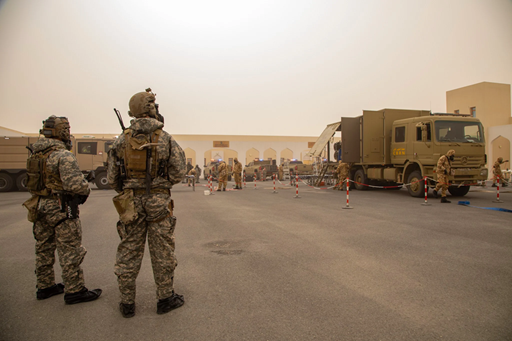
The future of U.S. military presence in the region is equally contentious, with Iran pushing for withdrawal while Washington maintains its role as a security partner to regional allies.
Control and regulation of the Strait of Hormuz also remain sensitive issues, reflecting deeper strategic rivalries.
These competing proposals come ahead of expected negotiations in Islamabad, where mediators hope to build on the current ceasefire and push toward a more durable arrangement.
The talks are expected to focus on narrowing the gaps between the two sides while preserving the fragile momentum created by the temporary truce.
If successful, they could mark the first direct negotiations between Washington and Tehran since the outbreak of the war, potentially representing a critical turning point.
Yet the outcome remains uncertain.
The ceasefire is not a peace agreement but rather a narrow diplomatic opening that could either lead to a breakthrough or collapse under the weight of unresolved differences.
As both sides prepare for negotiations, the stakes remain high, with the future of regional stability hanging in the balance.

Be Social




Comments
Leave a Comment