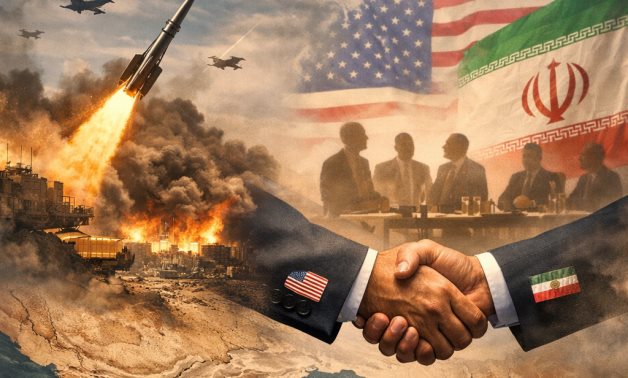
For a brief moment, it looked like the Middle East was sliding toward a regional war involving multiple states.
CAIRO - 8 April 2026: For weeks, the Middle East had been edging toward a conflict that many analysts feared could spiral into a full-scale regional war. Missiles, drones, naval blockades, and escalating rhetoric between Iran, Israel, and the United States had turned the region into one of the most dangerous geopolitical flashpoints in decades.
Then, almost at the last minute, came the pause.
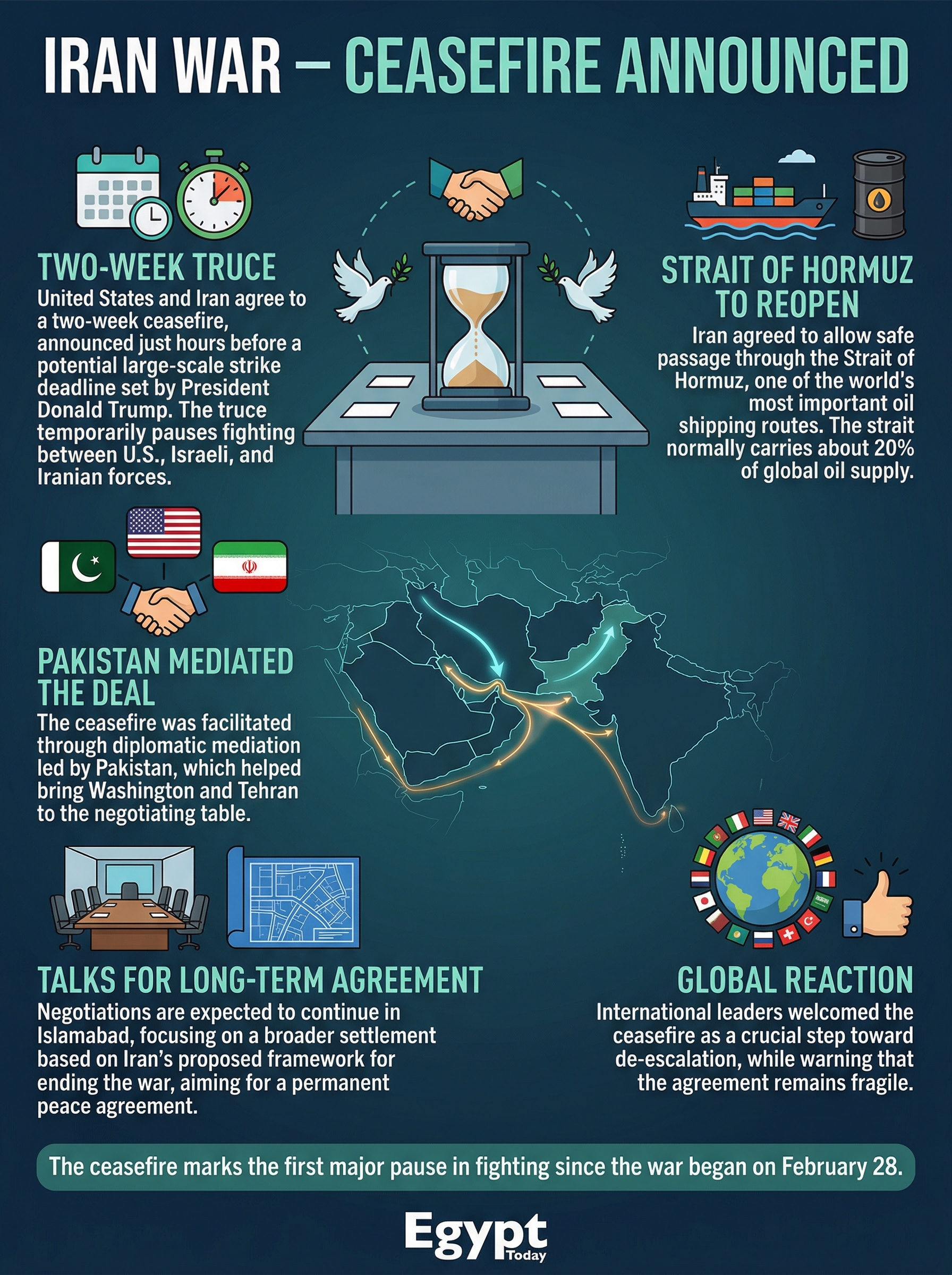
A two-week ceasefire was agreed between Iran and the United States, with Israel supporting the pause, barely hours before a deadline set by Donald Trump that could have triggered devastating strikes on Iranian infrastructure.
The truce, described by some diplomats as a “step back from the brink,” temporarily halted a war that had already shaken global energy markets, triggered mass displacement across parts of the Middle East, and brought international shipping in the Persian Gulf to a near standstill.
Yet the ceasefire is not peace. It is something much more uncertain.
A war that spread beyond Iran
The conflict began when the United States and Israel launched strikes on Iran in late February, targeting military and strategic infrastructure. Iran responded with missile and drone attacks against U.S. bases, Israeli territory, and shipping routes in the Gulf.
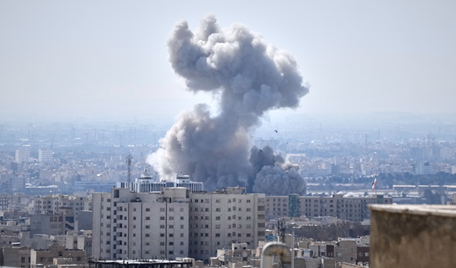 A plume of smoke rises after a strike in Tehran on March 1, 2026 - Photograph: Vahid Salemi/AP
One of Tehran’s most powerful responses was its closure of the Strait of Hormuz, the narrow waterway through which roughly 20 percent of the world’s oil supply normally flows.
The closure triggered immediate global consequences.
Oil prices surged. Tankers were stranded. Shipping companies suspended transit. Financial markets reacted with sharp volatility as governments and energy traders feared a prolonged disruption to the global economy.
Meanwhile, the military confrontation expanded beyond Iran itself. Proxy groups, regional militias, and allied forces were drawn into the conflict, from Lebanon to Iraq and the Gulf.
For a brief moment, it looked like the Middle East was sliding toward a regional war involving multiple states.
The diplomacy behind the truce
The ceasefire itself was born not out of trust, but urgency.
Mediation efforts led by Shehbaz Sharif helped broker the agreement between Washington and Tehran, with other regional actors quietly pushing for de-escalation behind the scenes.
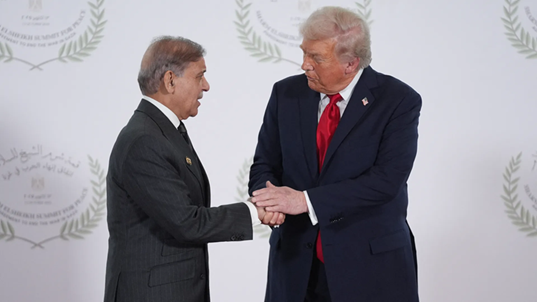 Pakistan's Prime Minister Shehbaz Sharif meets Trump during a summit on Gaza in October, 2025. Photo: Evan Vucci/pool/Getty
The deal is simple on paper.
The United States agreed to suspend strikes against Iran for two weeks. Iran, in return, agreed to reopen the Strait of Hormuz and allow safe passage for international shipping.
Behind that seemingly straightforward exchange lies a far more complex diplomatic landscape.
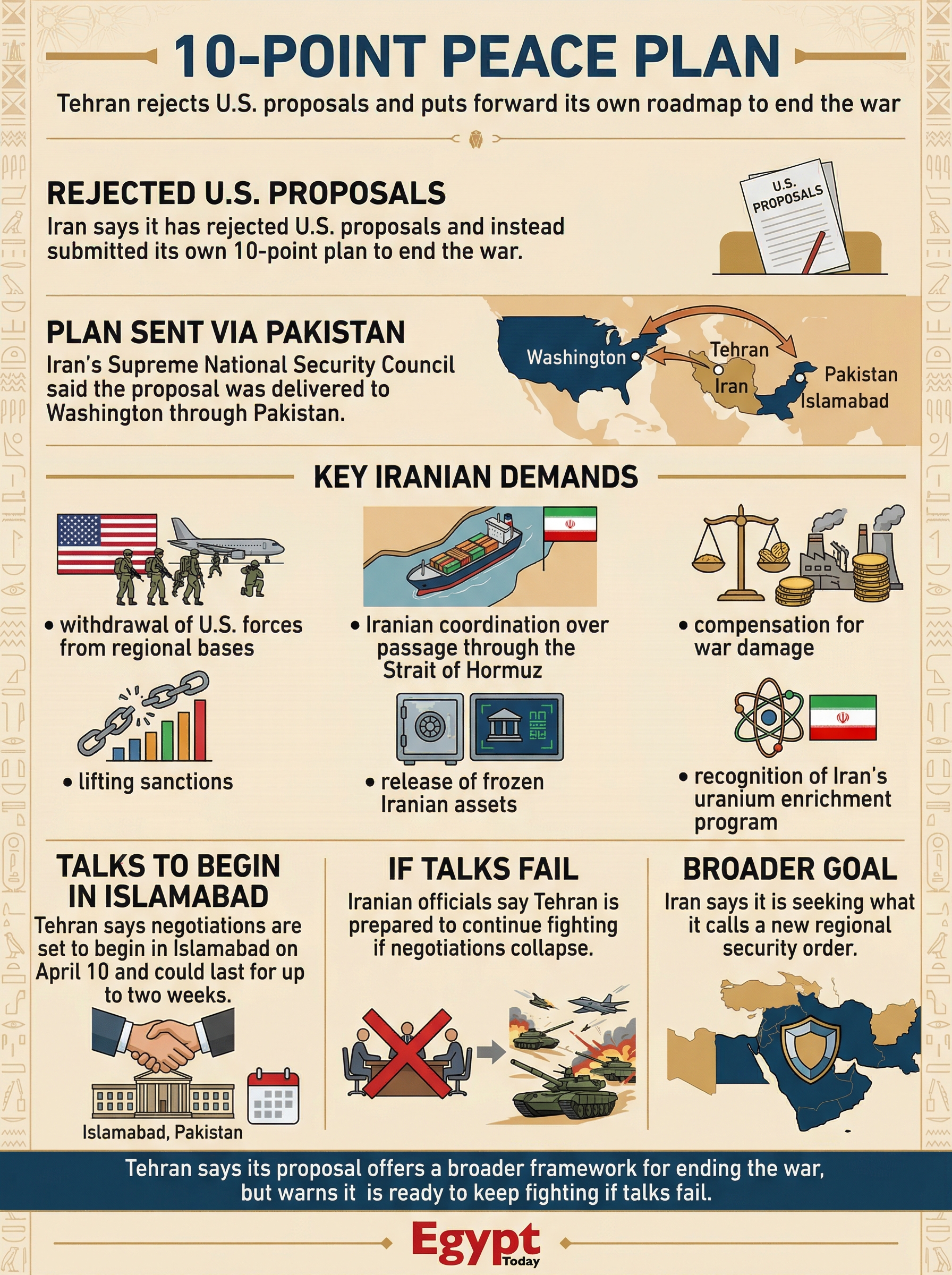
Tehran has presented a broader 10-point political proposal that could form the basis for longer negotiations, while Washington has signaled that any long-term agreement would require deeper concessions from Iran.
In other words, the ceasefire is not a settlement. It is merely an opportunity to start talking.
A pause, not a solution
Despite the ceasefire announcement, the region remains tense.
Israel has made clear that its operations against Hezbollah in Lebanon could continue, meaning the broader security crisis in the Middle East has not ended.
Iran, meanwhile, insists that the truce is conditional. Officials in Tehran have framed the ceasefire as a strategic victory rather than a compromise, suggesting that domestic political narratives could complicate negotiations.
Even after the truce was announced, missile alerts were reported in parts of the Gulf region, underlining how volatile the situation remains.
For diplomats, the next two weeks will be crucial.
They represent a narrow window in which political dialogue could replace military escalation.
The economic stakes
Beyond the battlefield, the ceasefire carries enormous economic implications.
The Strait of Hormuz crisis has already demonstrated how quickly regional conflicts can ripple across the global economy. When the waterway closed, tanker traffic collapsed and energy markets reacted instantly.
The reopening of the strait following the ceasefire has already begun easing pressure on oil markets and global shipping routes.
But the stability of those markets now depends entirely on whether the ceasefire holds.
If fighting resumes, the consequences could once again reach far beyond the Middle East.
What happens next
The next phase of diplomacy is expected to involve talks that could take place in Pakistan, where mediators hope to turn the temporary ceasefire into a longer framework for negotiations.
Those talks will likely focus on several unresolved issues:
♦ Iran’s nuclear program
♦ Security guarantees in the Gulf
♦ Maritime security in the Strait of Hormuz
♦ The role of regional militias and proxy forces
Each of these issues has derailed negotiations in the past.
Which is why many analysts caution that the current ceasefire should be viewed not as a breakthrough, but as a breathing space.
The fragile calm
In the end, the current ceasefire represents something rare in modern geopolitics: a moment when diplomacy interrupted a war that seemed almost inevitable.
But whether it becomes the beginning of peace or simply the intermission before another round of escalation remains uncertain.
For now, the missiles have stopped.
The ships are moving again.
And the world is watching to see whether the silence will last.








Comments
Leave a Comment