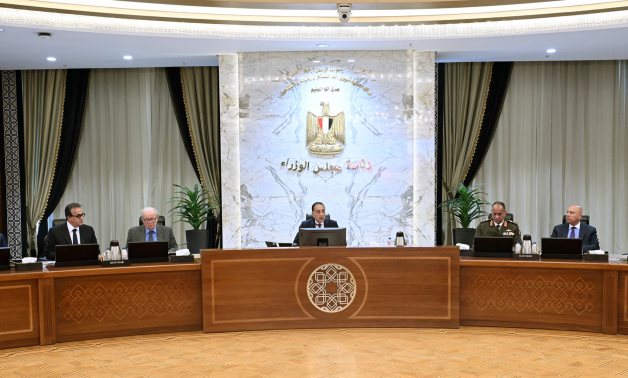
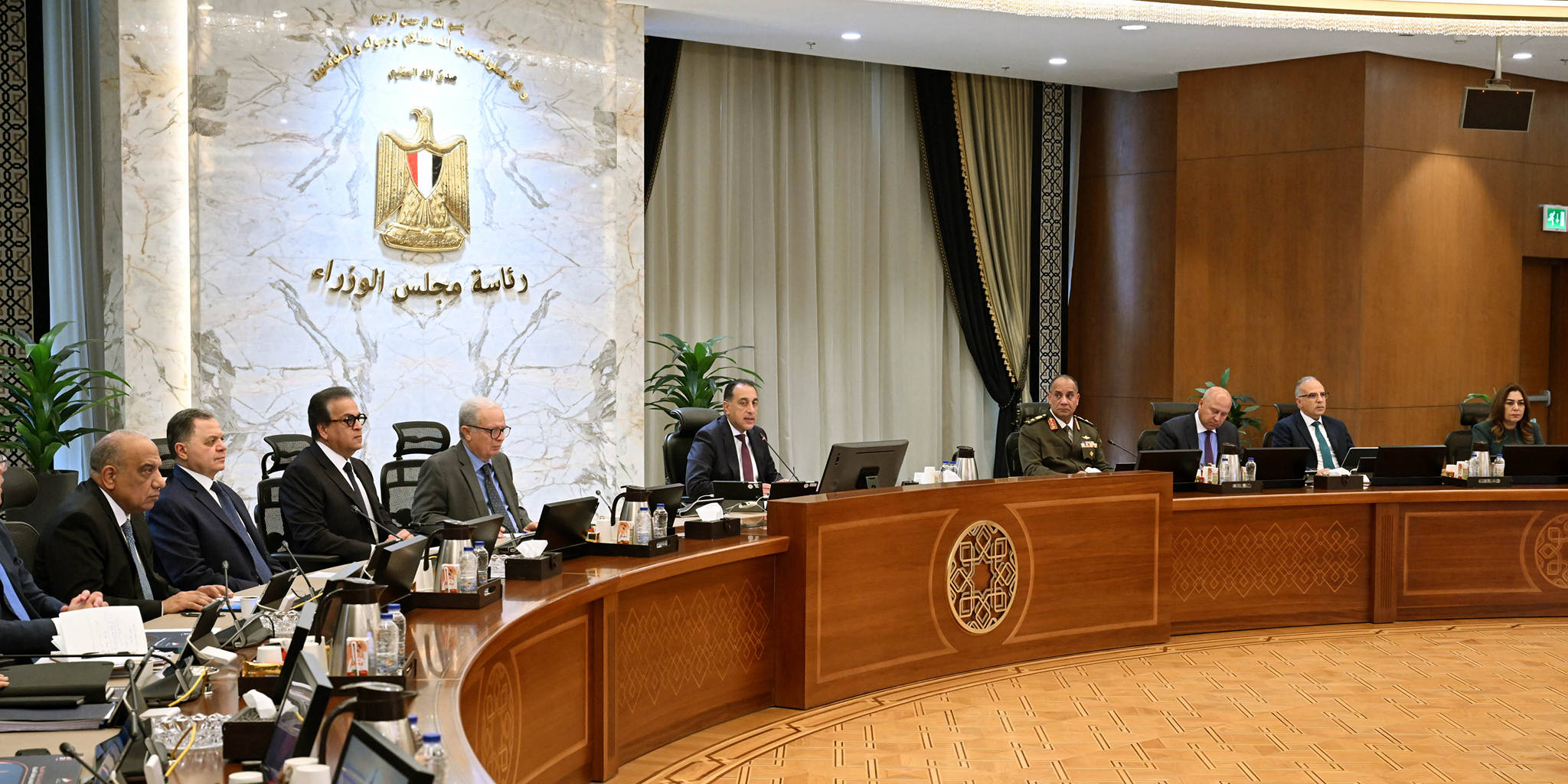
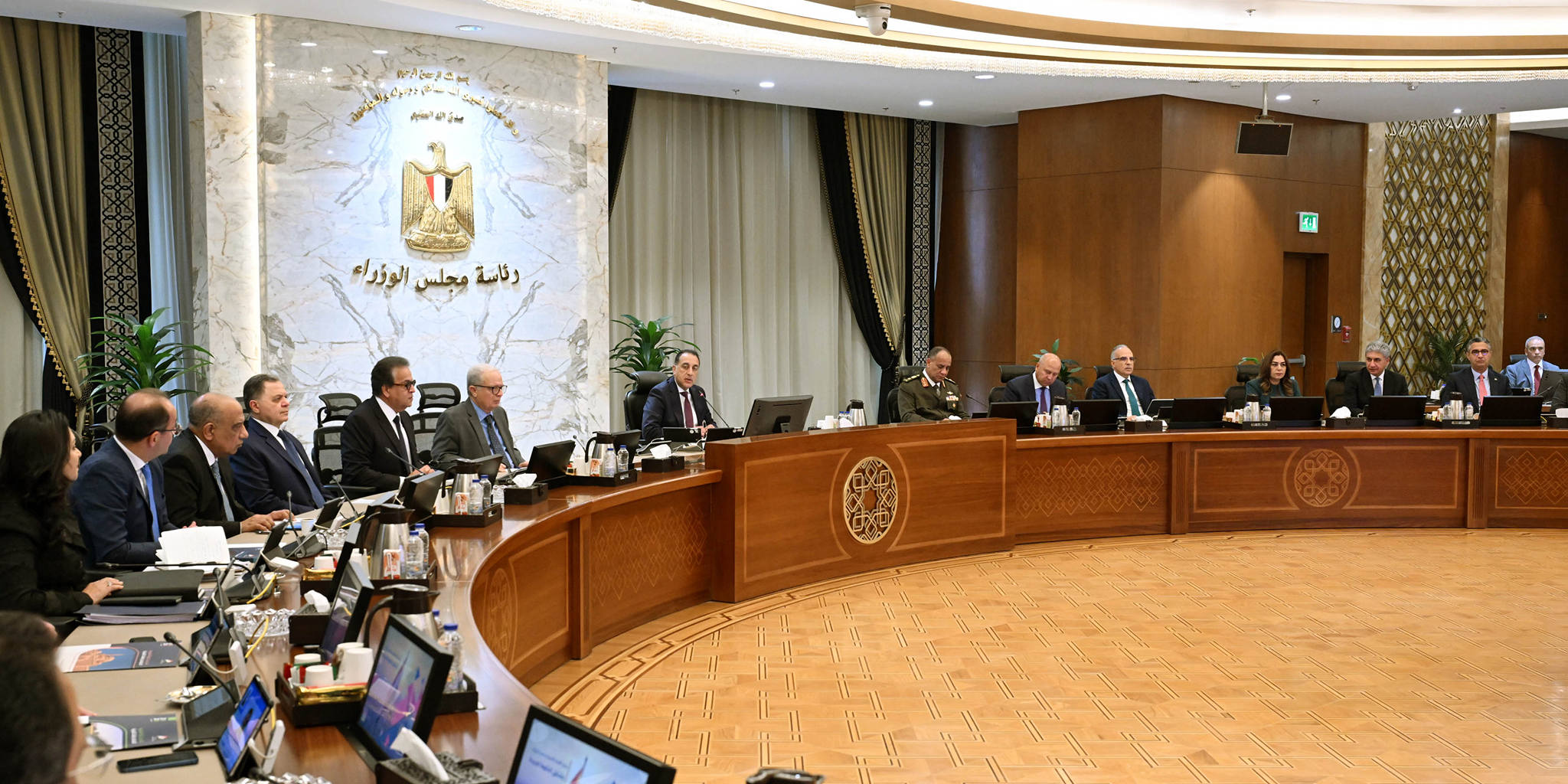
Prime Minister Mostafa Madbouly chaired the first Cabinet meeting following the recent reshuffle, Feb. 12, 2026. Cabinet




CAIRO – 12 February 2026: Prime Minister Mostafa Madbouly chaired the first Cabinet meeting on Thursday following the recent reshuffle, setting out the government’s key priorities for the period ahead in line with presidential directives.
Madbouly said that during his recent meeting with President Abdel Fattah El-Sisi, the president directed the government to continue implementing the core mandates issued upon its formation in 2024.
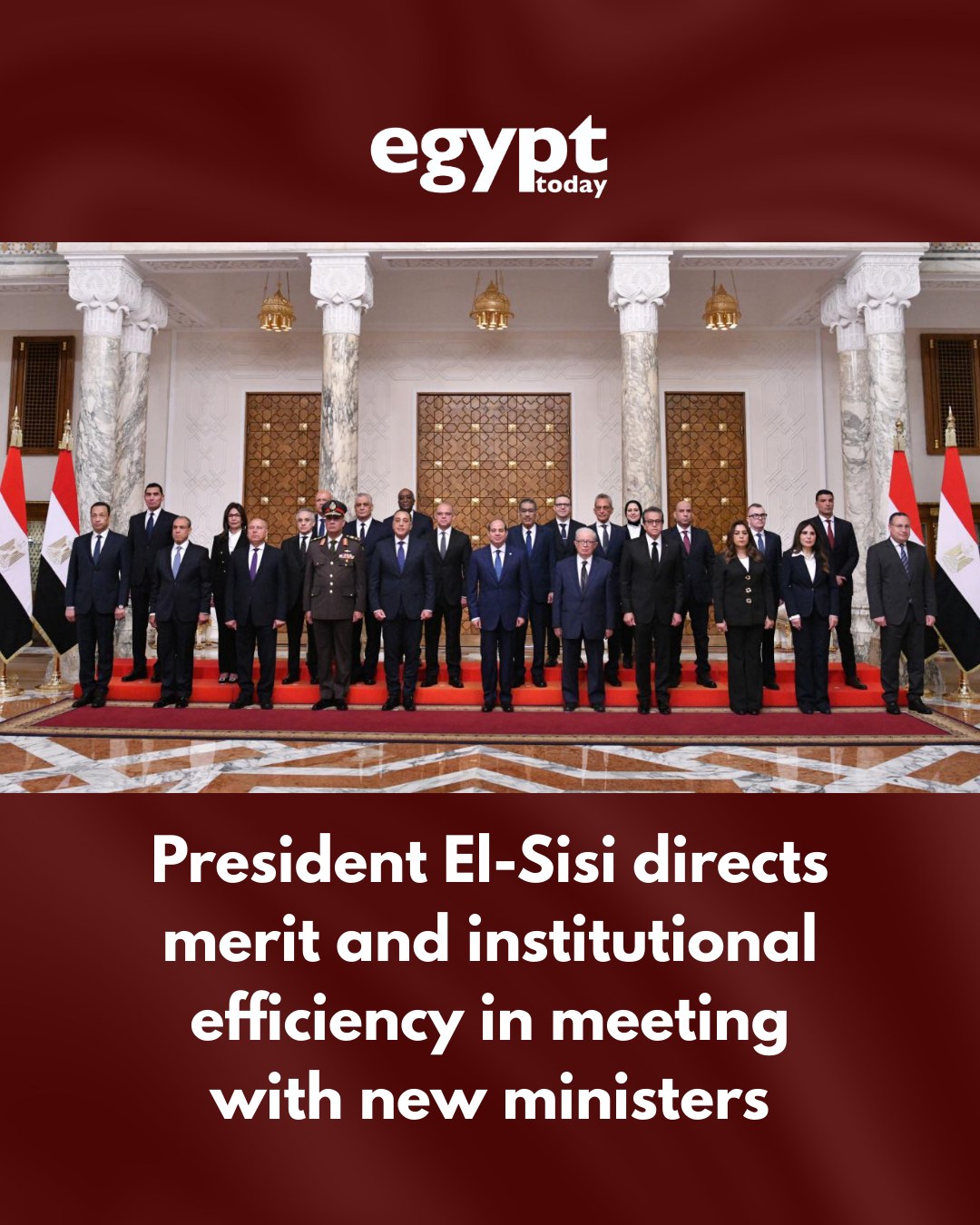
These priorities include safeguarding national security and advancing Egypt’s foreign policy, alongside driving economic development, boosting production, energy, and food security, and investing in human development.
He noted that the president also instructed each ministry to develop a detailed action plan outlining specific targets, implementation measures, timelines, required funding, and performance indicators, to be subject to continuous monitoring and evaluation.
“These presidential directives represent our government’s priorities for the coming phase,” Madbouly said.
Economic Reform, Public Debt
The prime minister said the new directives include continued efforts by the ministerial economic group to steadily improve economic conditions.
He emphasized the need to further reduce public debt through innovative and non-traditional approaches.
Madbouly stressed the importance of raising annual economic growth rates, reducing the budget deficit and debt levels, lowering unemployment, expanding job opportunities, and advancing industrial and agricultural development.
He also called for building on previous efforts to remove obstacles facing industry, facilitate the operation of new factories, expand land reclamation projects, and support small and micro enterprises.
Enhancing investment rates and empowering the private sector as a key partner in economic development remain central objectives, he added.
The prime minister further highlighted the importance of increasing tourism revenues and maximizing returns from the sector, as well as advancing urban development and promoting real estate exports to support national growth and improve citizens’ living conditions.
Education, Healthcare, Human Development
Madbouly said the presidential directives also prioritize sustainably upgrading the education system in all its aspects, while enhancing healthcare services and ensuring easier access to treatment for citizens.
He stressed the importance of promoting the values of citizenship, equality, and non-discrimination, and encouraging public participation through transparent measures that meet citizens’ aspirations.
In this context, he underscored the need to complete the constitutional requirement related to local councils to enhance popular participation in overseeing local administration units and improving administrative performance.
He also called for continuing swift justice implementation, intensifying youth and child care programs, supporting talented athletes across various sports, empowering women, assisting the most vulnerable families, and unlocking Egypt’s human potential in line with the aspirations of future generations.
Citizen-Centered Policies, Market Regulation
The prime minister stressed the necessity of easing living burdens on citizens and improving their quality of life by ensuring the optimal delivery of public services tailored to their needs and expectations.
“The citizen is the government’s top priority at this stage,” the prime minister said, noting that Egyptians have borne significant costs as a result of economic reform measures and must now feel tangible improvements in their daily lives.
Madbouly called for firm deterrent measures against price manipulation and monopolistic practices, alongside activating oversight mechanisms related to essential goods and services.
He emphasized maintaining the downward trajectory of inflation, securing adequate reserves of strategic commodities, and ensuring swift state intervention to stabilize markets in case of supply disruptions or unjustified price hikes.
He added that citizens should experience clear improvements in healthcare services and that families should feel confident that their children receive quality education at schools and universities consistent with their living standards and aligned with modern technological and cultural developments.
Media, Public Awareness, National Discourse
The prime minister also addressed presidential directives underscoring the importance of engaging public opinion and regularly informing citizens of facts through a capable national media.
He said Egypt needs professional and responsible media able to reach all segments of society, shape collective awareness regarding national challenges, counter misinformation, promote constructive dialogue, strengthen critical thinking, and foster respect for diverse opinions.
External Challenges, Preparedness
Madbouly pointed to ongoing regional developments, noting that surrounding events in the Middle East continue to have significant repercussions for Egypt.
“Egypt’s presence in this region imposes challenges not only at the security and foreign policy levels but also in terms of economy,” the prime minister said.
He cited the decline in Suez Canal traffic due to Red Sea tensions and the war in Gaza as a key example of the impact of external crises on the Egyptian economy.
“These ongoing tensions require us as a government to be fully prepared for all possible scenarios,” Madbouly said.
He stressed the need to develop both primary and alternative plans to address potential developments, while maintaining sufficient precautionary measures to shield citizens from adverse impacts on their livelihoods and daily lives.

Be Social




Comments
Leave a Comment