





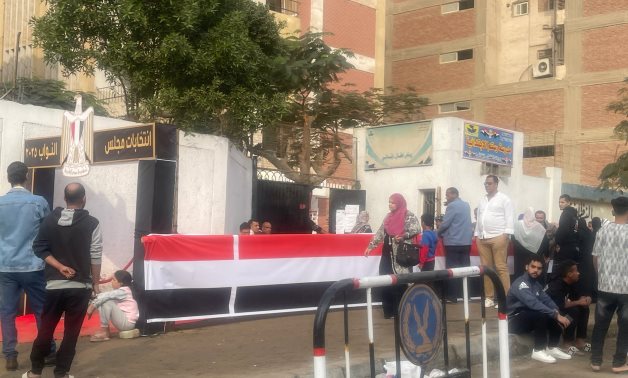
Ahmed Bendari, executive director of the NEA, told a news conference on Saturday that voting had started on time in almost all polling stations, with delays reported at only eight sub-committees, ranging from 20 minutes to a maximum of one hour.
Bendari said the delays were caused by logistical issues, including a vehicle breakdown involving the head of one polling station, road maintenance work affecting access to another and traffic diversions that delayed arrival due to reliance on electronic mapping applications.
He urged eligible voters in the affected constituencies to turn out and participate, stressing that voting is a constitutional right. He asserted that the authority remained neutral and was committed to ensuring a secure and calm environment that allows voters to cast their ballots freely.
Bendari also called on all parties involved in the electoral process to immediately report any violations or irregularities through the NEA’s dedicated hotline (19826), adding that the authority would deal firmly with any breaches of electoral rules.
The runoff elections mark the final stage of Egypt’s parliamentary polls and are being held for 49 individual seats contested by 98 candidates across 27 constituencies in 10 governorates.
Some 14.9 million voters are eligible to cast ballots at 2,230 polling sub-committees. Voting is taking place over two consecutive days under full judicial supervision, with monitoring by civil society organizations and local and international media.
The Administrative Supreme Court of the State Council ruled on Nov. 29 to annul the election results in 30 constituencies from the first phase of the parliamentary elections, ordering the process to be repeated starting from the campaign stage. First-round re-voting took place on Dec. 8–9 abroad and Dec. 10–11 inside Egypt.
The constituencies holding runoff votes are spread across the governorates of Giza, Fayoum, Minya, Assiut, New Valley, Sohag, Luxor, Aswan, Alexandria and Beheira.


Comments
Leave a Comment