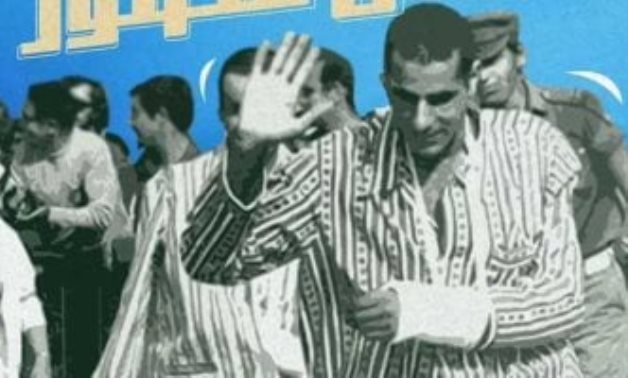
Israeli captives in 6 October War




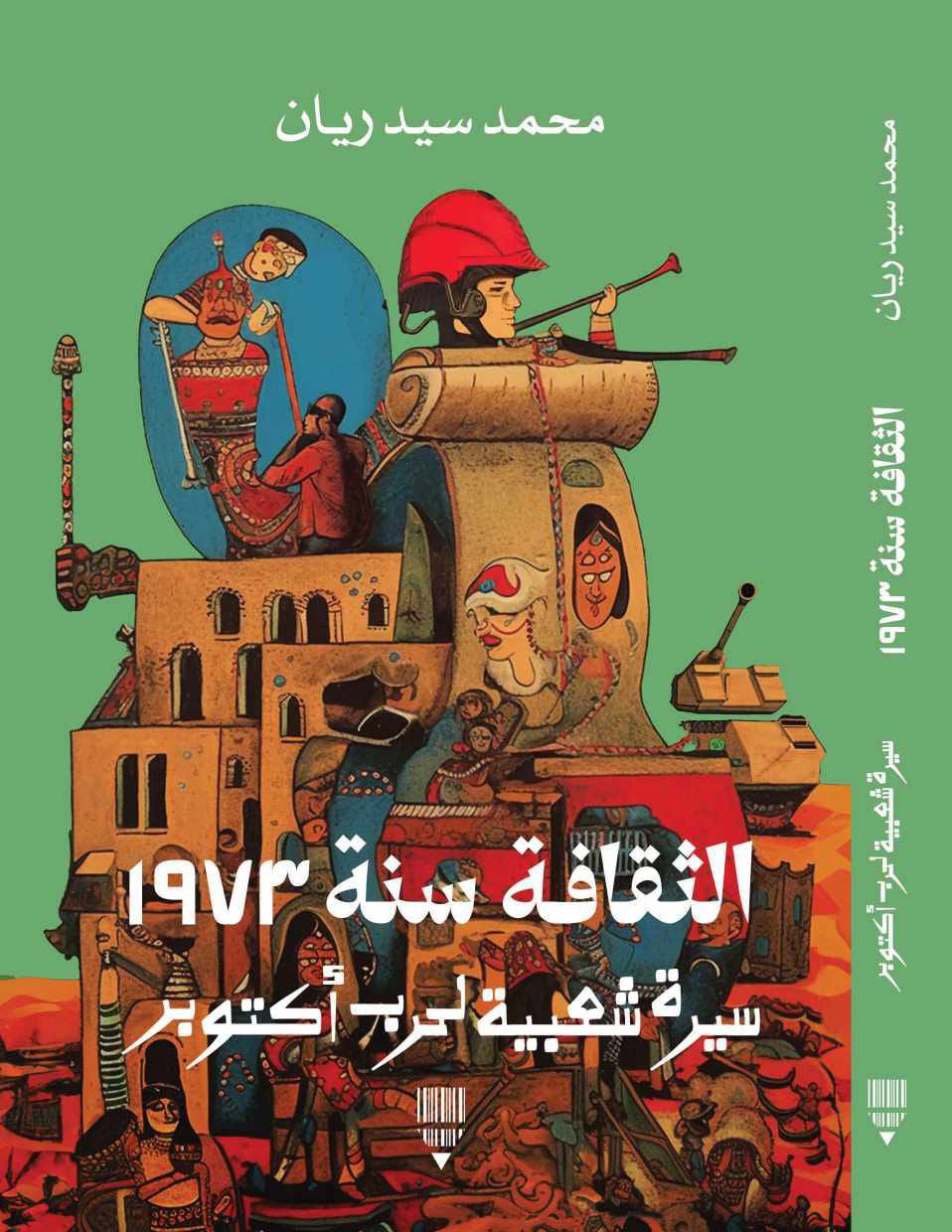
CAIRO - 6 October 2025: The Ministry of Culture played a major role ahead of the 6 October war in consolidating the cultural identity of Egyptians and their sense of national belonging.
In his book “Culture in 1973: a popular biography of the October War,” prominent author Mohamed Sayed Rayan, laid out how the ministry played that role before, during and after the war.
"Cinema, theater and folklore" .. the weapons of the ministry
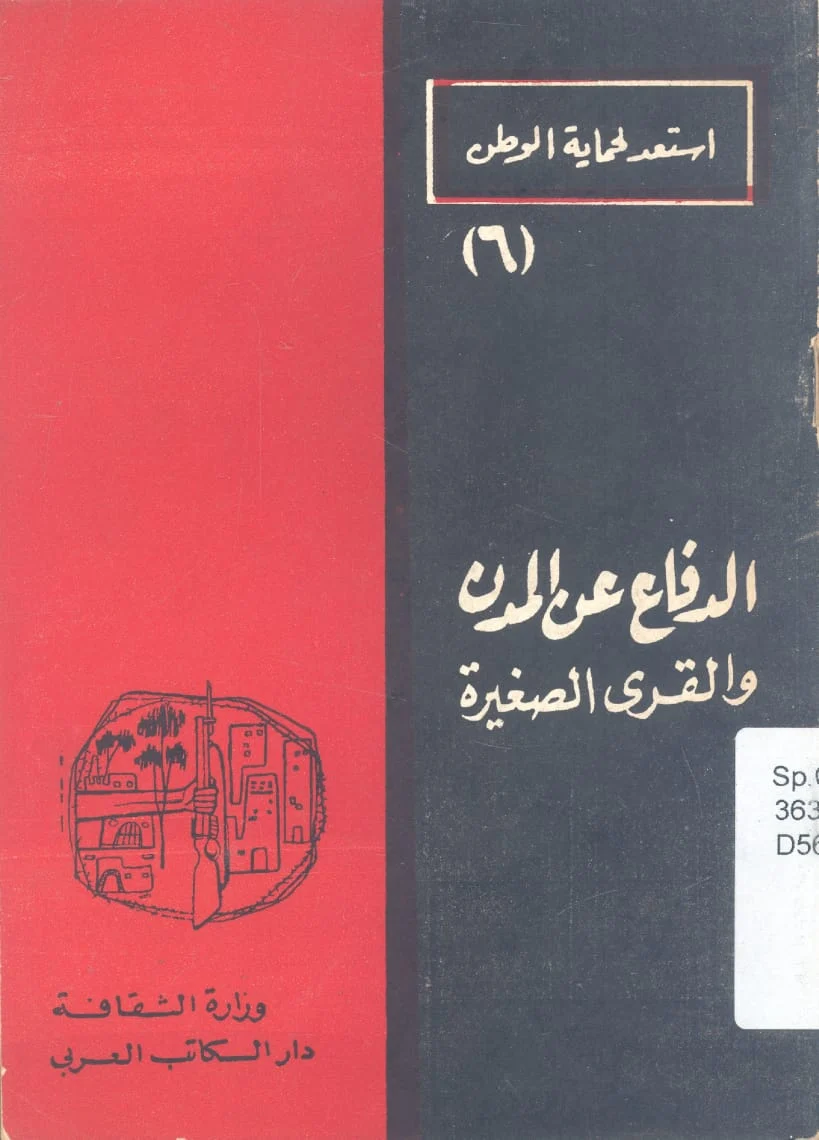
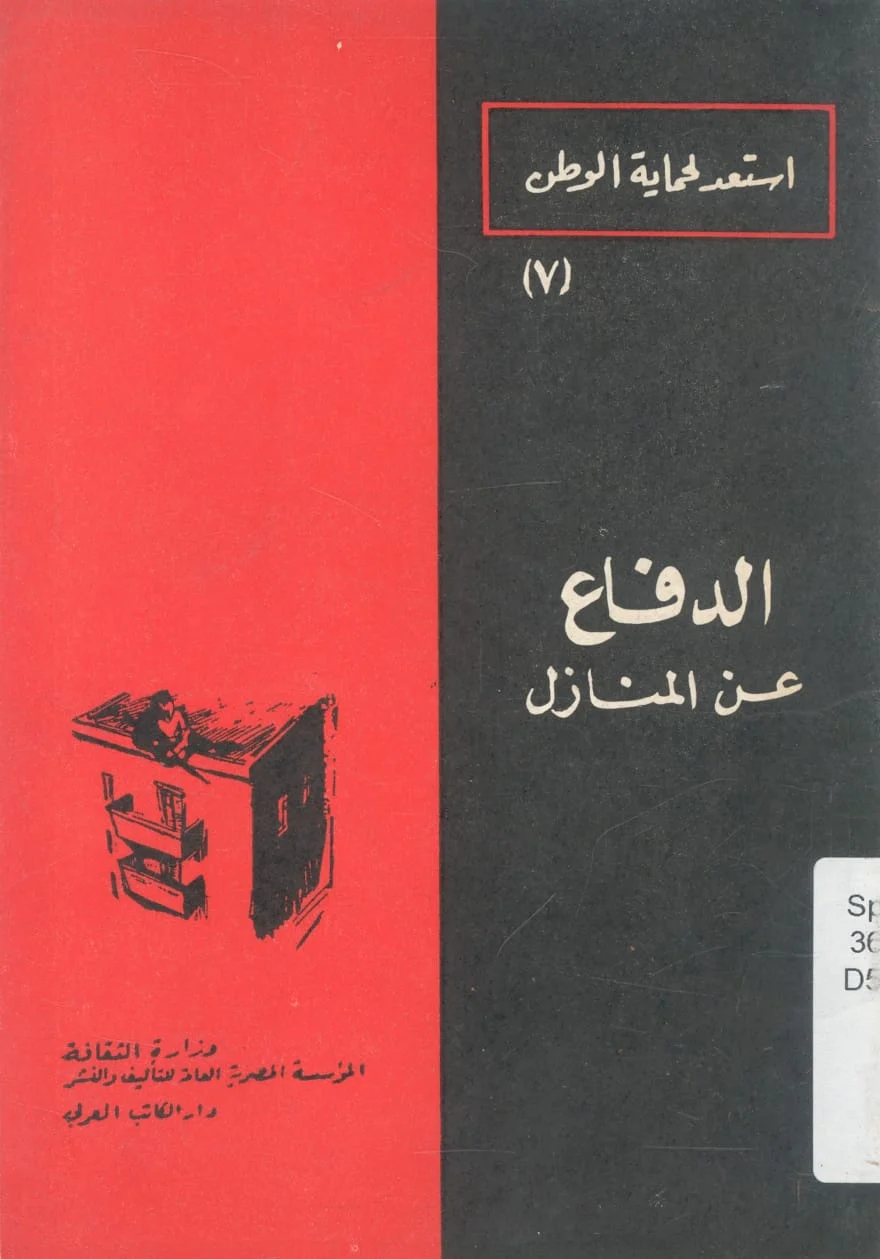
Tharwat Okasha was the minister of culture from 1967-1970. The ministry’s Arab Writer Publishing, later renamed the General Book Authority, released a set of books on the 1967 defeat and an important series called "Prepare to protect the homeland.” The series included "Defending Homes", "Defending Cities and Villages", and "Defending Factories.” They were sold at the time for 3 piasters.
Cairo International Book Fair in its first session
After the opening of the first book fair, the first cultural policy was announced, and a statement by Okasha was delivered before the Services Committee of the National Assembly. It was published by the Dar Al-Kutub Press under the title "Cultural Policy" as a complete strategy in all branches of culture "Book - Fine Arts - Cinema - Theater - Music - Child Culture - Archeology - Libraries and Documents - Translation".
Youssef El Sebaei as Minister of Culture
Youssef Al -Sebaei tried to reconcile the eras of the two presidents Gamal Abdel Nasser and Anwar Sadat despite the differences of their policy, ideas and plans. The great author Tawfiq Al -Hakim called Sebaei "the pioneer of cultural security.”
Sebaei wrote three influential articles in the ministry’s Culture Magazine expressing his thought and cultural vision. One of them was titled "Cultural work between perception and application.” It tackled the problem of producers reducing the role of the ministry to only publishing, turning a blind eye to the restrictions it faces.
After 6 October, there was a need for moral and intellectual mobilization, as well as an integrated plan for publishing, theater, cinema, and highlighting the glories of the nation.
In a second article entitled "Culture between July 23 and 6 October," he said: The two dates represent a permanent source of inspiration in Egyptian and Arab culture, and the [1953] revolution contributed to the development of culture by creating two institutions: the Supreme Council for Arts and the Supreme Council for Social Sciences.
The pillars of the Ministry of Culture after 6 October were manifested in social development and human building, enriching conscience with authentic values and traditions, erasing cultural illiteracy and building an enlightened citizen, spreading optimism and freedom.
In the third article, he wrote “The responsibility of cultural work after 6 October” as the authentic culture builds a person who is able to practice his civilized role. He said culture should be open to the vast human heritage without losing originality. Therefore publications should be accessible, theater should be supported, and excellent cinematic films should be produced, and the public should be encouraged to see their civilization at museums.
A rare document
Author Mohamed Sayed Rayan said an important document related to the Ministry of Culture after the 6 October war was only reveled a few years ago. It includes the ministry's proposals after the decision to form a "committee to register battle heroism at the Egyptian front,” which started documentations in the wake of the war and ended in May 1974.
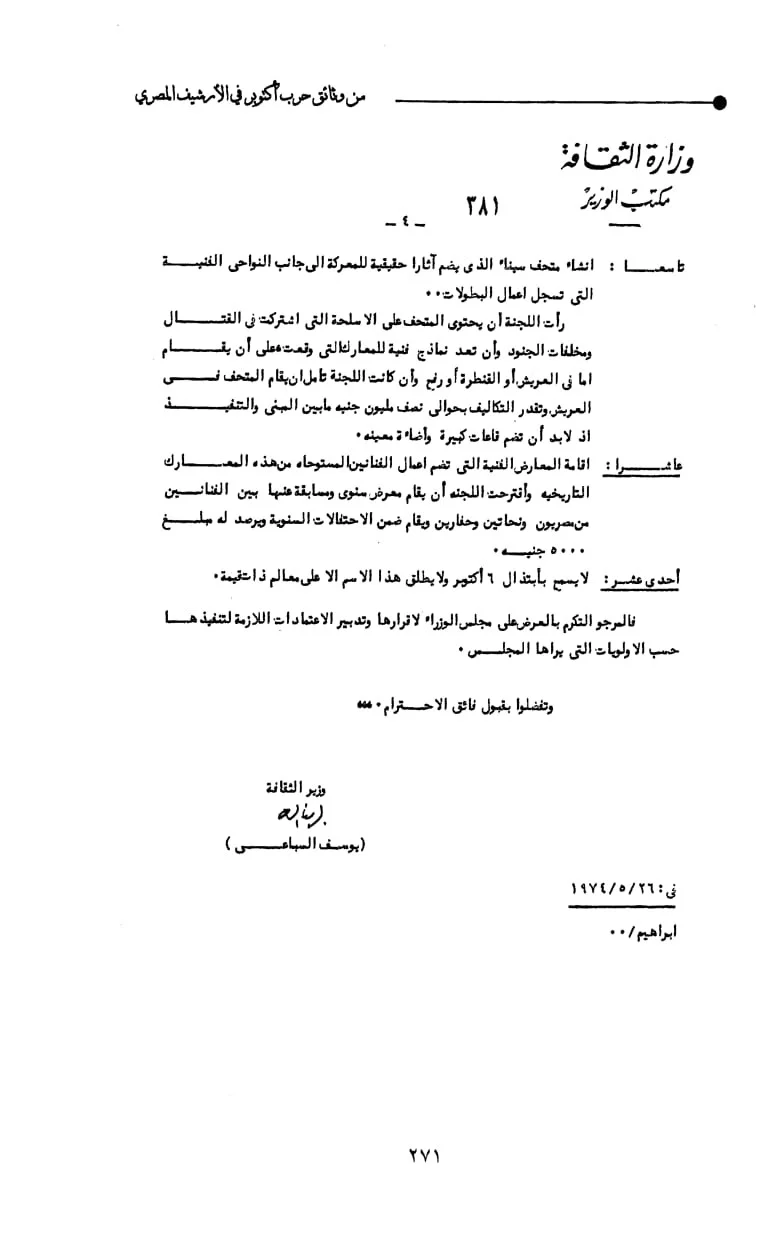
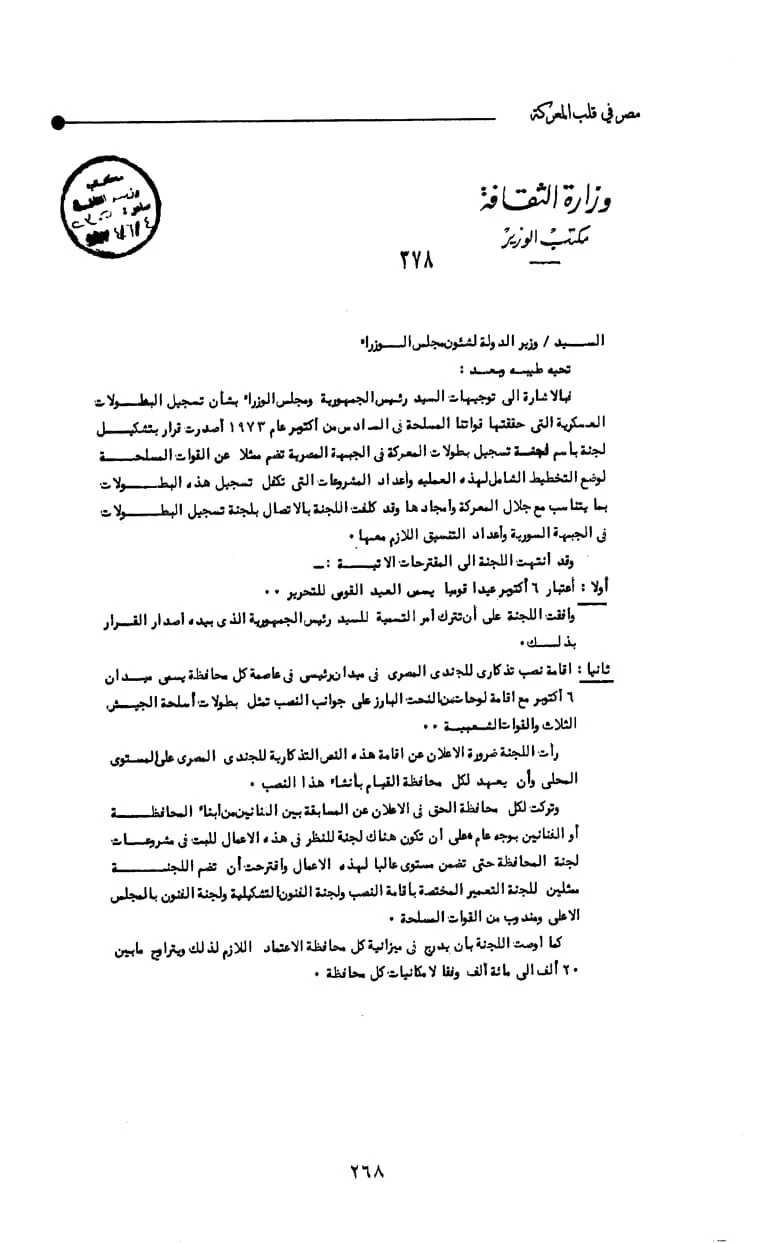
These proposals were implemented in the next years of the war, but some remain valid even today.
Some of these proposals include October 6 becoming a national holiday called the National Day of Liberation, and the establishment of a memorial for the Egyptian soldier in a major square in the capital of each governorate and call it October 6 Square. Another proposal was the establishment of a museum for Sinai that includes real monuments of the battle.
Holding an annual Sinai Festival for a week in the peninsula after its reconstruction, was also a proposal.
An encyclopedia for children that includes the glories of the Egyptian army and the heroism of its people, audio books on the October 6 war since the start of preparations after the 1967 defeat, such as attrition, planning, and training for the battle were all among the proposals.
In the proposals we find documentary films and novels to be produced in significant numbers, and documenting the humor and anecdotes that took place during the battle by holding competitions for cartoon artists, and holding artistic exhibitions that include the works of artists inspired by these historical battles.
The document also recommended that it be not allowed to vulnerate 6 October and that nothing short of major value should be named thereafter.
Free theaters
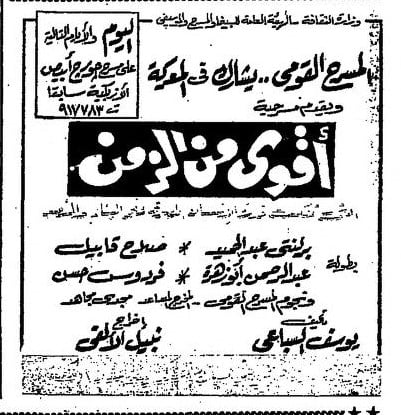
On October 11, 1973, the Ministry of Culture to opened theaters for free for the public with the slogan "theater participates in the battle. Two of the most famous plays that were shown was "Stronger Than Time,” starring Berlinti Abdel Hamid, Abdul Rahman Abu Zahra, and Salah Qabil, written by Youssef Al-Sebaei and directed by Nabil Al-Alfy, as well as “Life Is a Moment.” Both were performed at the National Theatre.
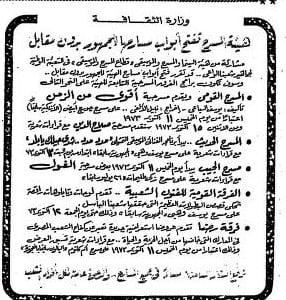
Songs were also produced, most notably "madad, madad,” and "Bismillah" at all theatres and public cultural centres, in addition to performances by the Reda Troupe and the National Folk Arts Troupe.

Be Social




Comments
Leave a Comment