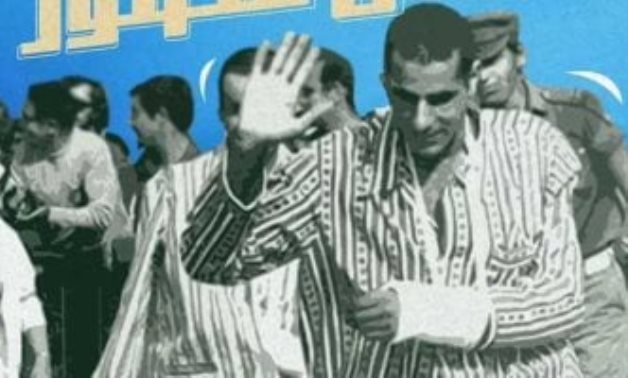
Among the countless images that came to symbolize the triumph, one stood out for its quiet yet powerful symbolism: the kastor pajamas worn by captured Israeli soldiers as they were sent home after the war.




CAIRO – 5 October 2025: On October 6, 1973, Egypt rose, its army and its people moving as one, to reclaim dignity and defy the impossible. The victory against the Israelis that followed became a legend etched in the nation’s collective memory, a story of courage and resilience retold each October.
But among the countless images that came to symbolize that triumph, one stood out for its quiet yet powerful symbolism: the striped kastor pajamas worn by captured Israeli soldiers as they were sent home after the war.
A Fabric of Victory
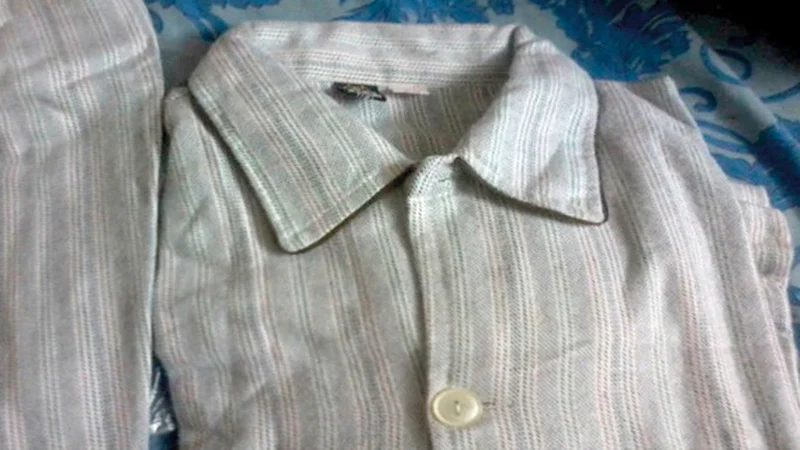
Made in the textile hub of El-Mahalla El-Kubra, the pajamas were no ordinary clothing. They were crafted from fine Egyptian long-staple cotton: soft, durable, and globally renowned for its quality. Yet, their meaning went far beyond the material.
These garments became a symbol of Egypt’s strength, pride, and industrial self-reliance.
By dressing the defeated soldiers in Egyptian-made pajamas, President Anwar Sadat sent a deliberate and poetic message: Egypt was not only a nation that fought and won on the battlefield, it was also a nation that produced, that built, and that stood tall on the foundation of its own labor and ingenuity.
Each thread in those pajamas seemed to carry the pulse of a people who had struggled, sacrificed, and ultimately prevailed.
A Stitch in History
The kastor pajamas, a signature product of El-Mahalla’s Misr Spinning and Weaving Company, were already a household name in Egypt.
Known for their comfort and craftsmanship, they were the pride of the local industry and a staple in Egyptian homes. After the October War, however, they gained an entirely new layer of meaning.
For many Egyptians, those pajamas became a wearable emblem of victory, a tangible reminder of a day when Egypt restored its self-belief. What was once an everyday product of a textile factory transformed into a national icon.
From Factory Floor to National Symbol
Decades later, the story of the kastor pajamas continues to resurface each October.
As Egypt celebrates the anniversary of the 1973 victory, Misr Spinning and Weaving Company often revisits that proud moment in its social media campaigns — posting vintage images of the iconic sleepwear alongside slogans like “The factories have grown, delivery in six hours,” a nod to the Egyptian army’s crossing of the Suez Canal and the stunning six-hour victory that changed the course of history.
Even as fashion evolved and global brands flooded the market, the kastor pajama held its ground as a symbol of authenticity and national pride.
It became a reminder that Egypt’s strength lies not only in its military valor but also in its craftsmanship, in the hands that weave, spin, and sew its identity into fabric.
More Than a Garment
Half a century later, that simple cotton pajama remains more than a relic. It is a piece of living history, one that tells a story of defiance, dignity, and determination.
Woven in the looms of Mahalla and stitched with the spirit of a nation, the kastor pajama endures as a quiet testament to a victory that was, and still is, proudly Egyptian.

Be Social




Comments
Leave a Comment