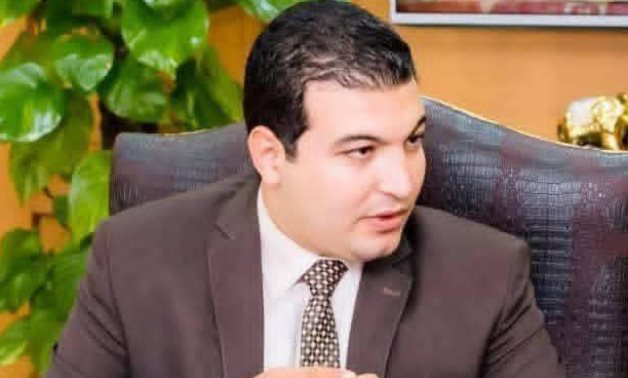
Journalist Eslam ElRaghi- photo taken from Facebook page of Journalist Dr-Hammad Elromhy




CAIRO – 25 August 2025: Eslam ElRaghi, a journalist at the state-owned Al Akhbar newspaper, has been released pending investigation following his arrest over a Facebook post criticizing local service conditions in Damietta Governorate.
ElRaghi’s arrest came after he publicly criticized the head of a local administrative unit for the accumulation of garbage and the deteriorating state of services in several villages, including his own—Al-Hawrani, in Faraskur Center. In a Facebook post published on May 3, 2024, in the group Meet al-Shiyoukh, Al-Raghi called on Minister of Local Development Manal Al-Awadi to intervene, citing residents’ complaints that garbage had not been removed from main and side streets for over 15 days amid extreme heat.
In the post, ElRaghi described the head of the administartive local unit as demonstrating “arrogance” and “a lack of responsiveness” to repeated complaints from villagers. His comments were later picked up by Agri News, which published the post along with a copy of a legal complaint filed by the local official.
Following the publication, the head of the local municipality filed a lawsuit against Al-Raghi, accusing him of defamation and publicly attacking her performance.
The Journalists Syndicate, led by its head Khaled Al-Balshy, condemned the arrest and legal referral, stressing that the incident runs counter to efforts to expand freedom of opinion, expression, and press in Egypt. Al-Balshy expressed his rejection of Al-Raghi’s referral to the Criminal Court and the warrant issued for his arrest, noting that the Syndicate had intervened from the outset on legal and professional grounds.
Al-Balshy further revealed that the Economic Court had recused itself from the case and referred it back to the Public Prosecution. The prosecution subsequently heard testimony from the head of the local unit and proceeded to refer the case to the Criminal Court without notifying the Syndicate—despite ElRaghi being a permanent member.
The case has sparked concern among press freedom advocates, who view it as part of a broader debate around the boundaries of journalistic expression, particularly on social media.

Be Social




Comments
Leave a Comment