Economic Forecast

Looking further ahead, BMI expects annual growth to average 4.6 percent between 2026 and 2034, significantly above the 3.8 percent recorded between 2010 and 2019.
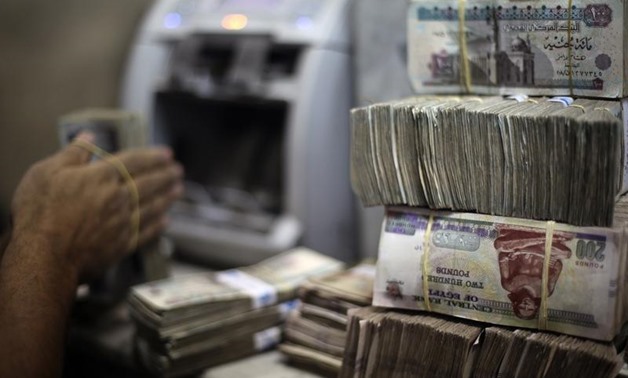
While the decision to float the currency brought short-term pressures, Capital Economics suggests the policy shift is now creating the conditions for more durable growth
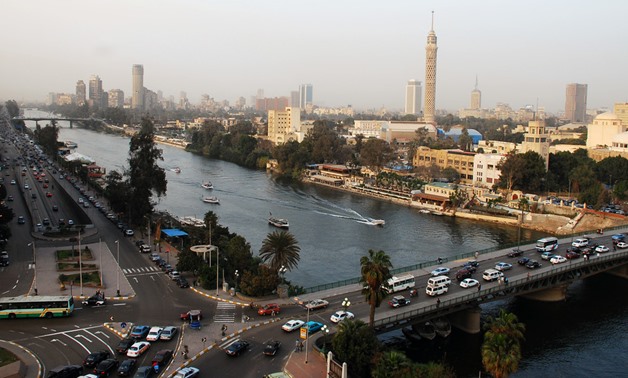
The report highlights Egypt’s economic resilience amid ongoing global uncertainty and regional tensions.
Strong foreign exchange inflows from portfolio investments and official sectors are bolstering confidence in the Egyptian pound (LE), according to Standard Chartered’s latest report
Looser monetary policy and a slow but steady recovery in the manufacturing sector are also expected to play a key role in supporting the economic upswing

Egypt is increasingly well-placed to benefit from changes in the global and regional economic landscape, thanks to early gains in its ongoing reform agenda, HSBC executives said during a recent client event in Cairo
Despite the slight downward revision, the projected 4.7 percent expansion marks a notable improvement from the 3.9 percent growth BMI expects for the current FY2024/2025.

The projection, outlined in the CBE’s Monetary Policy Report published on Monday, signals the end of a two-year period marked by economic stagnation.
The IMF noted that “economic activity is expected to pick up but remain modest” in FY2025/2026, reflecting the complex challenges Egypt continues to face.
The poll, conducted between April 9 and 23, surveyed 17 economists, who now predict Egypt’s GDP will expand by 3.8 percent in the current fiscal year (FY2024/2025), down from the 4.0 percent forecast made in January
The World Bank also highlighted a slowdown in Egypt’s performance for FY 2023/2024, with growth dipping to 2.4 percent
Fitch Ratings has revised its global economic outlook for 2025, attributing the downgrade to the intensifying U.S. trade war.

BNP Paribas also forecasted a significant easing in inflation, which hit 24.1 percent in December 2024, confirming the downward trend that had begun in September of the same year.

According to a statement from the Cabinet released on Tuesday, the Prime Minister also set out important long-term economic targets, including projections for imports and exports.
These developments are expected to bolster activity through the Suez Canal, benefiting Egypt’s trade and logistics sectors

The report highlights several crucial factors influencing Egypt's economic trajectory, with a particular focus on policy changes, inflation concerns, and the persistent challenges surrounding structural reforms
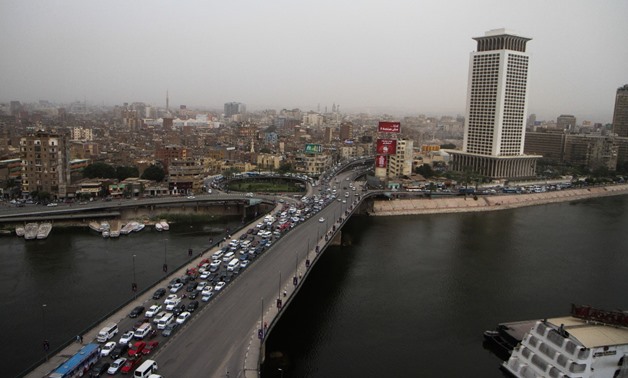
Egypt's economy is on a recovery trajectory, it noted, adding that the pace has been slower than anticipated, partly due to regional geopolitical tensions and trade disruptions in the Red Sea.
In the IMF’s latest World Economic Outlook report released on Tuesday, the fund revealed that Egypt recorded a real GDP of 3.8 percent in FY2023/2024, 1.1 percent higher than the IMF's earlier projection of 2.7 percent in July.
The forecast was lowered “due to weak manufacturing activity, import restrictions, a downturn in gas extraction operations, and reduced shipping through the Suez Canal”.
On a calendar-year basis, Egypt's economy is projected to grow by 3.2 percent in 2024, with an optimistic increase to 4.5 percent in 2025.