Balance of Payments

The widening gap primarily stemmed from a substantial increase in the trade shortfall and a reduced surplus in services, which outweighed gains from rising remittances and a slight easing in investment income outflows
The primary driver of this shift was a sharp expansion in the current account deficit, which rose to $5.9 billion, compared to $2.8 billion in the first quarter of the prior year.

According to a recent report from the Central Bank of Egypt (CBE), remittances climbed by 84.4 percent to reach $8.3 billion in the first quarter of FY 2024/2025, providing partial relief to Egypt's balance of payments (BoP), which registered a $991.2 million deficit.
According to the Central Bank of Egypt’s (CBE) latest release on the country’s Balance of Payments (BoP), Egypt recorded a $9.7 billion surplus in the fiscal year 2023/2024, while the current account deficit expanded, registering at $20.8 billion
The largest surge of inflows, approximately $40.5 billion, was recorded in the second half of the fiscal year, mainly due to the execution of the Ras El Hekma agreement valued at $35 billion
In its latest report on the country’s Balance of Payments (BoP), the Central Bank of Egypt (CBE) highlighted that the overall surplus was largely driven by a substantial performance in the second half of FY2023/2024, where it soared to $10.1 billion
The CBE added in a report that the current account deficit posted $ 9.6 billion, compared to $ 1.8 billion.
Egypt's tourism sector also reported strong growth, with revenues increasing by an impressive 26.8 percent on a yearly basis in FY2022/2023, soaring to $13.6 billion
CBE confirmed in the balance of payments report issued, Tuesday, that the period from July to March of the fiscal year 2020/2021 witnessed an improvement in the performance of the Egyptian economy’s transactions with the outside world.
The current account during the period from July to March of FY 2018-19 posted a deficit of $7.6 billion
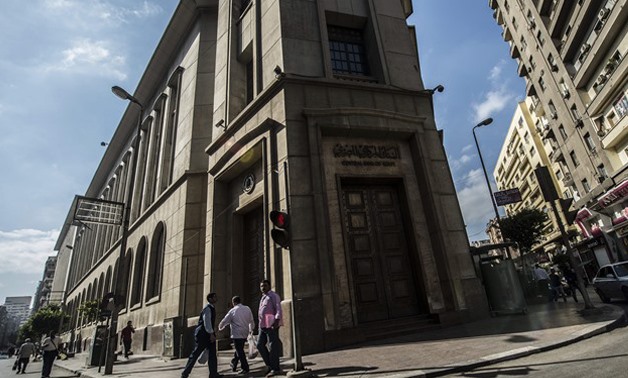
The Central Bank of Egypt announced the data of balance of payments, revealing positive results, including the increase in the export of goods.
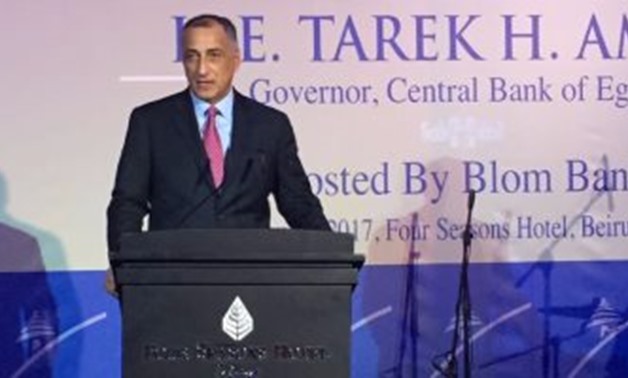
CBE attributed the surplus to the current account deficit which stabilized at $1.8 billion and the capital and financial account that stood at $1.6 billion.
A wrap-up for the most prominent business news of the day.
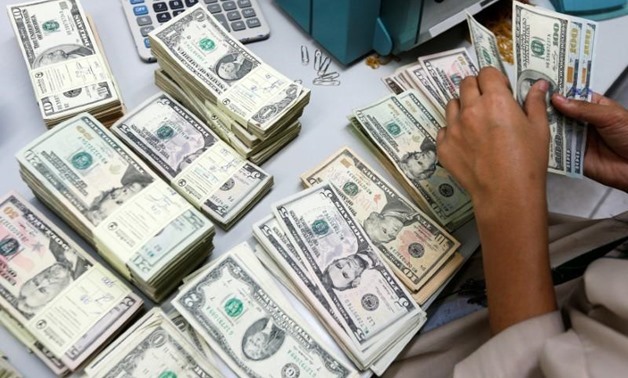
The flotation has succeeded in attracting Egyptian expatriates into transferring their cash back through the banking system.
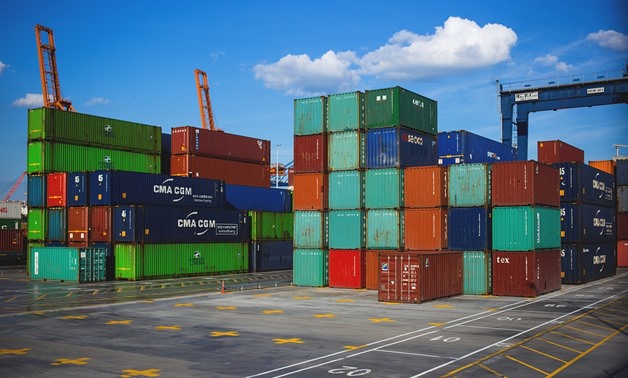
Non-petroleum exports hiked 15.9 percent year-on-year in that period to stand at $21.7 billion.
The non-oil trade deficit fell to $7.3 billion in Q4 from $7.8 billion in the previous quarter, as the non-oil imports decreased to $11.1 billion from $11.6 billion in Q3.
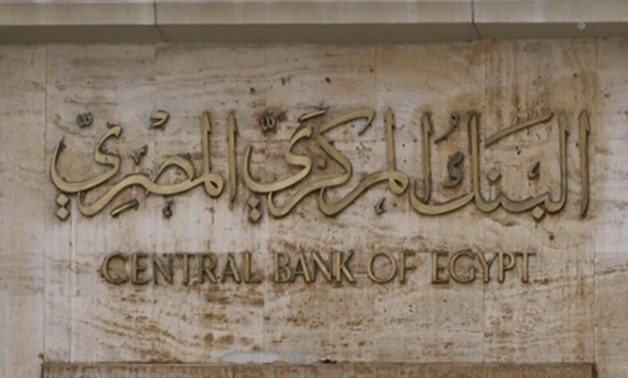
Egypt’s net foreign direct investments (FDI) have increased to $13.3 billion in the last fiscal year (FY) 2016/2017, with a 6.5 percent increase.
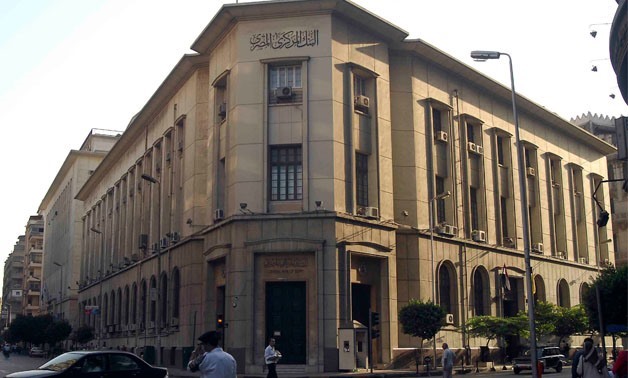
Egypt’s balance of payments (BOP) registered a surplus $11 billion in first three quarters of the current fiscal year, the central bank said Wednesday.