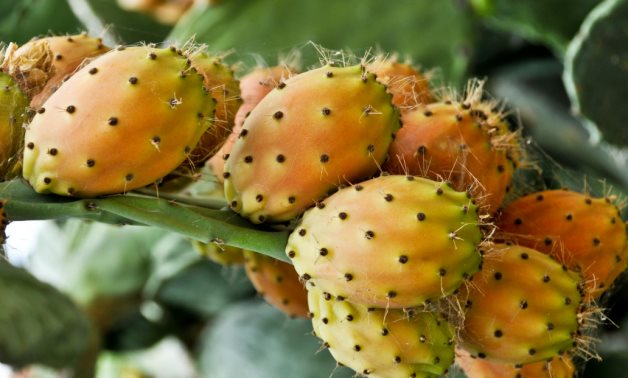
Prickly pears - cc via Pexels




CAIRO - 16 August 2025: With the arrival of summer and rising temperatures, Egypt’s favorite seasonal fruit makes its appearance: the prickly pear, also known as the “gold of the desert.” Growing on the sturdy stems of cacti in arid regions, the fruit has become a staple of Egyptian summers thanks to its resilience, nutritional value, and economic potential.
“Prickly pears thrive in sandy and desert lands. They are highly resilient plants that do not fear drought and require minimal care,” explained engineer Mustafa Abdel Moneim, a pioneer in desert land cultivation.

Cultivation is widespread across Egypt—from the Cairo-Alexandria Desert Road to Fayoum, the oases, Upper Egypt, and Sinai. Because they flourish in water-poor environments and require no pesticides, prickly pears are now seen as an important crop for sustainable agricultural expansion.
Nutritional Powerhouse
Beyond their refreshing taste, prickly pears are rich in nutrients. Every 100 grams contains just 41 calories, 3.6 grams of fiber, 14 mg of vitamin C, and 220 mg of potassium.
For adults: 3 to 5 fruits daily with plenty of water.
For children: 2 to 3 fruits as a healthy snack.
For diabetics: best consumed under medical supervision due to natural sugar content.
Research from the Food Technology Research Institute highlights their role in aiding digestion, boosting immunity, and regulating blood sugar and cholesterol. Their potassium and magnesium also support heart health.
From Fruit to Industry

Prickly pears are not limited to fresh consumption. They can be processed into juices, jams, and dried products, while their seeds yield valuable oils used in the cosmetics industry.
As a fruit that blends health benefits with economic promise, prickly pears showcase Egypt’s natural potential. With proper investment, this seasonal delight could grow into a competitive Egyptian export on global markets.

Be Social




Comments
Leave a Comment