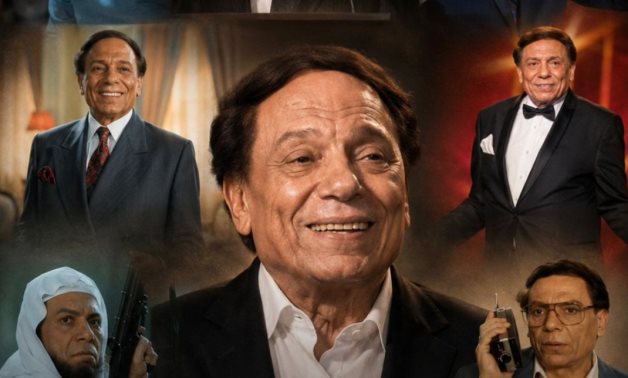
Adel Emam.




Every time Adel Emam’s birthday comes around, the same question resurfaces: how did one artist manage to remain in the hearts of Arab audiences for more than half a century? And how did he evolve from a successful actor into a cultural and artistic phenomenon that shaped the collective memory of entire generations?
Talking about Adel Emam is not only about his artistic career, but also about his social, political, and human impact, as well as his rare ability to stay present in people’s memories despite changing times and evolving tastes. He is not merely “El Zaeem” by title, but a truly exceptional figure in the history of Arab cinema, television, and theatre.
1-A Talent Unlike Any Other
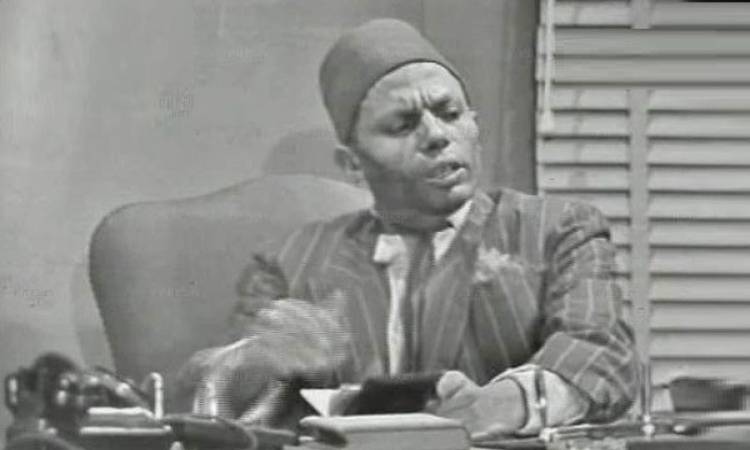
From the very beginning, Adel Imam possessed something that cannot be taught in acting schools: presence. That overwhelming charisma that immediately captures attention, even in the smallest roles. He began his journey with limited appearances, but his artistic intelligence quickly revealed itself through his ability to create unforgettable characters in a single scene.
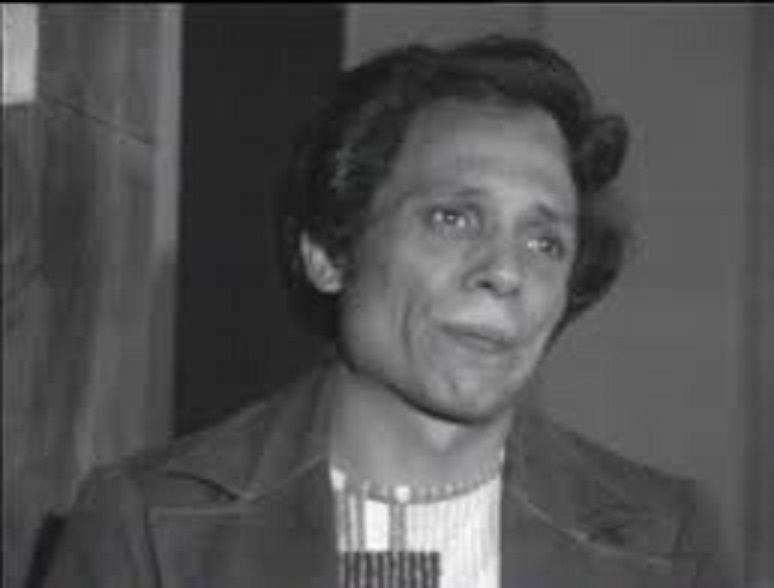
He never relied on conventional looks or exaggerated theatrical performances. Instead, he depended on natural charisma, spontaneity, and an extraordinary understanding of Egyptian and Arab audiences. He always knew what would make people laugh, what would touch them emotionally, and what would allow them to see themselves reflected in his characters.
2-The Genius of Comedy Blended with Reality
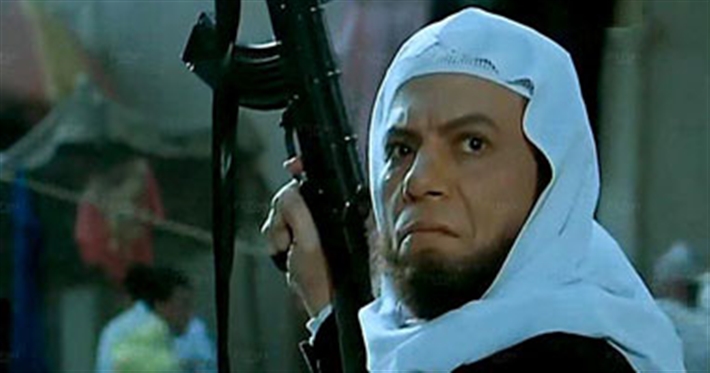
Many artists can make audiences laugh, but very few can turn comedy into a powerful tool for discussing society’s issues. That is precisely where Adel Imam’s brilliance lies.
In his films and plays, comedy was never just about punchlines. It became a mirror reflecting Egyptian and Arab society. He portrayed the ordinary citizen, the exhausted employee, the struggling dreamer, and the individual confronting bureaucracy, corruption, extremism, poverty, and social inequality.

Works such as “El Erhab W El Kabab,” “El Mansi,” “El Noum Fi El Assal,” “Toyour El Zalam,” and “El Leb Maa El Kobar” were not merely commercially successful films, but bold artistic works that addressed sensitive social and political issues with intelligence and accessibility.
His greatest strength was that he never spoke down to audiences. He communicated in their language, represented their realities, and carried their everyday struggles onto the screen.
3-A Star Loved by Both the Masses and Critics
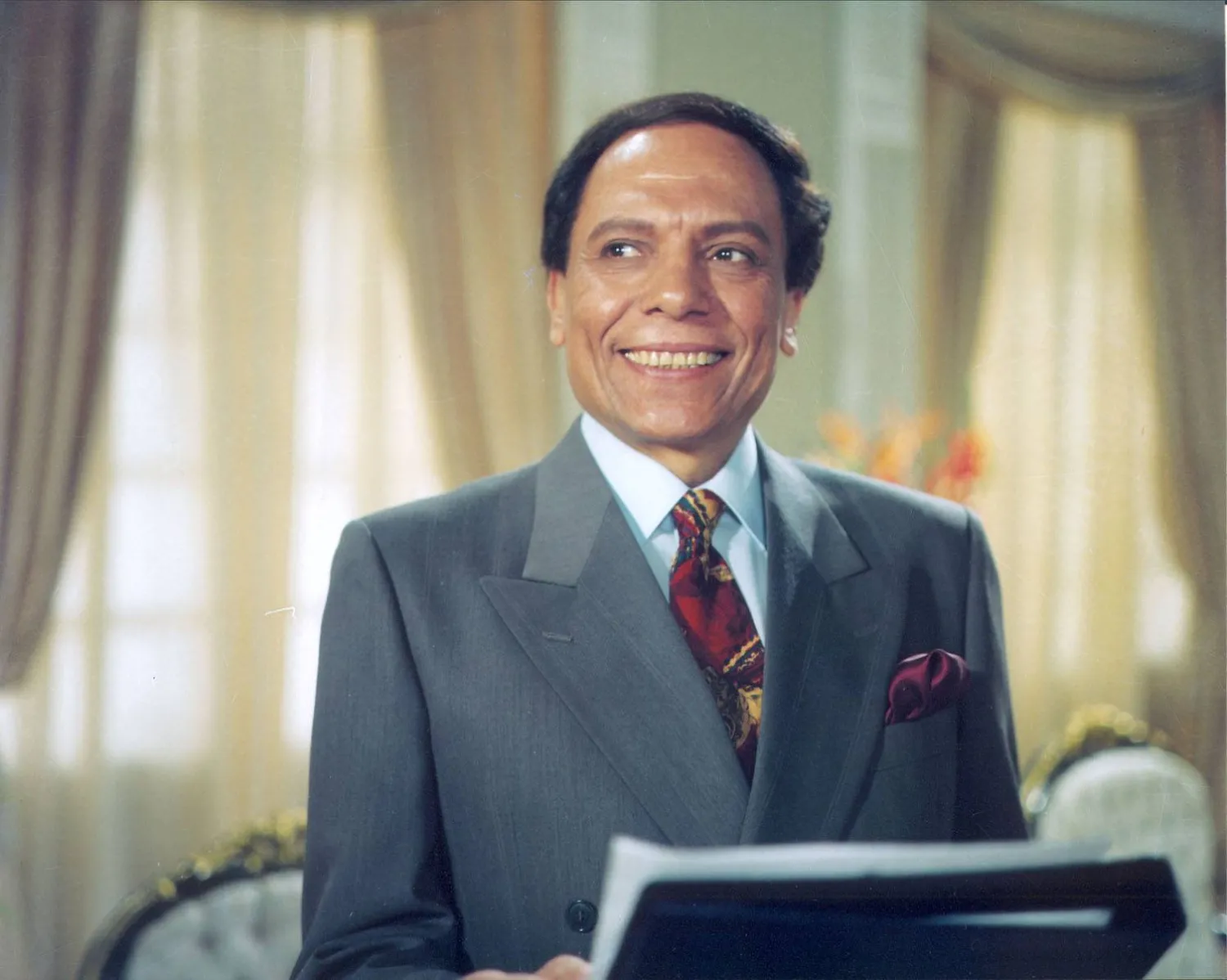
One of the hardest achievements in entertainment is gaining both widespread public admiration and critical respect. Adel Emam accomplished both. He became a box-office icon while simultaneously building a body of work regarded as landmark achievements in the history of Arab cinema and theater. He managed to be both the people’s star and a respected artistic figure, a balance very few performers ever achieve.
Even those who disagreed with him artistically or intellectually could never deny his enormous influence on Arab entertainment.
4-Theater: Where El Zaeem Was Born
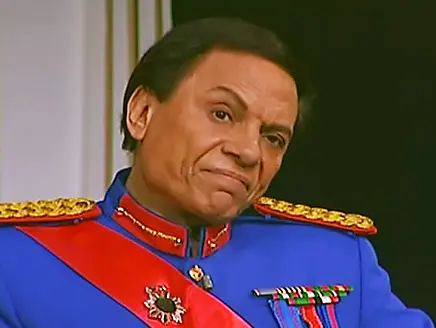
Despite his massive cinematic success, the theater remains one of the greatest achievements of Adel Emam. On stage, his true brilliance emerged through his remarkable improvisation skills and his unique ability to control and captivate audiences for hours.
Plays such as “Madrset El Moshagbeen,” “Shahed Mashafesh Haga,” “El Wad Sayed El Shagal,” “Bodyguard” and “El Zaeem” became permanent parts of Arab cultural memory. Millions of viewers still remember their details and iconic comedic moments as if they had premiered yesterday.
What made Adel Emam exceptional in theater was that he did not simply perform scripts; he brought them to life. He interacted with audiences moment by moment, creating a rare energy and connection that few actors could ever replicate.
5-Extraordinary Artistic Intelligence
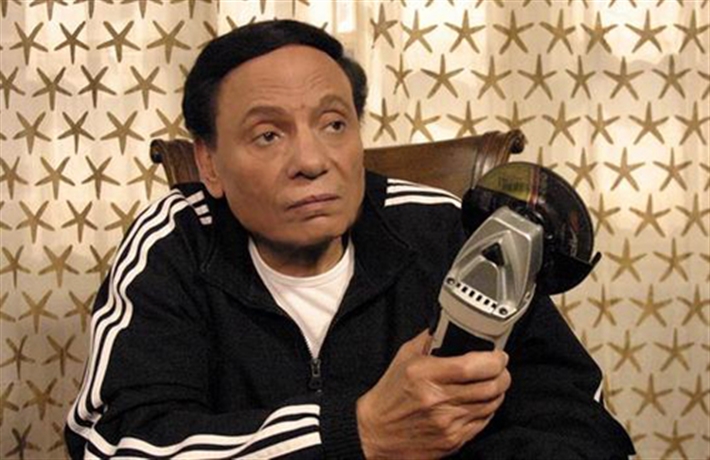
One of the key reasons Adel Emam remained at the top for decades was his remarkable instinct for timing. He always knew when to reinvent himself and when to transition into a new artistic phase. In the 1970s, he was a young comedy star. In the 1980s and 1990s, he became the undisputed king of the box office. Later, he evolved into an actor delivering socially and politically layered performances before achieving another wave of success on television through a hugely popular drama series.
6-An Influence Beyond Entertainment
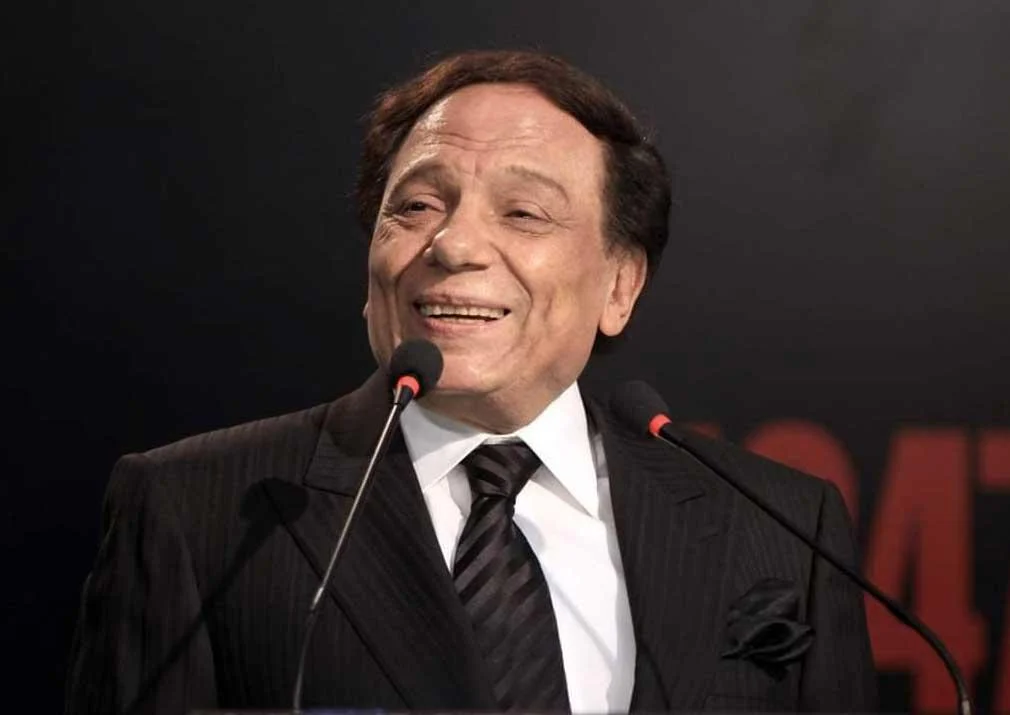
Adel Emam was never just a successful actor. He became an essential part of Arab popular culture. His catchphrases are still quoted daily, his scenes continue circulating across generations, and his image remains tied to defining moments in Egyptian society.
Even younger generations who did not witness the peak of his career know him well because his presence naturally passed from one generation to another.
He also played a major role in spreading Egyptian cinema and theater throughout the Arab world, becoming one of the artists who made Egyptian entertainment a staple in homes across the region.
7-The Human Behind the Superstar

Despite his legendary fame, Adel Emam always maintained the image of someone close to ordinary people. He never appeared distant or overly polished. Instead, he remained connected to the Egyptian street through his humor, simplicity, and authenticity.
Perhaps that is why audiences always felt he was “one of them,” rather than an untouchable celebrity living in a different world.
8-Why Adel Emam Cannot Be Repeated
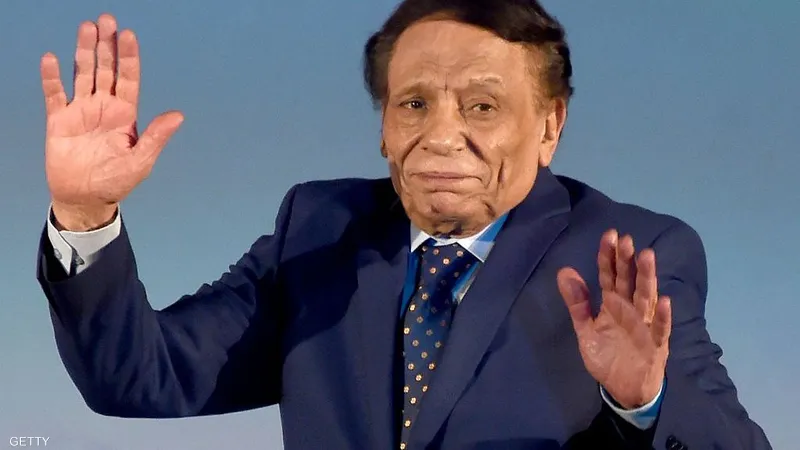
Today, success can happen quickly, but maintaining influence and relevance for decades has become incredibly rare. Adel Emam built his legacy step by step through theater, cinema, and television, and through countless moments that created a genuine emotional bond between him and audiences.
He is not simply a successful actor, but a complete artistic phenomenon where intelligence, talent, charisma, and deep awareness of society all came together.
That is why every birthday celebration for Adel Emam is not merely a celebration of an artist’s age, but a celebration of decades of laughter, memories, and timeless works that became part of people’s lives.

Be Social




Comments
Leave a Comment