Ancient Coffins and Rare Papyri Discovered in New Archaeological Find in Luxor.
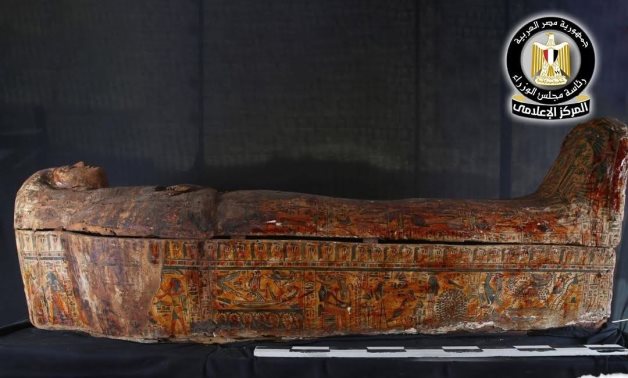
The Egyptian archaeological mission, a joint effort between the Supreme Council of Antiquities and the Zahi Hawass Foundation for Archaeology and Heritage, has uncovered a cache of colorful coffins containing mummies, along with a collection of rare papyri dating back to the Third Intermediate Period. The discovery was made during excavation work in the southwestern corner of the courtyard of the Tomb of Seneb in the Qurna area on the West Bank of Luxor.
The cache dates to the Third Intermediate Period (Dynasties 21–25) and is notable for the presence of mummies still preserved inside their coffins.
The mission is currently working to solve the mystery surrounding the cache and identify its owners, especially since most of the coffins bear functional titles rather than personal names. The most common title found is “Singer of Amun” or “Chantress of Amun,” opening new avenues for studying the class of temple singers and chanters during that era.
Eight papyri were discovered inside a large pottery vessel. Some of them still carry their original clay seals. The papyri vary in size and are considered an invaluable source of information, with the world awaiting their findings once restoration and translation work are completed.
Excavations also revealed a rectangular chamber carved into the rock that served as a funerary storage room. Inside, archaeologists found 22 brightly painted wooden coffins arranged in several layers. The layout reflects a striking level of organization, as the ancient Egyptians maximized space by stacking the coffins in 10 horizontal rows and separating the lids from the coffins to increase the chamber’s capacity.
Ancient Coffins and Rare Papyri Discovered in New Archaeological Find in Luxor
The Egyptian archaeological mission, a joint effort between the Supreme Council of Antiquities and the Zahi Hawass Foundation for Archaeology and Heritage, has uncovered a cache of colorful coffins containing mummies, along with a collection of rare papyri dating back to the Third Intermediate Period. The discovery was made during excavation work in the southwestern corner of the courtyard of the Tomb of Seneb in the Qurna area on the West Bank of Luxor.
The cache dates to the Third Intermediate Period (Dynasties 21–25) and is notable for the preservation of mummies inside their coffins.
The mission is currently working to solve the mystery surrounding the cache and identify its owners, especially since most of the coffins bear functional titles rather than personal names. The most common title found is “Singer of Amun” or “Chantress of Amun,” opening new avenues for studying the class of temple singers and chanters during that era.
Excavations also revealed a rectangular chamber carved into the rock that served as a funerary storage room. Inside, archaeologists found 22 brightly painted wooden coffins arranged in several layers. The layout reflects a striking level of organization, as the ancient Egyptians maximized space by stacking the coffins in 10 horizontal rows and separating the lids from the coffins to increase the chamber’s capacity.








Comments
Leave a Comment