The joint Egyptian–Italian archaeological mission, formed by the Supreme Council of Antiquities and the University of Padua in Italy, has uncovered several industrial workshops dating back to the Late Period and the early Ptolemaic era, in addition to part of a Roman cemetery featuring diverse burial practices. The discoveries were made during the mission’s work at the Kom El-Ahmar and Kom Wasit sites in Beheira Governorate.
Dr. Mohamed Ismail Khaled, Secretary-General of the Supreme Council of Antiquities, stressed the significance of this archaeological discovery, noting its important role in deepening understanding of daily life and human activity in the western Nile Delta and the inland areas surrounding the city of Alexandria.
He explained that these discoveries represent a major scientific addition to the study of settlement patterns, funerary practices, and industrial activities in the western Delta. They also provide new insights into regional communication networks from the Late Period through the Roman era and into the early Islamic period.
For his part, Prof. Mohamed Abdel-Badei, Head of the Egyptian Antiquities Sector, stated that the discovered industrial workshops consist of a large building divided into no fewer than six rooms, two of which were dedicated to fish processing. The mission uncovered approximately 9,700 fish bones, indicating extensive activity related to the production of salted fish during that period.
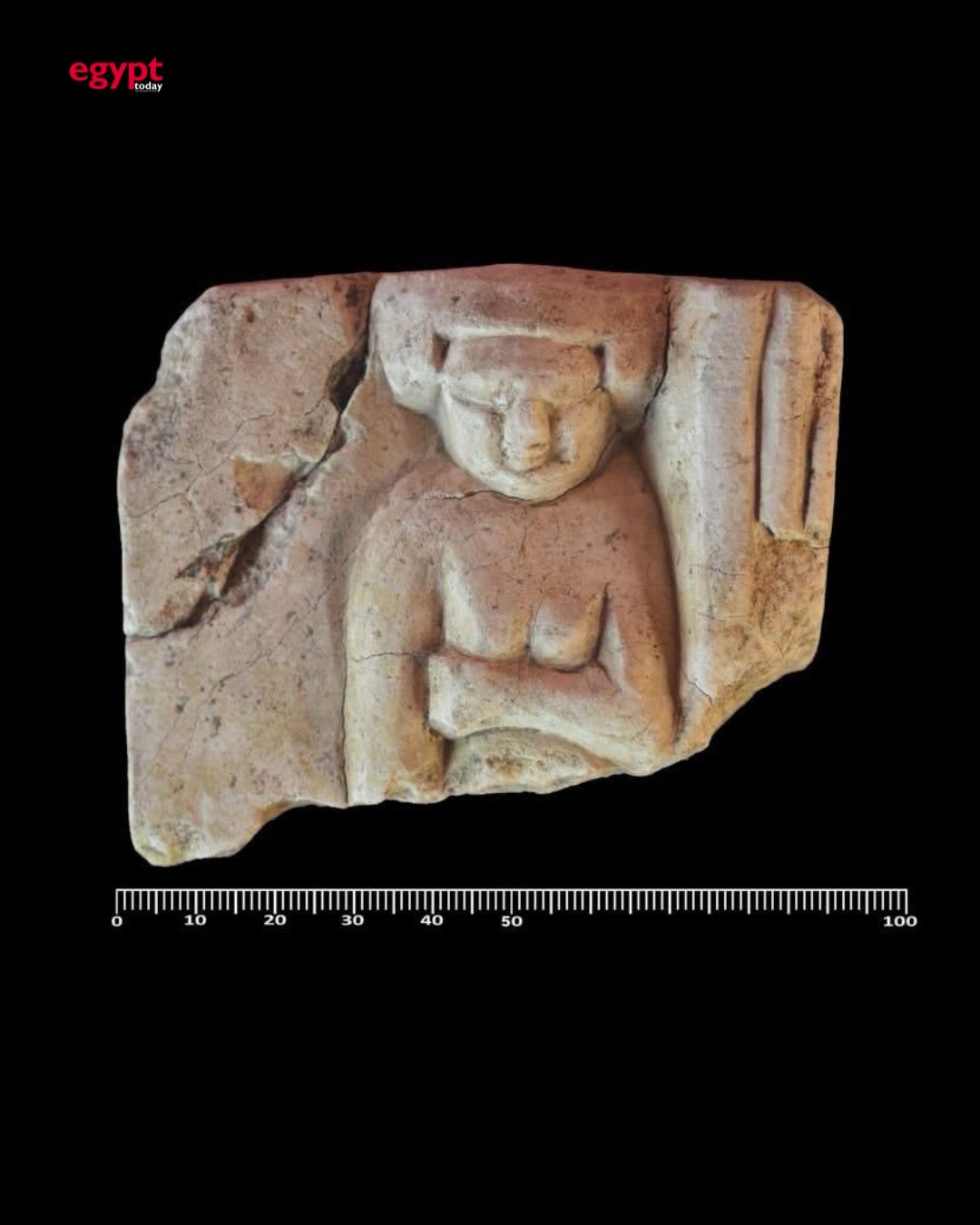
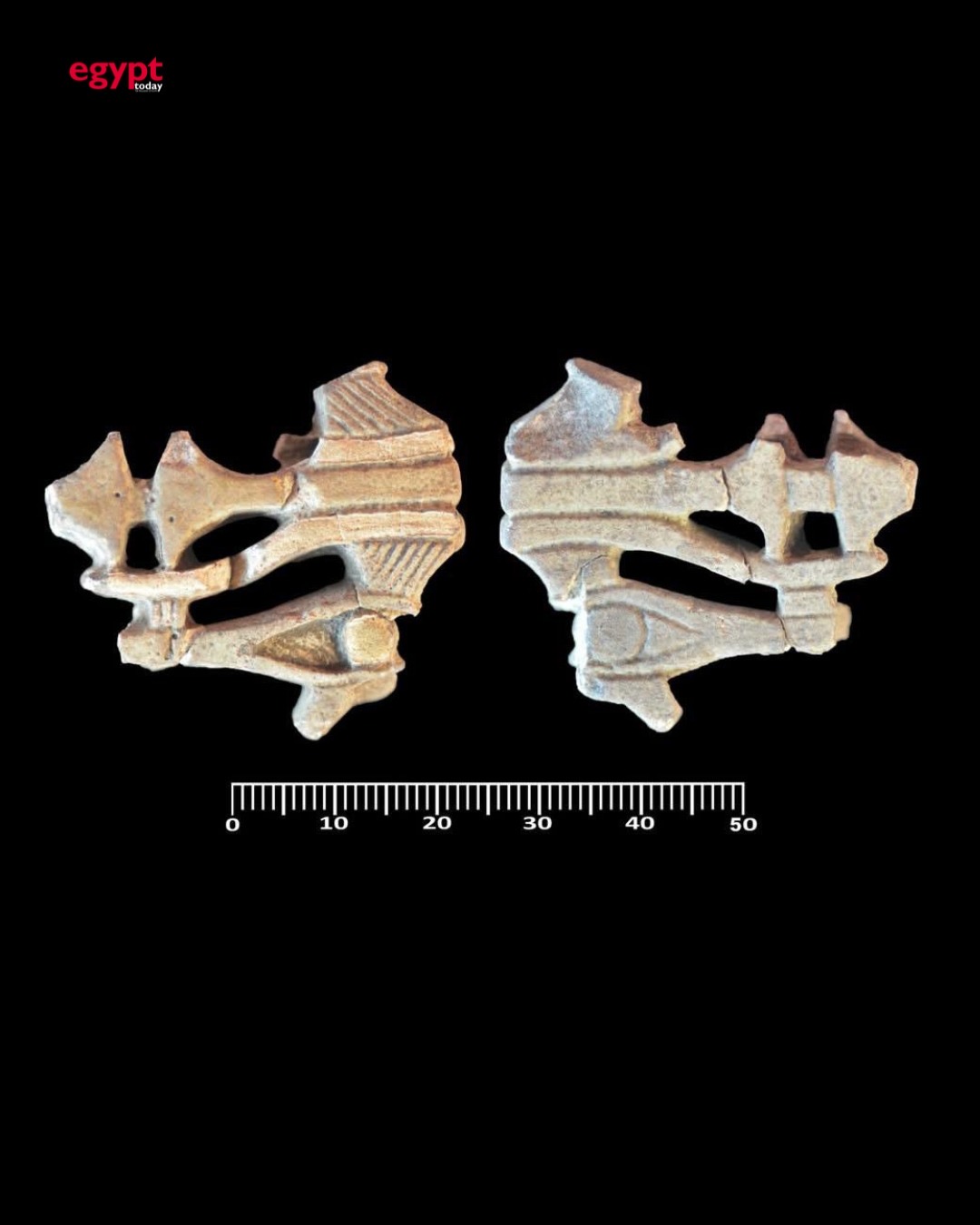
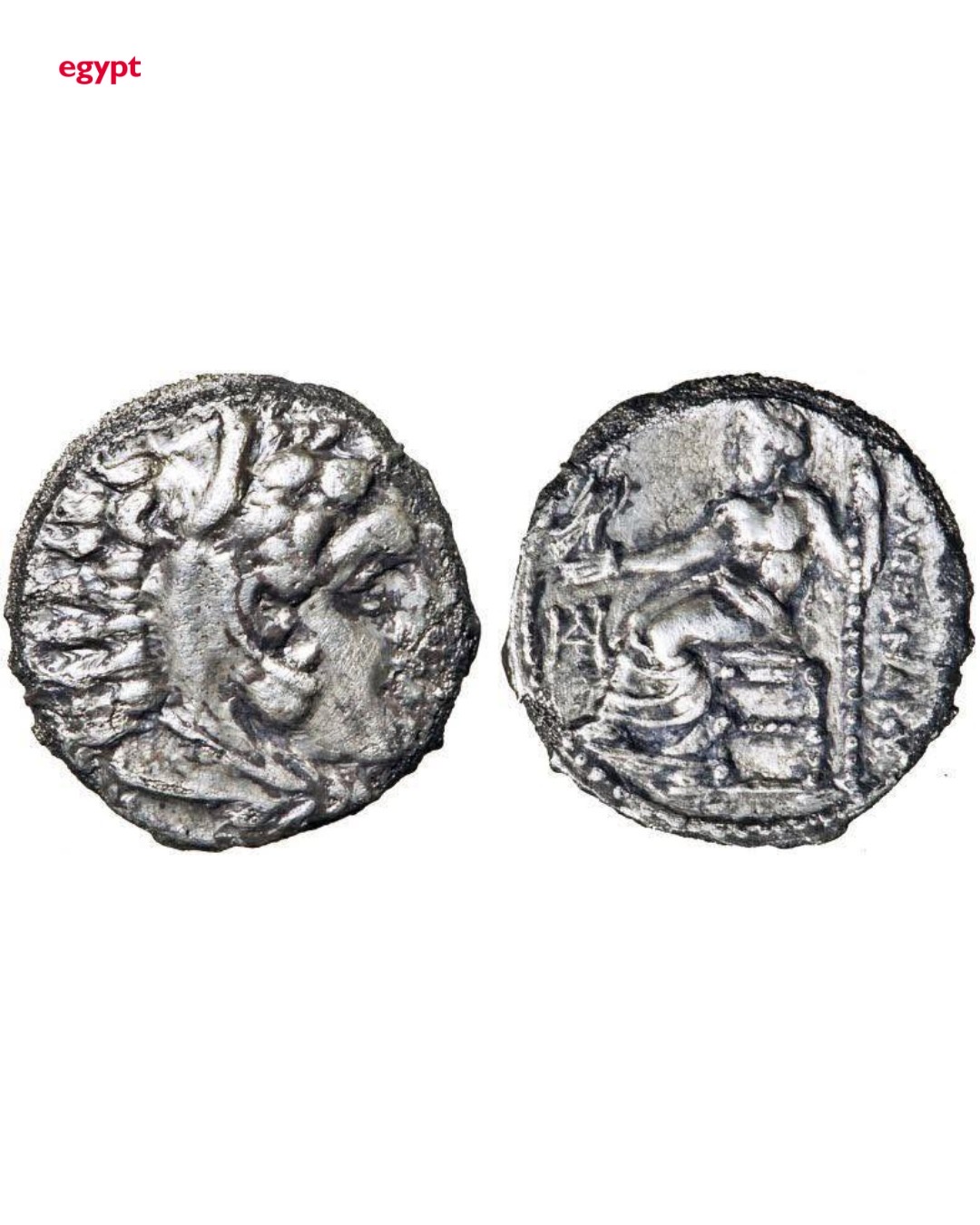
He added that the remaining rooms were most likely used for the production of metal and stone tools and faience amulets. Several unfinished limestone figurines were found, along with other objects at various stages of manufacture. The discovery also included imported amphorae and fragments of Greek pottery, dating the activity of these workshops to the 5th century BC.
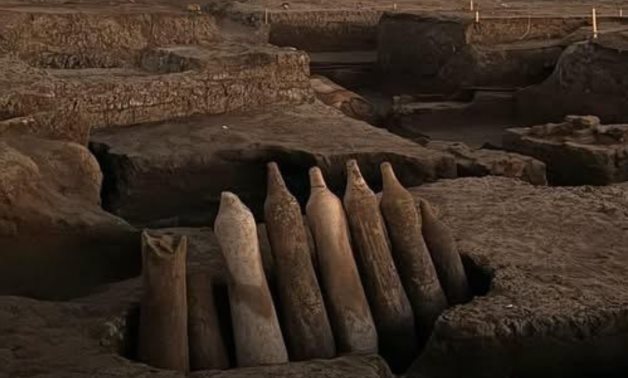
Excavations also revealed part of a Roman cemetery containing several burials in three main types: direct inhumation in the ground, burials inside pottery coffins, and child burials placed inside large amphorae.
Dr. Cristina Mondin, head of the mission from the University of Padua, explained that the team is currently conducting several bio-archaeological studies on the uncovered skeletal remains to determine diet, age, sex, and health conditions of the individuals buried at the site. The remains belong to 23 individuals, including males and females, children, adolescents, and adults.
She added that preliminary results indicate these individuals lived under relatively good living conditions, with no clear evidence of serious diseases or exposure to violence.
The mission also succeeded in uncovering dozens of complete amphorae, as well as a pair of gold earrings that once belonged to a young girl. These artifacts have been transferred to the Egyptian Museum in Cairo for further study and necessary conservation work.








Comments
Leave a Comment