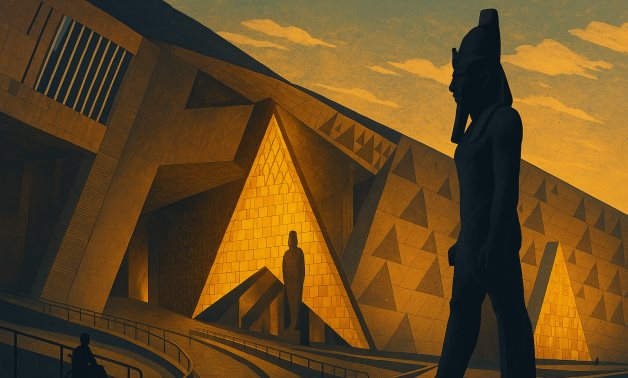
GEM sets a new standard for inclusion—barrier-free design, tactile exhibits, and mobility support for all visitors — Photo Illustrated by Egypt Today




CAIRO - 5 NOVEMBER 2025: The Grand Egyptian Museum (GEM) marks a new chapter in museum accessibility, designed to provide a barrier-free, inclusive experience for visitors of all abilities.
From its architectural layout to its visitor services, every aspect of the museum reflects an effort to make Egypt’s cultural heritage open to everyone.
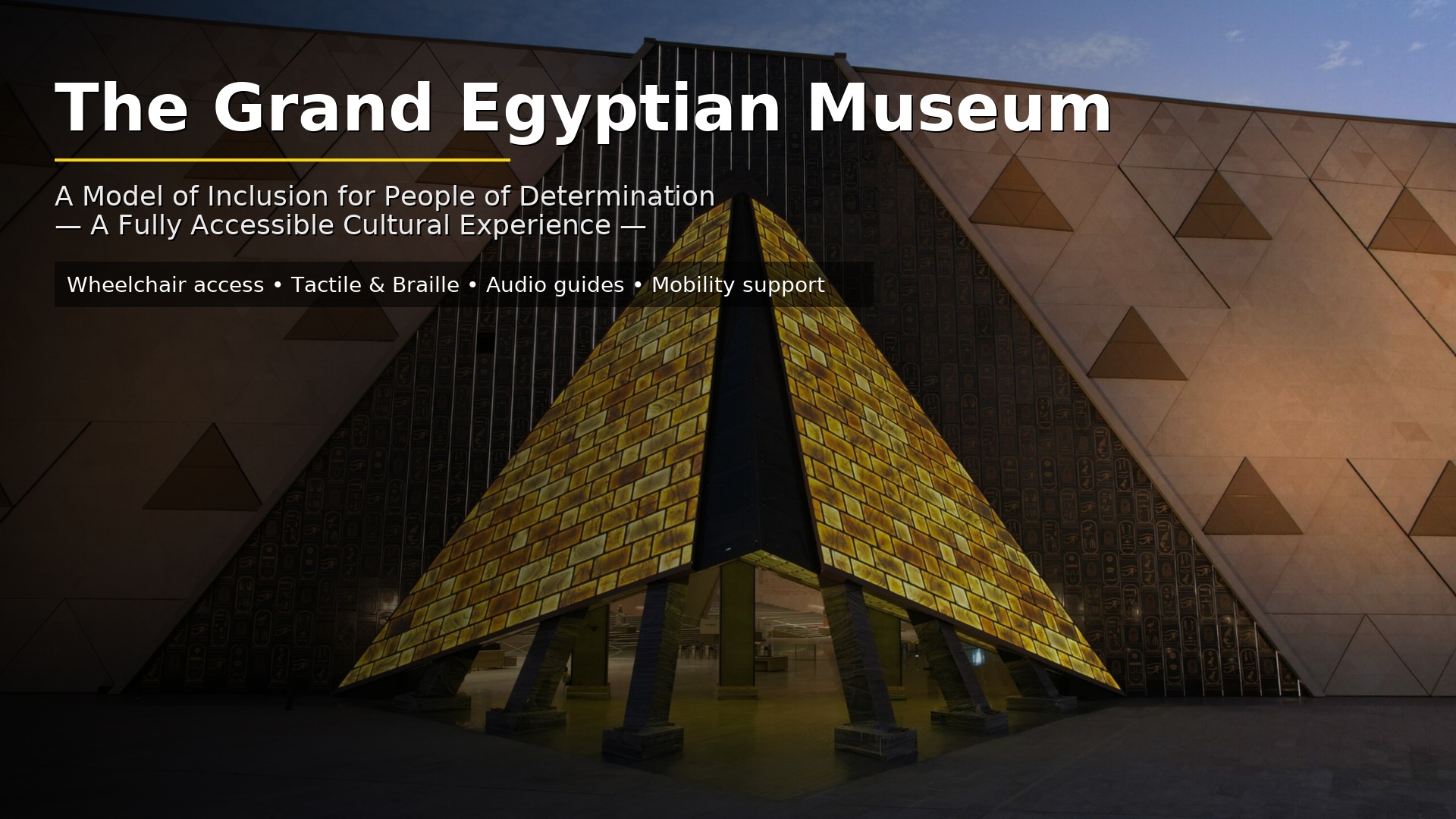

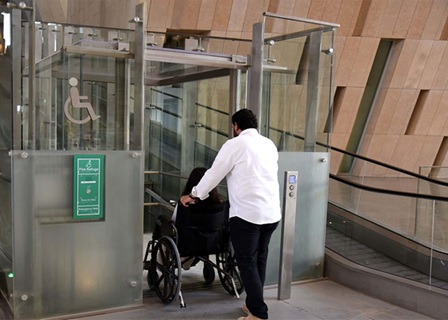
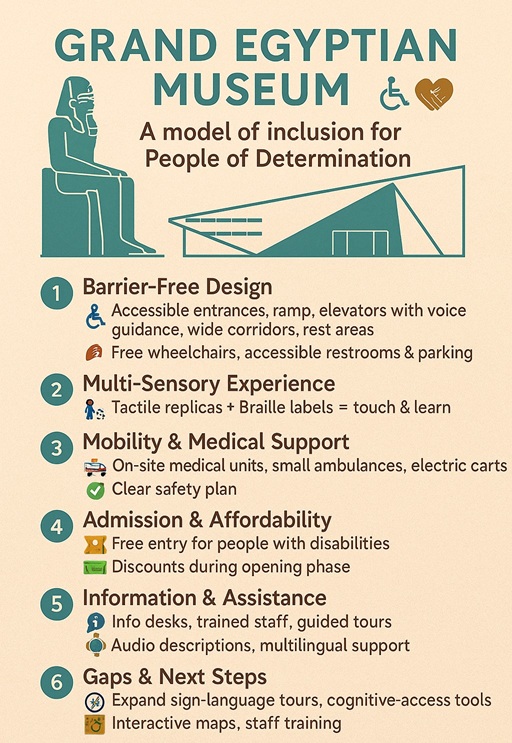
At the heart of the GEM’s approach is a “barrier-free” design. The museum features accessible entrances, ramps, elevators with voice guidance, wide corridors, and rest areas to ensure a smooth and safe visit for people with physical disabilities.
Wheelchairs are available free of charge at the main entrance, and accessible restrooms and parking spaces are strategically located throughout the complex.

The museum also prioritizes tactile and sensory engagement for visitors who are blind or have visual impairments.
There are tactile replicas accompanied by Braille inscriptions, enabling visitors to explore the shapes and dimensions of selected artifacts through touch.
Studies on accessibility in Egyptian museums have highlighted this as a milestone toward transforming passive observation into a more interactive and inclusive experience.
.jpeg "WhatsApp Image 2025-11-05 at 7.44.46 PM(1)")
Given the vast scale of the museum complex, officials have introduced an internal mobility and safety plan that includes on-site medical units, small ambulances, and electric golf carts to transport visitors with limited mobility.
These measures not only ensure visitor safety but also enhance comfort for people of determination during their visit.
.jpeg "WhatsApp Image 2025-11-05 at 7.44.46 PM(2)")
.jpeg "WhatsApp Image 2025-11-05 at 7.44.46 PM(3)")
During its opening phase, the museum announced a series of exemptions and discounts for specific visitor groups.
Among these are free entry privileges for people with disabilities. This approach ensures that cultural and historical experiences remain financially accessible to all segments of society.
.jpeg "WhatsApp Image 2025-11-05 at 7.44.46 PM(4)")
The GEM provides multiple information desks where visitors can communicate their individual needs upon arrival.
This allows staff to offer additional support, such as guided tours, personalized assistance, or audio descriptions in various languages. Official ticketing and visiting hours are also clearly listed online, helping visitors plan their experience and request special accommodations in advance.
.jpeg "WhatsApp Image 2025-11-05 at 7.44.46 PM(5)")
While much progress has been made, some aspects still require further development.
Official sources have yet to specify whether all galleries provide full sign-language translation or dedicated guided tours for visitors with hearing, cognitive, or intellectual disabilities.
Expanding staff training programs, improving interpretive materials, and implementing digital accessibility tools such as interactive floor maps would further enhance the inclusivity of the visitor experience.
.jpeg "WhatsApp Image 2025-11-05 at 7.44.46 PM(6)")
The inclusive design of the Grand Egyptian Museum reflects a broader national commitment to empowering people of determination across all public sectors.
Coordination among Egypt’s ministries of tourism, health, and transport demonstrates that accessibility is no longer a slogan but a concrete policy goal.
.jpeg "WhatsApp Image 2025-11-05 at 7.44.46 PM(7)")
The GEM thus stands not only as a monument to ancient civilization but also as a symbol of modern inclusivity — a museum for all Egyptians and for the world.
Through such initiatives, Egypt reaffirms its commitment to integrating people of determination in cultural, educational, and social life — a step forward toward a more just and inclusive society.

Be Social




Comments
Leave a Comment