At a time when domestic violence is often tackled in TV dramas through clichéd tropes, Fat El Maad boldly takes a different route — raw, thoughtful, and strikingly human. Rather than presenting violence as a plot device, the show delves deep into its emotional and psychological roots, spotlighting flawed, multi-dimensional characters without oversimplification.
Authentic Performances That Hit Home
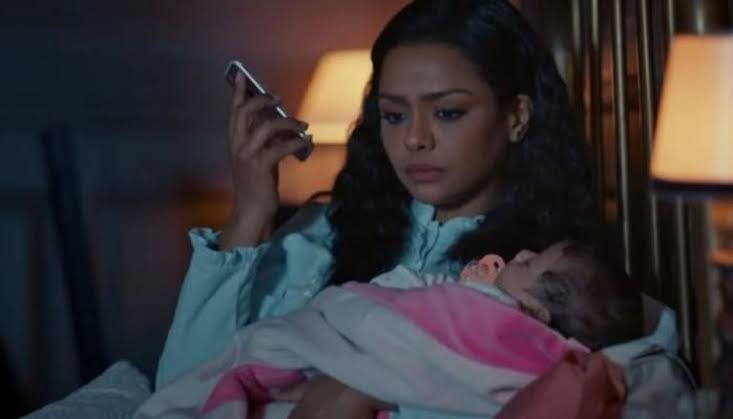
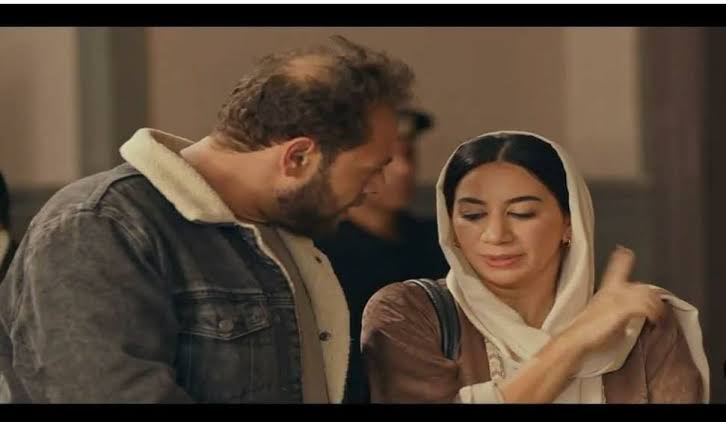
• Asmaa Aboul Yazid delivers one of her most mature performances to date. Her portrayal of a battered woman is deeply moving — quiet yet powerful, internalized yet expressive, far from the usual helpless victim stereotype.
• Ahmed Magdy impresses with a layered performance as the husband — shifting seamlessly between tenderness and control. He captures the complexity of a man torn between love and toxic dominance, steering clear of flat villainy.
• Ahmed Safwat shines in a composed, empathetic role. His character subtly exposes truths the protagonist isn’t ready to face, offering a mirror rather than a solution.
• Mahmoud El Bezawy, ever-reliable, grounds the story with his commanding presence, portraying a patriarchal figure with depth and restraint.
• Mohamed Alaa Rizk and Fadwa Abed add rich emotional layers, portraying characters who are relatable, emotionally reactive, and molded by life’s contradictions. Rizk, in particular, excels in a role that walks the line between ambition and moral compromise — a man who believes the end justifies the means.
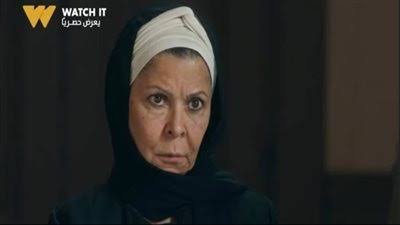
• Salwa Mohamed Ali, with her trademark grace, brings understated warmth and depth to her role, proving again how powerful simplicity can be on screen.
No Saints, No Villains — Just Humans
One of the show’s most compelling strengths is its refusal to paint characters in black and white. No one is fully heroic or irredeemably evil — even victims make mistakes, and abusers are shaped by their traumas. This moral grayness lends the series authenticity, echoing the messiness of real life where motivations are layered and outcomes aren’t always clear-cut.
A Bold Script and Sensitive Direction
The script is carefully written, avoiding both melodrama and gratuitous shock. It builds tension organically, with a slow-burning narrative arc that feels earned, not forced.
Saad Hendawy's direction is visually restrained but emotionally charged. Tight frames, muted color palettes, and naturalistic settings enhance the sense of suffocation and inner turmoil. Every visual choice aligns with the characters’ evolution — nothing feels random or aesthetic for the sake of it.
Cinematography That Reflects Emotion
The cinematography leans on natural lighting and a clever play of light and shadow, creating voyeuristic realism. Camera angles often mimic a hidden observer’s gaze, drawing the viewer into the characters' intimate, often painful worlds.
A Refreshing Take on Domestic Violence
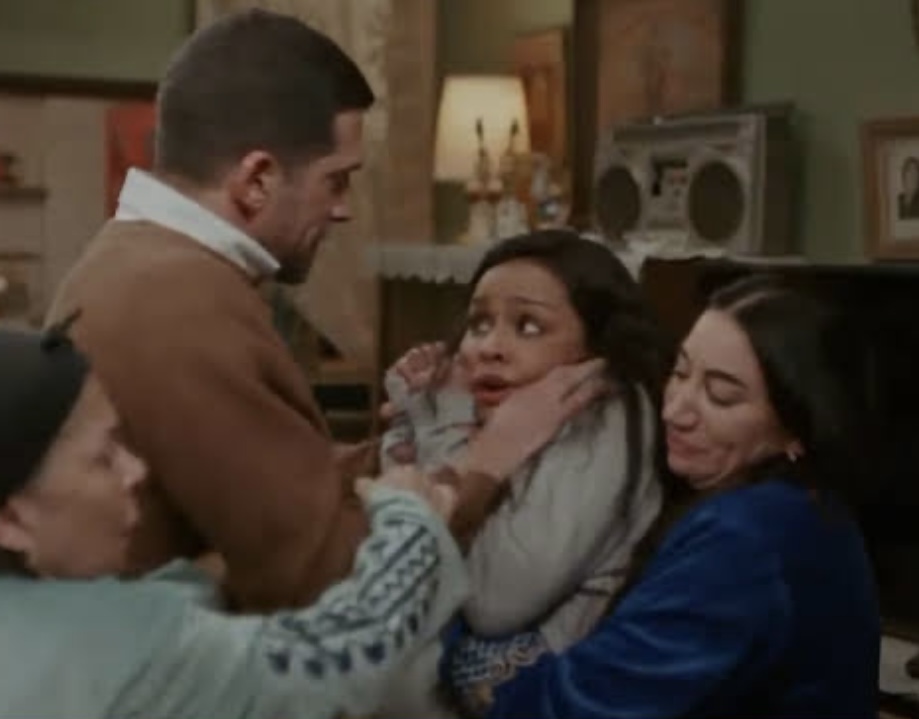
What sets Fat El Maad apart is its human lens on domestic violence. The victim is not portrayed as perpetually broken, nor is the abuser a caricatured monster. There are no scenes of endless screaming or begging — instead, we witness a gradual emotional unraveling and awakening. Healing, here, is a process — not a moment.
Final Word
Fat El Maad isn’t just another drama about domestic abuse — it’s a deeply human story about fragile relationships, shifting identities, and the duality of love and harm. It doesn’t preach or pity. It invites us to reflect — and that’s precisely what makes it one of the most intelligent and mature dramas of the year.










Comments
Leave a Comment