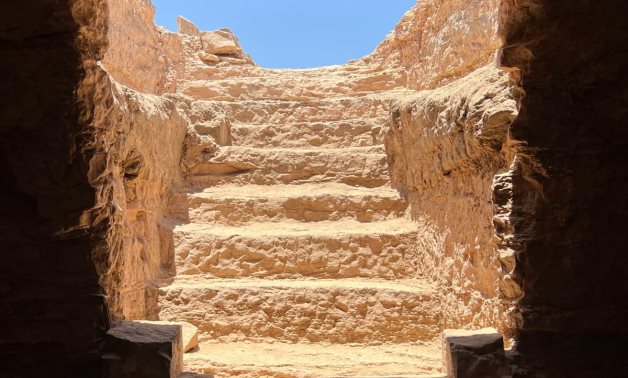
Rock-cut tombs dating back to the Greek and Roman eras were unearthed in Aswan- press photo




CAIRO – 5 July 2025: The joint Egyptian-Italian archaeological mission unearthed several rock-cut tombs dating back to the Greek and Roman eras, containing hieroglyphic inscriptions in a good state of preservation, announced the Egyptian Ministry of Antiquities and Tourism on Saturday.
The joint mission from the Egyptian Supreme Council of Antiquities and the University of Milan discovered the tombs in the cemetery surrounding the Aga Khan Mausoleum on the West Bank of Aswan.
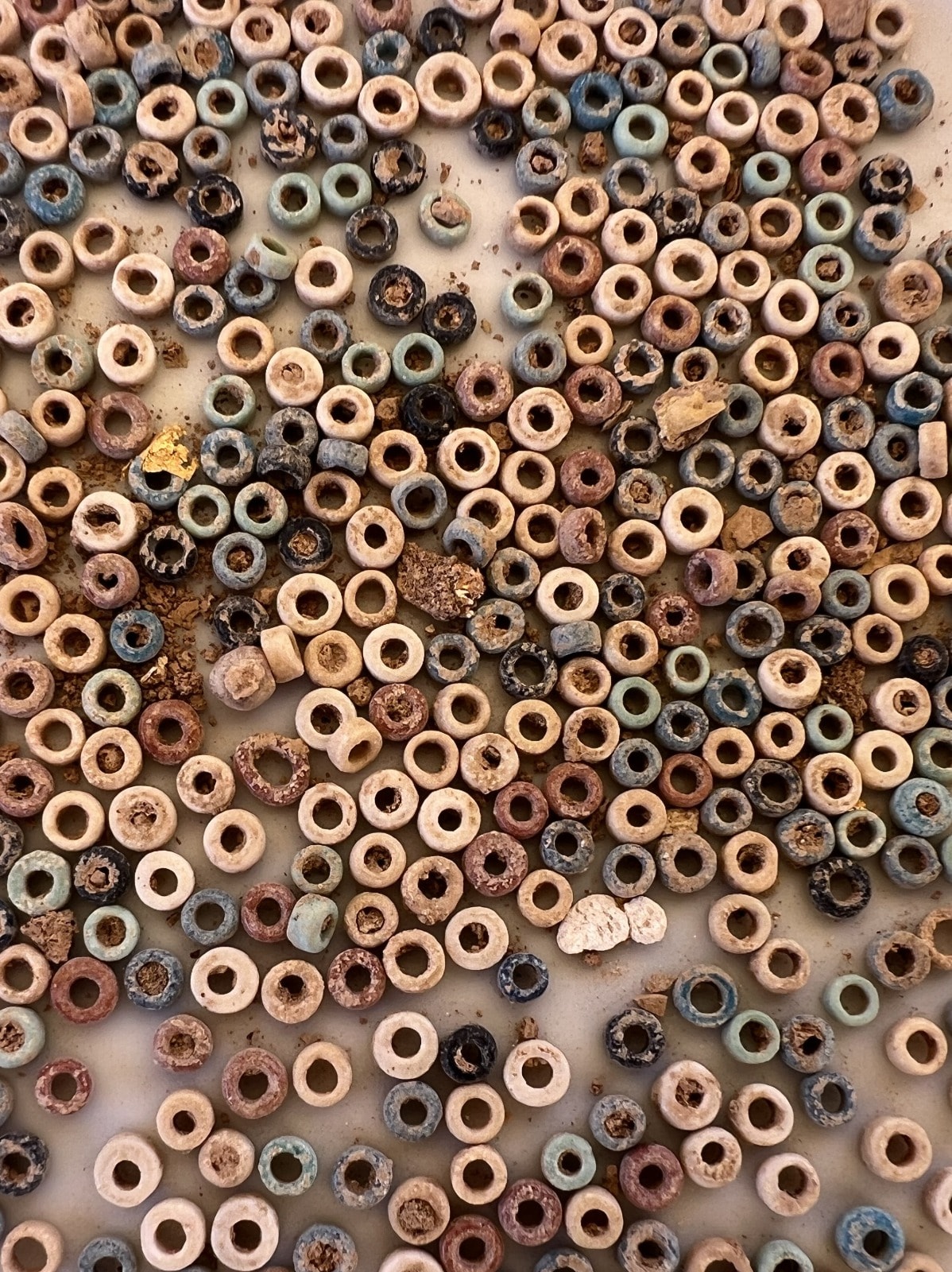
Tomb No. 38
Excavation work during this year's excavation season also resulted in the discovery of Tomb No. (38), one of the most prominent tombs discovered to date in terms of design and structural condition.
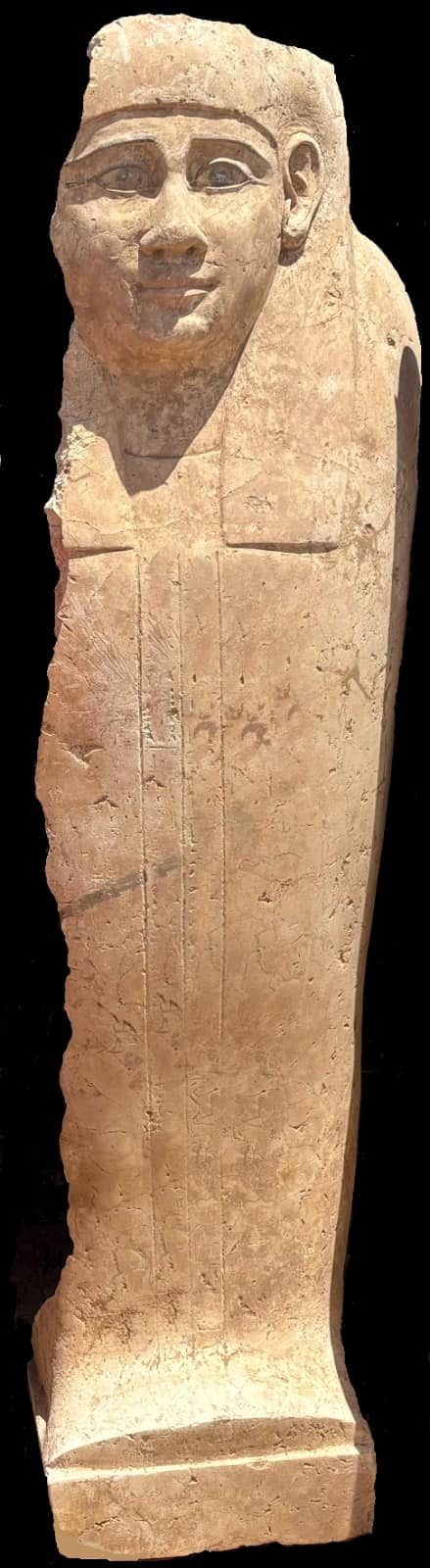
Located more than two meters below ground, Tomb No. 38 is accessed via a stone staircase comprising nine steps flanked by mud-brick terraces once used for funerary offerings. At its center lies a limestone sarcophagus, approximately two meters tall, positioned on a rock platform carved directly into the mountain.
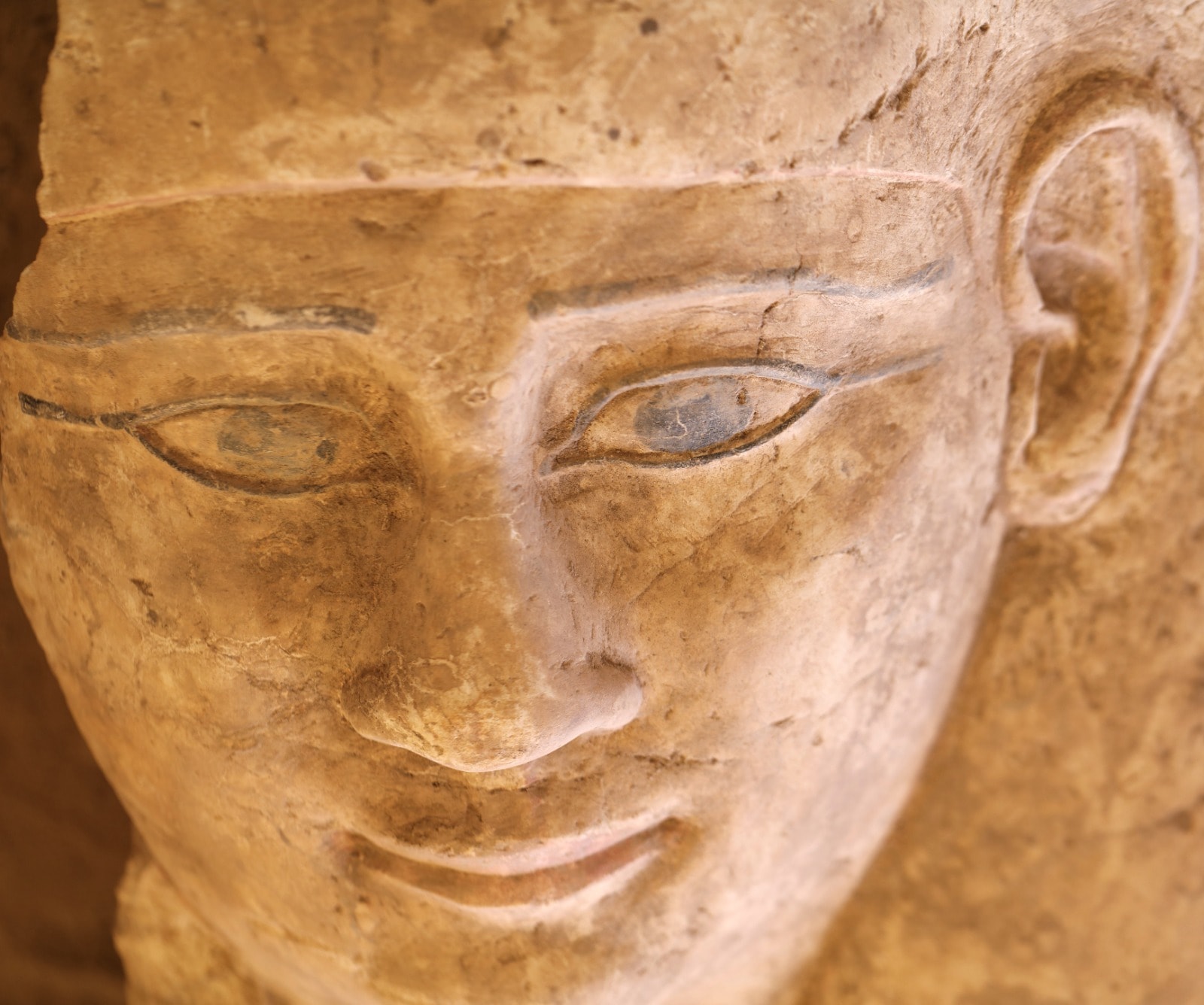
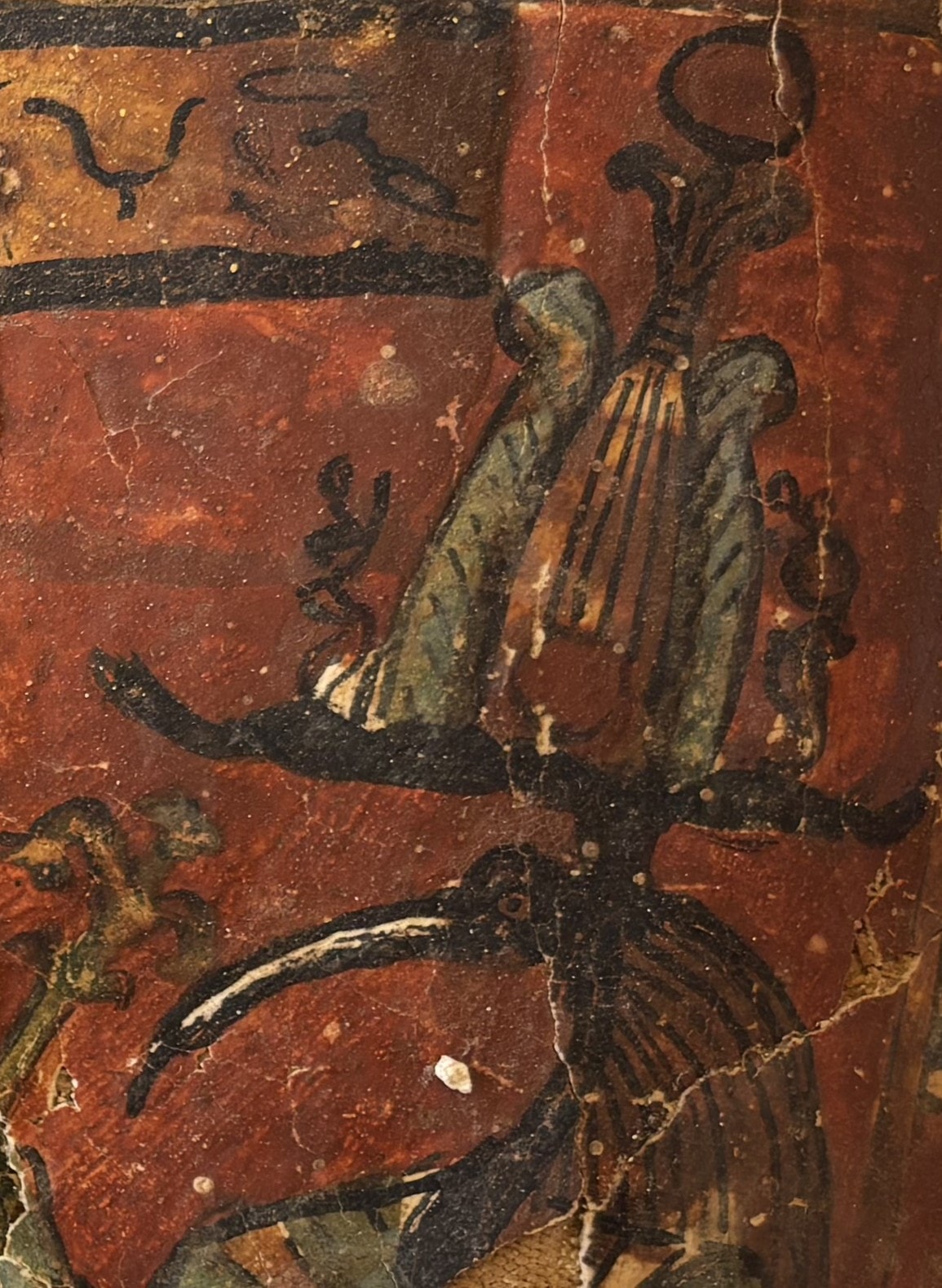
The sarcophagus features a lid shaped like a human face, adorned with a wig and intricate decorative elements. Two columns of hieroglyphic inscriptions inside the tomb contain prayers to local deities of the Aswan region, as well as the name of the tomb’s owner, Ca-Mesio, a high-ranking official. The texts also mention his family members. Several mummies were found inside the tomb, including those of children.
Significance of the Discovery
Minister of Tourism and Antiquities, Sherif Fathy, hailed the discovery as a “qualitative addition” to the Aswan Governorate, underlining the cultural richness and diversity of ancient Egyptian civilization. He also highlighted the importance of international scientific collaboration, noting that these discoveries offer new insights into Aswan's societal structure during the Ptolemaic and Roman eras, when the region was a vital cultural center in southern Egypt.
Mohamed Ismail Khaled, Secretary-General of the Supreme Council of Antiquities, emphasized that the find confirms the area’s long-standing use as a burial ground for various social classes. The upper plateau hosted tombs of the elite, while the slopes accommodated middle-class burials.
The inscriptions and artifacts offer valuable material for Egyptologists, especially in the study of funerary customs and religious symbolism during the later periods of ancient Egypt. The mummies—particularly those of children—will undergo CT scans and biological analyses this fall to help determine their identities, lifestyles, and causes of death.
Broader Findings
Professor Mohamed Abdel Badie, Head of the Egyptian Antiquities Sector, noted that the plateau at the hilltop houses massive underground tombs from the Ptolemaic era, originally intended for elite families and later reused during the Roman period.
In previous excavation seasons, the mission uncovered several funerary mastabas and tombs carved into the rocks of the nearby Sidi Othman Mountains, reflecting a unique architectural adaptation to the natural terrain.
This season’s discoveries are part of an ongoing project at the site, which has been active since 2019. The mission is co-directed by Dr. Patrizia Piacentini, Professor of Egyptology at the University of Milan, and Professor Fahmy El-Amin, Director General of Aswan Antiquities. Together, their findings near the Aga Khan Mausoleum continue to confirm the site's archaeological significance and its central role in the historical landscape of Aswan.

Be Social




Comments
Leave a Comment