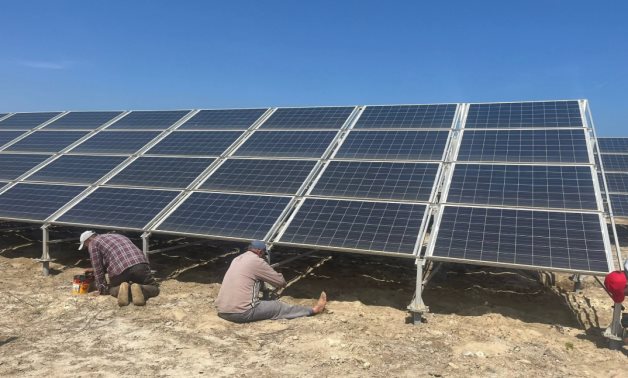
CAIRO - 7 June 2026: Egypt will connect the second phase of the Obelisk solar power project in Nagaa Hammadi to the national electricity grid within the coming weeks, adding 500 megawatts of renewable energy capacity as part of efforts to expand clean energy generation and strengthen power supplies during the summer.
The announcement came during a meeting between Minister of Electricity and Renewable Energy Mahmoud Esmat and executives from Norwegian renewable energy company Scatec to review progress on the company's ongoing projects in Egypt.
The second phase follows the commissioning of the first 500-megawatt phase of the Obelisk project and its associated 200-megawatt-hour battery storage facility, both of which were connected to the national grid earlier this year.
According to the Ministry of Electricity, Scatec is currently developing a portfolio of renewable energy projects in Egypt with a combined capacity of 3,100 megawatts, including solar and wind power plants, in addition to battery storage projects totaling 4,000 megawatt-hours across the Red Sea, Qena, Minya, and Alexandria governorates.
The meeting also reviewed progress on a 900-megawatt wind project in Ras Shukeir, which is expected to be connected to the grid in 2027, as well as a 1,700-megawatt solar power project in Minya.
Officials discussed plans to establish additional energy storage facilities in Minya, Alexandria, and Qena as Egypt seeks to enhance grid flexibility and increase its reliance on renewable energy sources.
The talks further covered the implementation status of Scatec’s battery manufacturing plant, which is expected to be completed next year with total investments estimated at $1.8 billion.
Esmat emphasized the importance of accelerating project execution and adhering to planned timelines, noting that expanding renewable energy capacity remains a key pillar of Egypt’s strategy to reduce dependence on conventional fuels, improve energy security, and support long-term economic development.








Comments
Leave a Comment