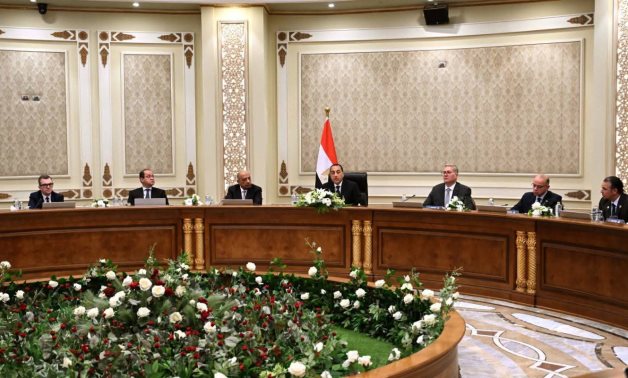




CAIRO – 31 March 2026: International energy companies signaled plans to expand their investments in Egypt’s oil and gas sector in the period ahead, reflecting sustained confidence in the country’s energy landscape and long-term growth potential.
The commitments were highlighted during a high-level roundtable chaired by Prime Minister Mostafa Madbouly on the second day of the Egypt Energy Show (EGYPES 2026), where participants stressed the need to fast-track strategic projects through more efficient regulatory and financial mechanisms.
The meeting convened senior leaders from leading global energy companies and international financial institutions to discuss avenues for deeper collaboration, while also reviewing the potential effects of regional geopolitical tensions on energy operations and investment flows.
According to an official Cabinet statement, discussions examined how the ongoing regional conflict is influencing Egypt’s economic outlook and outlined the domestic measures adopted to contain its impact. Egypt reiterated its commitment to easing tensions, encouraging dialogue, and supporting diplomatic solutions aimed at maintaining regional and global stability.
Participants also explored ways to leverage Egypt’s advanced gas infrastructure, including liquefaction facilities and transmission networks, to further strengthen its position as a regional hub for energy trade in the Eastern Mediterranean.
Deliberations centered on three main pillars spanning the full investment lifecycle. The first addressed global investment dynamics and evolving financing conditions, with particular attention to sovereign risk and the role of fiscal credibility in shaping capital allocation decisions.
The second pillar focused on enhancing predictability within the investment environment by reinforcing regulatory frameworks, ensuring contract enforcement, and maintaining timely payments to partners, steps seen as critical to lowering execution risks and speeding up project delivery.
The third pillar examined practical measures to accelerate capital deployment by streamlining the transition of projects from negotiation to implementation, while expanding the use of financing tools such as blended finance and export credit facilities.
Participants also discussed broader strategies to mitigate investment risks in the energy sector, including increased reliance on innovative financing structures and stronger collaboration with international financial institutions to support project execution.
The roundtable underscored the importance of continuous engagement with private-sector stakeholders and global institutions, alongside developing mechanisms that shorten the timeline between feasibility studies and final investment decisions, in line with Egypt’s energy sector targets.
Prime Minister Madbouly reaffirmed the government’s commitment to strengthening cooperation with companies operating in the petroleum and gas sectors, particularly amid global uncertainties that call for closer coordination and expanded partnerships.
He also emphasized Egypt’s ongoing efforts to enhance the investment climate by offering competitive financial frameworks and renewing partnership agreements with foreign investors at an early stage, providing long-term clarity for corporate planning—especially in high-cost exploration zones such as Southwest Egypt, the Red Sea, and the Western Mediterranean.
At the same time, the Prime Minister stressed that Egypt remains firmly committed to implementing its comprehensive economic reform agenda despite regional and geopolitical challenges, leveraging major infrastructure assets such as gas and electricity transmission networks, liquefaction plants in Idku and Damietta, and modern port facilities that reinforce the country’s role as a regional energy hub serving both the Eastern Mediterranean and Africa.
The government also reviewed progress in expanding renewable energy capacity, advancing the green hydrogen strategy, and strengthening regional electricity interconnection projects, highlighting the central role of foreign investors in driving these initiatives.
For his part, Karim Badawi, Minister of Petroleum and Mineral Resources, said the roundtable aims to attract additional capital inflows and reinforce investor confidence by aligning Egypt’s economic policies with the operational needs of international energy companies, ensuring the country remains a competitive destination for energy investment.
He further noted ongoing efforts to maintain discipline in settling partner obligations—an essential factor in sustaining investor trust, while continuing to promote transparency and operational efficiency within the investment environment.
Meanwhile, Ahmed Rostom, Minister of Planning and Economic Development, stressed the importance of safeguarding macroeconomic stability and maintaining exchange rate flexibility as the reform program continues, measures he said are critical to strengthening investor confidence and enhancing the economy’s ability to attract new capital.
Rostom also highlighted the need for stronger alignment between policy announcements and implementation mechanisms, alongside simplifying regulatory procedures to reduce project execution timelines.

Be Social



Comments
Leave a Comment