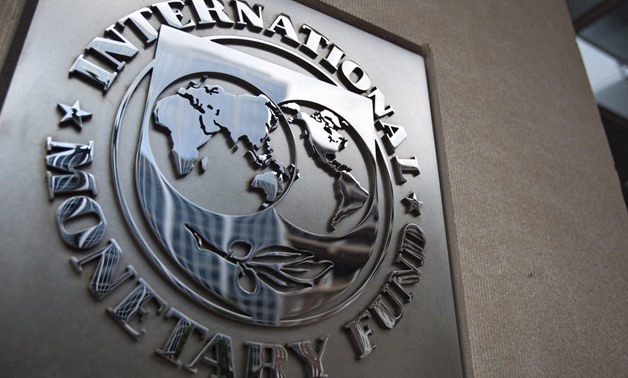




CAIRO - 26 February 2026: The Executive Board of the International Monetary Fund (IMF) has approved the combined fifth and sixth reviews of Egypt’s economic reform program under the Extended Fund Facility, along with the first review under the Resilience and Sustainability Facility, paving the way for the immediate disbursement of around $2.3 billion.
The approval enables Egypt to access nearly $2 billion under the Extended Fund Facility and $273 million through the Resilience and Sustainability Facility, bringing total disbursements under the two programs to about $5.21 billion. Egypt’s Extended Fund Facility arrangement, initially approved in December 2022, has also been extended until December 15, 2026.
The International Monetary Fund noted that Egypt’s macroeconomic indicators have continued to improve, supported by stabilization measures and policy reforms. Real gross domestic product growth reached 4.4 percent in fiscal year 2024/2025, while inflation eased significantly to 11.9 percent in January 2026, reflecting tight monetary and fiscal policies.
Egypt’s current account deficit narrowed to 4.2 percent of gross domestic product, backed by strong remittance inflows and higher tourism revenues. The Fund also pointed to improving market confidence, citing successful international bond issuances, rising foreign direct investment, and record foreign participation in Egypt’s local debt market. As a result, gross international reserves increased to around $59.2 billion by December 2025, up from $54.9 billion a year earlier.
On the fiscal front, the Fund said performance improved, supported by higher tax revenues and slower public investment. However, it noted that the primary surplus target was missed due to delays in the state divestment program.
Progress under the Resilience and Sustainability Facility remains on track, with Egypt completing key reform measures, including issuing a renewable energy implementation roadmap and directing banks to monitor and report climate-related financial risks.
Despite these gains, the Fund stressed that structural reform momentum remains uneven, particularly in reducing the state’s role in the economy and advancing asset divestment. High public debt and sizable financing needs continue to pose challenges to medium-term growth.
Looking ahead, the International Monetary Fund underscored the importance of accelerating reforms to support private sector-led, inclusive, and sustainable growth, with policy priorities including maintaining exchange rate flexibility, strengthening domestic revenue mobilization, advancing debt management reforms, and enhancing social protection programs.
In a statement following the Board’s decision, Deputy Managing Director Nigel Clarke said Egypt’s stabilization policies were delivering positive results, citing improved growth, declining inflation, and a stronger external position. However, he emphasized that deeper reforms, particularly in divestment, debt management, and banking sector governance, remain essential to boost investor confidence and unlock higher growth.
The Fund also highlighted ongoing risks, including regional geopolitical tensions, volatile global financial conditions, and delays in structural reforms, while noting that a faster recovery in Suez Canal activity, higher hydrocarbon production, and major Gulf-backed investments could provide upside potential.

Be Social



Comments
Leave a Comment