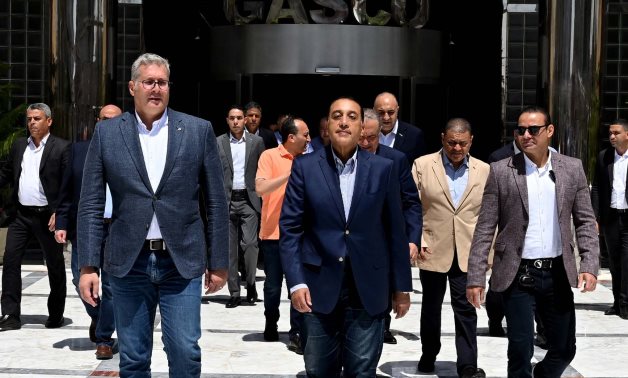




Cairo – June 22, 2025: As part of an official tour on Saturday, Prime Minister Mostafa Madbouly visited the National Control Center overseeing Egypt’s natural gas network to assess the country’s preparedness for increased energy consumption during the summer months.
The facility, managed by GASCO, plays a crucial role in distributing gas nationwide and safeguarding supply to key sectors such as electricity generation, manufacturing, and residential use.
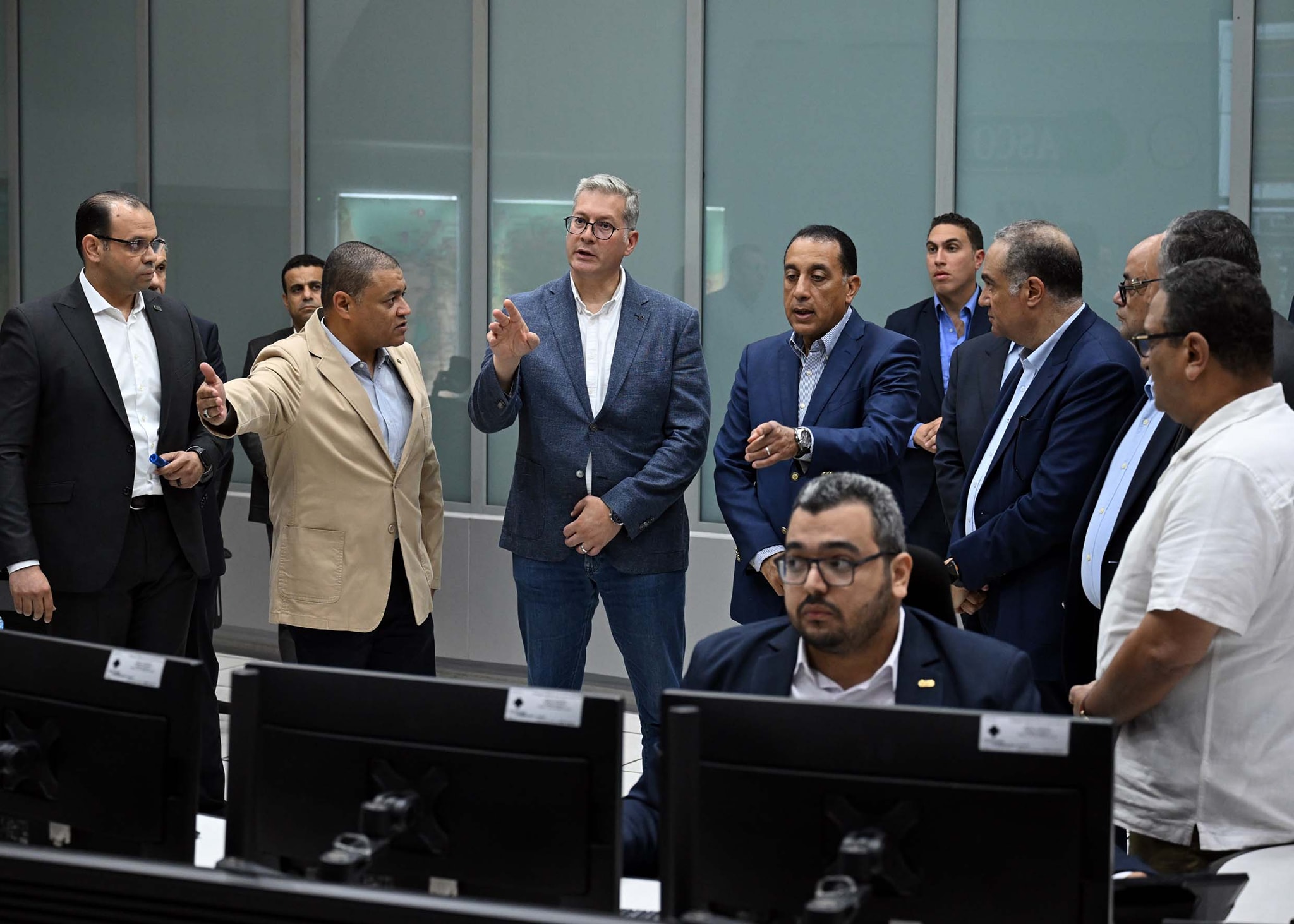
During the visit, the Prime Minister received detailed briefings on the center’s operational capabilities, including its contingency systems and its ability to manage inflows of imported liquefied natural gas (LNG).
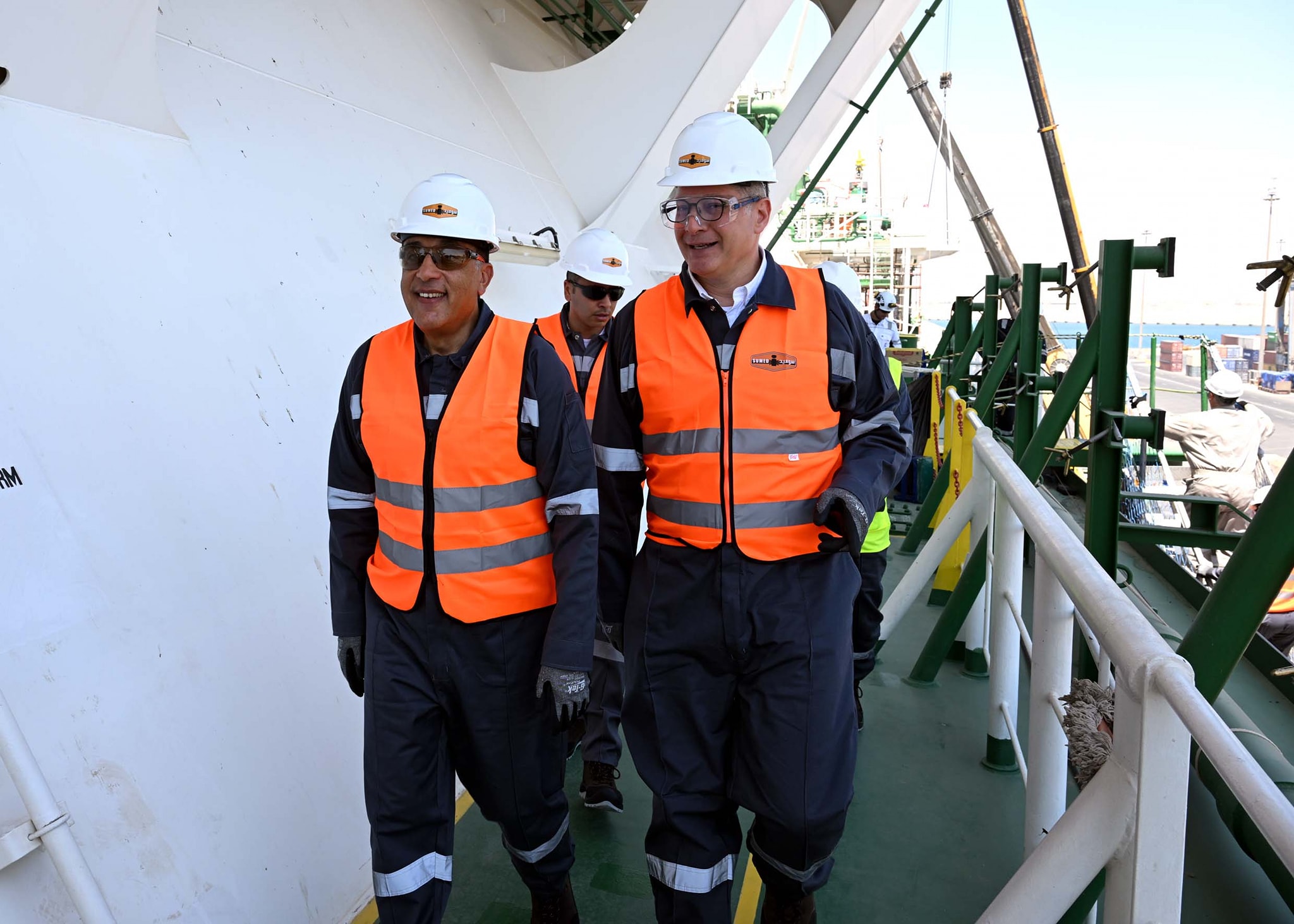
In a related stop, Madbouly also toured the Energos Eskimo, a newly docked floating regasification vessel at Ain Sokhna Port, which is set to contribute to expanding the nation’s LNG import infrastructure.
The vessel is part of a government plan to deploy four such ships to enhance LNG import capacity.
The Energos Eskimo, the second vessel of its kind after Hoegh Galleon entered service last year, will be transferred to a specially prepared berth at SUMED Port in Sokhna, capable of handling 750 million cubic feet of gas per day.
Madbouly described the project as a reflection of Egypt’s commitment to energy security and its proactive approach to managing seasonal demand peaks.
Petroleum and Mineral Resources Minister Karim Badawi, who accompanied the Prime Minister, confirmed that a second berth at SUMED has been equipped with loading arms and pipelines connecting to the national gas network.
Technical preparations for the vessel’s integration into the system are expected to conclude within days. Badawi emphasized that the flexibility and resilience of the gas grid allow the state to adapt quickly to supply challenges and maintain reliable service.
At the control center, officials from GASCO and EGAS highlighted the use of real-time monitoring systems and simulation software to manage national gas flows and anticipate consumption spikes. The network also coordinates continuously with the national electricity grid to ensure stable power generation, particularly during high-demand summer months.
Madbouly praised the strategic approach taken by the petroleum sector, noting its ability to respond swiftly to crises such as the COVID-19 pandemic and global supply disruptions caused by the war in Ukraine.
He also welcomed updates on the state’s broader LNG strategy, which includes two additional FSRUs currently being prepared at Ain Sokhna and Sonker terminals, and a fourth vessel scheduled to arrive in Damietta this August.
Together, the four vessels will bring an additional 2.25 billion cubic feet of gas per day into Egypt’s supply mix. Badawi noted that these imports were secured through strategic negotiations with countries such as Jordan and Germany, leveraging Egypt’s diplomatic relationships to ensure energy stability amid global market volatility.
The petroleum minister concluded the tour by reaffirming that, alongside LNG imports, the government continues to invest in boosting domestic production.
Exploration and development efforts are being ramped up, and recent measures to attract investment and stabilize partner payments are expected to gradually reverse natural production declines.

Be Social



Comments
Leave a Comment