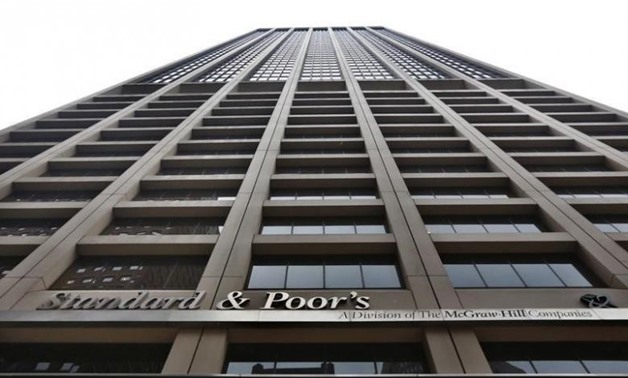




Cairo – April 6, 2025: In March 2025, Egypt's non-oil private sector saw its first contraction of the year, reflecting a notable decline in business conditions.
The contraction came after a period of improvement in January and February, where business conditions had been more positive.
According to the latest data from the S&P Global Egypt Purchasing Managers’ Index (PMI), a decrease in demand led companies to reduce their activities and purchasing.
The headline PMI dropped from 50.1 in February to 49.2 in March, indicating a slight downturn in the sector’s performance.
According to David Owen, Senior Economist at S&P Global Market Intelligence, a key factor in this downturn was weak demand, which resulted in companies cutting back on both business activities and purchases.
“Part of this softening was linked to a weaker US dollar, which continues to be influenced by evolving US trade policies. This uncertainty has dampened business expectations,” Owen explained.
As a result, firms showed a subdued outlook, with output expectations for the future reaching one of the lowest levels in the survey’s history.
Despite the overall downturn, the construction industry showed resilience, with robust growth in output and new work, contrasting with the more subdued performance of manufacturing and wholesale & retail sectors.
However, the overall market environment remained challenging, as companies across various industries reported weaker demand from both local and international sources.
The PMI survey also indicated a notable easing of inflationary pressures, with input costs rising only marginally and at the slowest pace in nearly five years.
Purchase prices increased modestly, with a stabilization of the Egyptian pound against the US dollar helping to alleviate some inflationary pressures.
As a result, businesses raised their selling prices only slightly, continuing the trend of the first quarter of 2025, which saw the lowest average selling price increases in four years.
One significant outcome of the weakened demand was a reduction in workforce numbers, with companies trimming headcounts for the first time in months. However, the decline in staffing levels and input purchases was slight, suggesting a cautious approach to scaling back operations.

Be Social




Comments
Leave a Comment